Articles
-
Articles

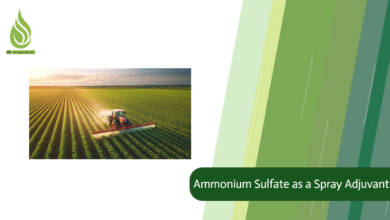
Ammonium Sulfate as a Spray Adjuvant: When Is It Used?
Ammonium sulfate is best known as a fertilizer, but many applicators also keep a bag of it near the sprayer. The reason is simple. When it is added to the spray tank, it can work as a water conditioner and help certain herbicides perform the way they should. This guide explains how an ammonium sulfate spray adjuvant works, when it helps, how it is added, and, just as important, when it should stay out of the tank. If you are…
Read More -
Articles
How to Combine Ammonium Sulfate With Other Fertilizers
Ammonium sulfate is a nitrogen and sulfur fertilizer that can play an important role in crop nutrition. However, these two nutrients are not always enough to meet a crop’s full requirements. Depending on the soil, crop type, and growth stage, farmers may also need phosphorus, potassium, or other essential nutrients. Choosing the right ammonium sulfate fertilizer combinations can help meet these requirements without applying unnecessary fertilizer. For example, ammonium sulfate can supply nitrogen and sulfur, while diammonium phosphate (DAP) provides…
Read More -
Articles
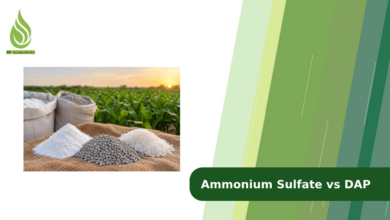
Ammonium Sulfate vs DAP: Which Fertilizer Fits Your Nutrient Needs?
The ammonium sulfate vs DAP question usually starts the same way: “I need nitrogen, but should I get it with sulfur or with phosphorus?” Both products supply ammonium nitrogen, but they are built for different jobs. Ammonium sulfate is an N-S fertilizer. Diammonium phosphate (DAP) is an N-P fertilizer. This guide compares ammonium sulfate vs DAP by nutrient content, soil conditions, crop situations, and application. It also explains when using ammonium sulfate and DAP together makes sense. Ammonium Sulfate vs…
Read More -
Articles
Ammonium Sulfate MSDS/SDS: What Buyers Should Check
Before you buy or import a fertilizer, you usually ask about price, grade, and packaging. You should also ask for the ammonium sulfate MSDS. This document shows how the product is identified, what hazards it carries, how to store it, and what to do in an emergency. Customs teams, warehouse managers, and compliance staff often ask for it first. Too many buyers simply file the document away. A better habit is to read it and compare it with your purchase…
Read More -
Articles
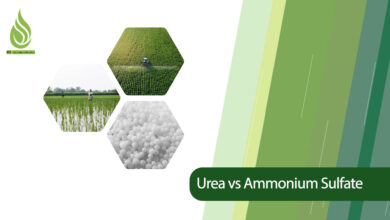
What Are the Differences Between Urea and Ammonium Sulfate? (Applicable Comparison)
Choosing between ammonium sulfate and urea is not just a matter of comparing nitrogen percentages. Both fertilizers supply nitrogen, but they differ in sulfur content, nitrogen concentration, soil effects, and the risk of nitrogen loss after application. The right choice depends on your crop’s nutrient requirements, soil conditions, application method, and fertilizer budget. Urea contains about 46% nitrogen, making it a concentrated nitrogen source. Standard ammonium sulfate fertilizer contains approximately 21% nitrogen and 24% sulfur, so it can supply two…
Read More -
Articles
Comparing Ammonium Sulfate and Ammonium Nitrate Fertilizer (Application &Timing)
Choosing between ammonium sulfate and ammonium nitrate depends on more than nitrogen content. Both are nitrogen fertilizers, but they differ in nutrient concentration, nitrogen forms, sulfur supply, and effects on soil acidity. Understanding these differences helps farmers select a fertilizer that matches their crops’ needs and soil conditions. Ammonium sulfate typically contains 21% nitrogen and 24% sulfur, while ammonium nitrate commonly contains 33–34% nitrogen and no sulfur. This makes ammonium sulfate useful when crops need both nitrogen and sulfur, whereas…
Read More -
Articles
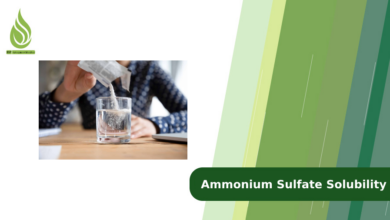
Ammonium Sulfate Solubility: What Buyers and Farmers Should Know
When buyers and farmers ask about ammonium sulfate solubility, they usually want to know two things: how much dissolves, and how fast. Both matter. They affect how you prepare a solution, how you plan fertigation, and how you judge a product’s physical form before you buy it. This guide explains ammonium sulfate solubility in plain terms, shows how temperature changes it, and covers what affects dissolution in real-world use. Is Ammonium Sulfate Soluble in Water? Yes. Ammonium sulfate is highly…
Read More -
Articles
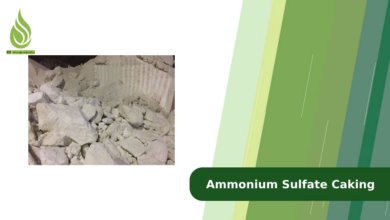
Ammonium Sulfate Caking: Causes, Prevention, and Storage
Few things frustrate a fertilizer buyer more than opening a bag and finding a solid block. Ammonium sulfate caking is one of the most common handling complaints for this product, and it can affect farmers, distributors, and importers alike. The good news is that most caking is predictable. If you understand what causes it, you can reduce the risk at every step, from loading to the warehouse. This guide explains why ammonium sulfate cakes, how moisture and humidity play a…
Read More -
Articles
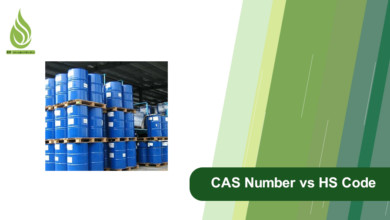
CAS Number vs HS Code: What Is the Difference for Chemical Buyers?
If you buy chemicals internationally, you have seen two strings of numbers on almost every quote, invoice, and safety document. One looks like 7783-20-2. The other looks like 3102.21. They are easy to mix up, and mixing them up can delay a shipment. Understanding CAS number and HS code comes down to one idea. A CAS number tells you what the chemical is. An HS code tells customs how to classify the goods for trade. This guide explains both, shows…
Read More -
Articles
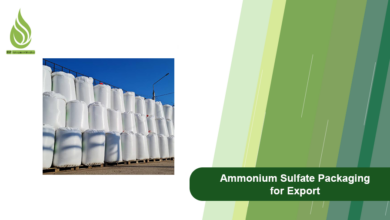
Ammonium Sulfate Packaging for Export: Bags, Jumbo Bags, and Bulk Vessel Shipment Explained
Ammonium sulfate can be prepared for international shipment in different formats depending on order volume, handling equipment, destination port, and buyer requirements. Getting ammonium sulfate packaging export right matters because bagged product works well for distribution and smaller commercial orders, while jumbo bags and bulk vessel shipment suit larger buyers moving hundreds or thousands of metric tons at a time. Here’s how each format actually works. Why Does Ammonium Sulfate Packaging Matter for Export? Ammonium sulfate packaging export decisions aren’t…
Read More -
Articles
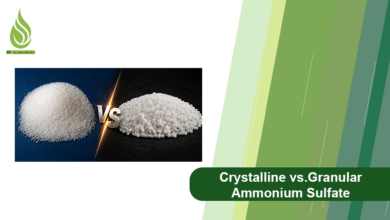
Crystalline vs Granular Ammonium Sulfate: Which One Should You Import?
If you need maximum nitrogen-sulfur concentration for direct application or industrial use, choose crystalline ammonium sulfate. If you’re blending fertilizer or spreading with mechanical equipment, granular ammonium sulfate is the better fit. Everything else below explains why and how to make the right call for your operation. Crystalline vs Granular Ammonium Sulfate Before you place an order, it helps to see both grades side by side. This table covers the specifications that actually matter for import decisions: nutrient content, handling,…
Read More -
Articles
How to Read an Ammonium Sulfate COA: A Buyer’s Guide
An ammonium sulfate COA, or Certificate of Analysis, is a batch-specific quality document showing the laboratory test results of a specific production run against agreed specification limits. For a buyer, it’s the fastest way to verify nitrogen content, sulfur content, moisture, and purity before committing to a bulk order; without it, you’re buying on trust alone. What Is an Ammonium Sulfate COA? An ammonium sulfate COA is a document issued by the manufacturer’s quality control laboratory that reports the actual…
Read More