Articles
-
Articles

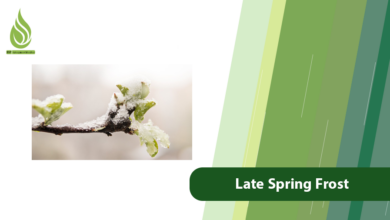
How to Prevent Late Spring Frost Damage in Your Orchard
Late spring frost is one of the most frustrating problems a fruit grower can face. Just when the weather begins to warm, buds start swelling, and you feel confident that winter is finally behind you, a sudden cold snap can sweep in and destroy an entire season’s work. Tender blossoms and newly set fruitlets, full of water and bursting with life, are extremely vulnerable—far more so than dormant winter trees. A single night of freezing temperatures can wipe out up…
Read More -
Articles
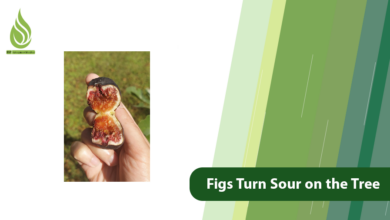
What Does It Mean When Figs Turn Sour on the Tree?
Before we dive into the causes, it helps to understand exactly what we mean by sour figs. In many cases, a fig that is in the final stages of ripening fails to accumulate sugar properly. Instead of becoming sweeter as it softens, the flesh begins to ferment internally. You might notice a small opening appearing at the blossom end, and inside, the pulp turns pinkish or takes on a water‑soaked look. The fruit becomes mushy, and a slimy pink or…
Read More -
Articles
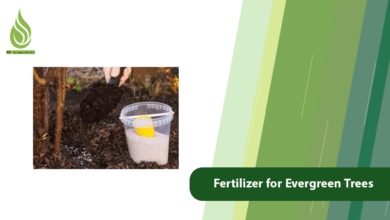
The Best Fertilizer for Evergreen Trees: Pine, Cypress, and More
Evergreen trees are the jewels of any landscape. Whether they line a grand avenue, anchor a backyard garden, or form a living privacy screen around a villa, these plants bring year‑round color and life to outdoor spaces. From towering pines to slender cypresses and dense boxwoods, evergreens can keep a garden looking fresh and vibrant even in the dead of winter. But if you’ve ever looked at your evergreens and noticed them turning yellow, thinning out, or looking sickly instead…
Read More -
Articles
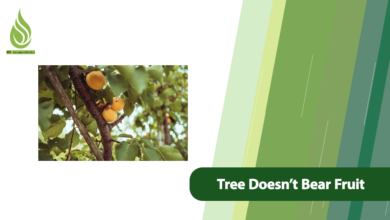
Fruit Tree Doesn’t Bear Fruit? Causes and Solutions
Few things are more disheartening for a gardener than tending to orchard trees for months or even years—watering, feeding, pruning—only to reach harvest time and find very little fruit, or none at all. Trees that look perfectly healthy and green yet remain barren are one of the most stubborn challenges in any fruit garden. Why does this happen? What makes a tree flower but never set fruit, or not flower at all? In this guide, we walk you through every…
Read More -
Articles
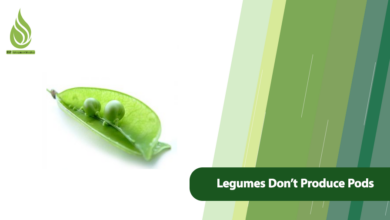
Why Legumes Flower But Don’t Produce Pods?
If you grow chickpeas, lentils, or beans, you’ve probably faced this frustrating scenario: the plants look lush and healthy, they burst into bloom, but then the flowers drop and no pods form. When legumes don’t produce pods, it’s more than a disappointment—it can slash your yield and eat into your profits. In this article, we’ll walk you through every major reason why legumes flower but fail to set pods, and we’ll share practical, field‑tested solutions that you can put to…
Read More -
Articles
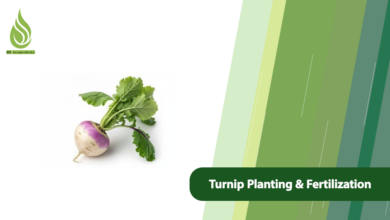
Turnip Planting and Fertilization Guide
Turnips are one of the most widely consumed root vegetables, grown in home gardens and commercial fields across many regions. Prized for their rapid growth, wide adaptability, and impressive nutritional profile, turnips offer both tasty roots and vitamin-rich leafy greens. Whether you’re planting a small backyard patch or managing several acres, understanding the fundamentals of turnip planting and fertilization is the key to a successful, high-quality harvest. In this comprehensive guide, we’ll walk through everything you need to know: the characteristics of…
Read More -
Articles
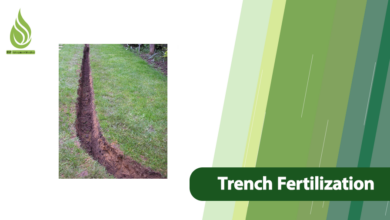
Trench Fertilization & Deep Feeding Orchards
Fruit tree nutrition is one of the most critical aspects of orchard management. Tree root systems are designed so that the majority of nutrient uptake happens in the middle soil layers, where the fine, actively absorbing roots are concentrated. That’s why choosing the right fertilization method has a direct impact on yield, fruit quality, and the tree’s ability to withstand stress. Trench fertilization is an advanced, efficient method for feeding trees. It places nutrients right where the active roots can access…
Read More -
Articles
Why Burning Crop Residues on Your Farm Is Damaging Your Soil?
In many traditional farming cultures, burning crop residues, setting fire to leaves, branches, and leftover plant material at the end of harvest, has been a routine act. It was widely believed that torching the fields cleaned up the land, killed pests, and enriched the soil with nutritious ash. But this idea couldn’t be further from the truth. Burning crop residues does nothing beneficial for your soil. In fact, it inflicts lasting damage on soil structure, destroys the microbial life your crops depend…
Read More -
Articles
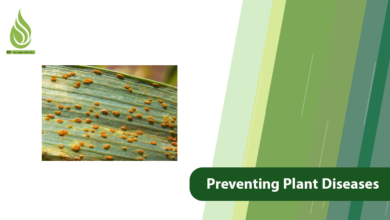
Preventing Plant Diseases: A Practical Guide for Farmers
Every grower knows the sinking feeling of walking through a field or orchard and spotting the first yellow leaf, the first dark spot, the first sign that something isn’t right. Many people treat plant diseases like unpredictable natural disasters, random strikes of bad luck. But the reality is far more hopeful: over 80 percent of plant diseases can be prevented before they ever take hold. The key isn’t faster treatment; it’s shifting your mindset from “curing disease” to preventing plant diseases altogether.…
Read More -
Articles
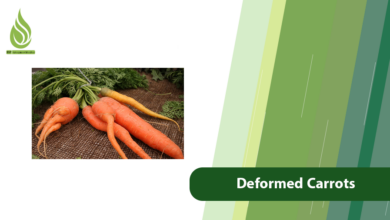
Deformed Carrots: Why They Fork, Twist, and How to Prevent It
Pulling up a crop of deformed carrots, roots that are forked, twisted, stubby, or covered in knobs—is frustrating for any grower. Not only do deformed carrots look unappealing, they also reduce your marketable yield, take extra time to clean and process, and can signal deeper problems in your soil or management. The good news is that deformed carrots are almost always a result of controllable factors. By understanding exactly what pushes a carrot to grow crooked or split, you can prevent the issue and harvest…
Read More -
Ammonium Sulfate vs. Potassium Sulfate for Soil Amendment
Every growing season, farmers face a critical decision: which fertilizer will deliver the best results for their soil, their crop, and their bottom line. Among the many options, two sulfate-based fertilizers stand out for their versatility and proven performance, ammonium sulfate and potassium sulfate. The debate of Ammonium Sulfate vs. Potassium Sulfate is not about one being universally better; it’s about understanding their completely different roles in the field. Both names share the word “sulfate,” and both supply essential sulfur, but they…
Read More -
Articles
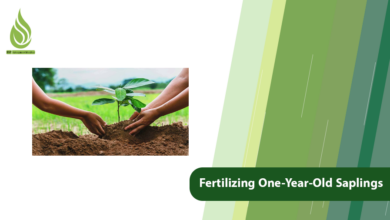
Fertilizing One-Year-Old Saplings: Guide for Giant, Healthy Growth
If you want your young tree to grow into a towering, productive specimen within just a few years, the most critical window of opportunity is the first twelve months after planting. Fertilizing one-year-old saplings correctly builds the deep, resilient root system and sturdy framework that will support decades of healthy growth. Neglect this phase, and the tree may struggle along; handle it with precision, and you will watch it transform into a giant. This guide will walk you through exactly why fertilizing one-year-old…
Read More