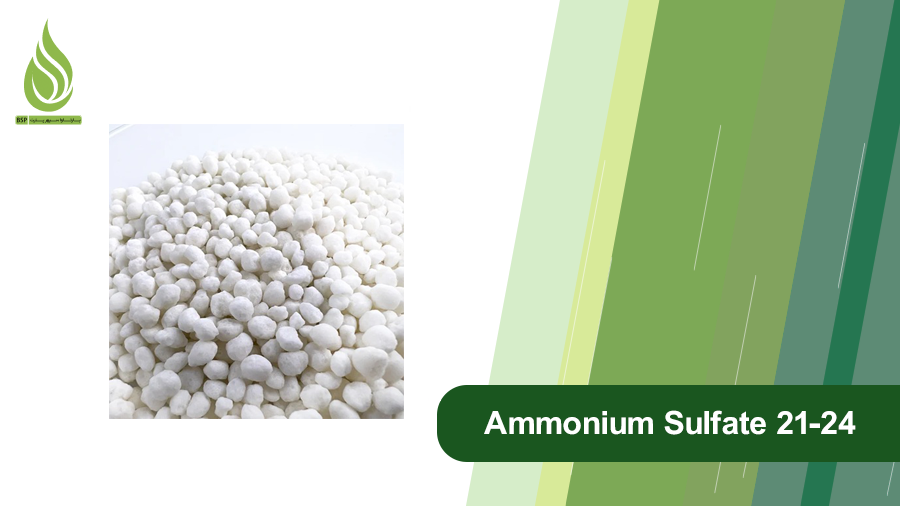
Ammonium Sulfate 21-24: What the Grade Means for Buyers
Ammonium sulfate 21-24 refers to a fertilizer’s guaranteed nutrient analysis: roughly 21% nitrogen and 24% sulfur by weight. It’s the standard nutrient notation used across the industry for fertilizer-grade ammonium sulfate, and it’s the number buyers should check against a supplier’s actual Certificate of Analysis before finalizing a bulk order; not just take from a quotation at face value.
What Does 21-24 Mean in Ammonium Sulfate?
The “21-24” you see on a supplier quotation, product listing, or fertilizer label is shorthand for the nutrient content guaranteed in that batch of ammonium sulfate: approximately 21% nitrogen and 24% sulfur. This is sometimes written more formally as 21-0-0-24S, following the standard N-P-K-S fertilizer labeling convention, where the four numbers represent nitrogen, phosphorus, potassium, and sulfur respectively. Since ammonium sulfate contains no phosphorus or potassium, those two positions read zero, leaving nitrogen and sulfur as the only active nutrients.
This is the standard fertilizer grade most buyers encounter when sourcing ammonium sulfate internationally, and it’s worth treating the numbers as a reference point rather than an assumption. Actual figures can vary slightly batch to batch and supplier to supplier, which is exactly why the specification on paper should always be checked against a batch-specific ammonium sulfate COA rather than taken purely from marketing material.
Why Are Nitrogen and Sulfur Important in Ammonium Sulfate?
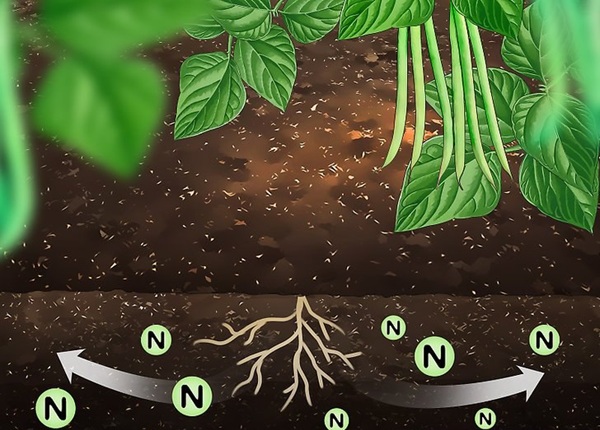
Nitrogen and sulfur are both essential macronutrients for plant growth, and ammonium sulfate happens to deliver a meaningful amount of both in a single, stable compound, which is part of why it’s remained a popular fertilizer choice for over a century.
Nitrogen drives vegetative growth, chlorophyll production, and overall plant vigor. In ammonium sulfate, nitrogen is present in the ammonium form, which behaves differently in soil than nitrate-based nitrogen sources; it’s less prone to leaching and tends to be taken up by crops more gradually, which some growers see as an advantage for sustained feeding over the growing season.
Sulfur, meanwhile, is often an overlooked nutrient in broader crop nutrition conversations, but it plays a direct role in protein synthesis, enzyme function, and chlorophyll formation. As modern fertilizer blends have shifted away from sulfur-containing inputs over recent decades, sulfur deficiency has become more common in many soils, which has actually increased demand for ammonium sulfate specifically, since it’s one of the few common fertilizers that delivers a substantial, reliable sulfur dose alongside nitrogen. This combination is exactly what makes the 21-24 nutrient analysis valuable: buyers get two macronutrients addressed in a single, well-understood input rather than needing to source and blend them separately.
How to Read an Ammonium Sulfate 21-24 Specification
When you see “ammonium sulfate 21-24” on a specification sheet or quotation, here’s how to interpret it correctly:
- The first number (21) is nitrogen content, expressed as a percentage of the total product weight, in ammonium form.
- The second number (24) is sulfur content, also expressed as a percentage of total product weight, in sulfate form.
- These are guaranteed minimums or typical values, not exact figures for every single ton; actual test results will show some natural variation batch to batch, which is why the specification is usually expressed as a minimum threshold rather than a fixed constant.
- The notation doesn’t tell you anything about physical form, packaging, or grade (crystalline vs. granular); it’s purely a nutrient content reference.
The important habit for any serious buyer is to never treat the “21-24” on a quotation as verified fact on its own. Ask the supplier for a current ammonium sulfate COA showing the actual tested nitrogen and sulfur results for the batch you’re being offered, and compare those figures against the specification you were quoted. A reputable supplier should be able to produce this documentation without hesitation.
Does 21-24 Describe the Physical Form of Ammonium Sulfate?
No, this is a common point of confusion. The 21-24 designation refers strictly to nutrient content, not to whether the product is crystalline or granular. Both physical forms of ammonium sulfate are typically manufactured to the same underlying 21-24 nutrient analysis; what differs between them is particle size, bulk density, dust behavior, and how well each form performs in different application or blending scenarios.
If you’re deciding which physical form suits your operation, that’s a separate question from the nutrient grade. It’s worth reviewing crystalline vs granular ammonium sulfate to understand the practical differences, since both forms can carry the same 21-24 specification while behaving very differently once they reach your warehouse or blending line. A buyer sourcing crystalline ammonium sulfate for direct application, for example, should still expect the same nitrogen and sulfur guarantees as a buyer sourcing granular product for a blending operation; the grade notation doesn’t change based on form.
Is Ammonium Sulfate 21-24 Suitable for Fertilizer Blending?
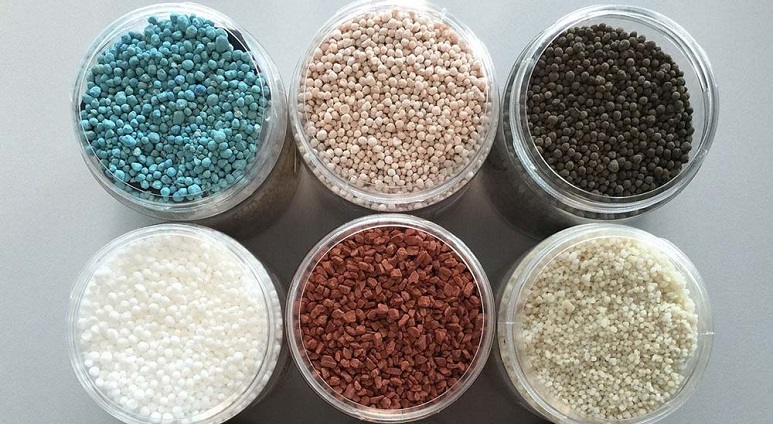
Generally, yes, the 21-24 grade is a standard input for fertilizer blending operations, precisely because its nutrient content is well understood and consistent with what blend formulas are typically built around. Blenders combining ammonium sulfate with urea, MAP, DAP, or potash rely on knowing the nitrogen and sulfur contribution of each input precisely, so a well-documented 21-24 specification makes it straightforward to calculate the final nutrient ratio of a custom blend.
That said, physical form matters more than the nutrient grade itself when it comes to blending performance. Granular ammonium sulfate blends more evenly with other granular fertilizer inputs because the particle sizes match, reducing the risk of nutrient segregation during transport and storage. Crystalline material, while carrying the same 21-24 nutrient content, is generally better suited to direct application or as an ingredient in liquid or fertigation systems rather than dry blending. Buyers planning a blend program should confirm both the nutrient grade and the physical form align with their blending equipment and downstream product requirements. We suggest you take a look at our guide to fertilizer mixing.
Ammonium Sulfate 21-24 vs Other Nitrogen Fertilizers
Compared to other common nitrogen sources, ammonium sulfate’s 21-24 analysis occupies a specific niche:
- Urea (46-0-0) delivers a much higher nitrogen concentration with no sulfur, making it more cost-efficient per unit of nitrogen alone, but it offers nothing toward sulfur nutrition and is more prone to volatilization losses under certain soil and weather conditions.
- Ammonium nitrate (34-0-0) offers a nitrogen blend of ammonium and nitrate forms, again with no sulfur content, and different soil behavior than the ammonium-only nitrogen in ammonium sulfate.
- MAP and DAP contribute nitrogen alongside phosphorus, useful for different agronomic goals, but again without meaningful sulfur content.
Ammonium sulfate’s advantage isn’t raw nitrogen efficiency; it’s the combination. For growers or blenders specifically addressing sulfur deficiency alongside nitrogen needs, the 21-24 analysis is difficult to replace without adding a separate sulfur-only input, which increases handling and blending complexity. This is why ammonium sulfate remains a staple in regions or crop programs where sulfur deficiency is a known issue, even though it isn’t the cheapest nitrogen source on a pure cost-per-unit-of-N basis.
Why Does the 21-24 Specification Matter When Buying in Bulk?
For bulk buyers, importers, distributors, and blending operations moving hundreds or thousands of tons per order, the 21-24 specification isn’t just a label; it’s a contractual reference point. Purchase agreements typically define minimum nitrogen and sulfur thresholds based on this grade, and the entire commercial relationship depends on the delivered product actually meeting those numbers.
At bulk volumes, even a small deviation from the specified 21-24 analysis has real financial consequences. A shipment testing meaningfully below the agreed nitrogen or sulfur minimums effectively delivers less nutrient value per ton than what was paid for, which is why serious buyers insist on a verified Certificate of Analysis tied to the specific batch being shipped, rather than relying on a general product description. This becomes especially important for buyers sourcing across long international supply chains, where there’s no opportunity to test the product before it ships.
Does the 21-24 Grade Affect Ammonium Sulfate Price?
The 21-24 grade itself is the industry-standard baseline, so it doesn’t typically create a price premium the way a higher-nutrient specialty grade might, but it does anchor how pricing is calculated. Ammonium sulfate is generally priced per ton based on this standard nutrient analysis, which allows buyers to compare quotations across suppliers on a like-for-like basis, provided everyone is quoting against the same 21-24 specification.
Where pricing does shift is around physical form (crystalline is often positioned slightly below granular due to the added granulation step), packaging format, and shipping terms. For a full breakdown of how these variables interact, it’s worth reviewing current ammonium sulfate price per ton figures directly rather than assuming a flat rate applies across every supplier and packaging combination.
What Should Buyers Ask Their Ammonium Sulfate Supplier?
Before finalizing an order quoted as “ammonium sulfate 21-24,” it’s worth confirming a few specifics directly with the supplier:
- Can you provide a Certificate of Analysis showing the actual tested nitrogen and sulfur content for the batch being offered?
- Is the 21-24 specification a guaranteed minimum, or a typical average, and how much batch-to-batch variation should I expect?
- Is the product available in both crystalline and granular form at this specification, or is one form the standard offering?
- What testing method was used to determine the nitrogen and sulfur figures on the COA?
- How does the quoted price break down relative to physical form, packaging, and shipping terms?
A supplier who answers these questions clearly and can back up the 21-24 claim with documentation is generally a safer long-term sourcing partner than one relying on the specification as a marketing figure alone.

Frequently Asked Questions
It refers to the fertilizer’s nutrient analysis, approximately 21% nitrogen and 24% sulfur by weight. This is the standard notation used across the industry for fertilizer-grade ammonium sulfate.
Yes. The first number represents nitrogen content, and the second represents sulfur content, both expressed as a percentage of the product’s total weight.
Yes, both physical forms are typically manufactured to the same 21-24 nutrient analysis. The grade notation refers to nutrient content only and doesn’t indicate whether the product is crystalline or granular.
By requesting a Certificate of Analysis (COA) for the specific batch being purchased. The COA shows the actual tested nitrogen and sulfur results, which buyers should compare against the specification quoted before finalizing an order.
The 21-24 grade is the standard baseline used to compare pricing across suppliers, but actual price differences typically come from physical form, packaging, and shipping terms rather than the nutrient grade itself.