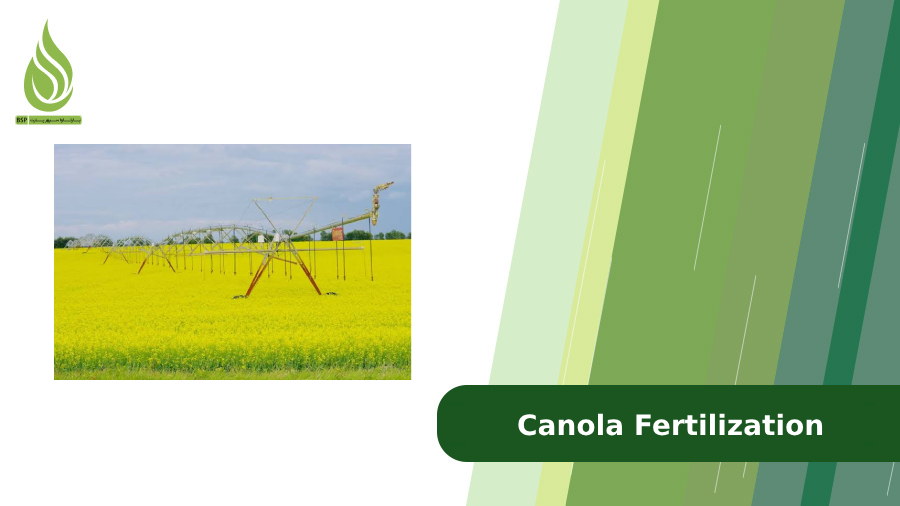
Canola Fertilization: Why Sulfur Matters for Oilseed Yield and Quality
Canola fertilization looks simple on paper, but this crop is more demanding than many growers expect. Canola (Brassica napus), known as oilseed rape in many regions, has to produce a large amount of small, oil-rich seed in a short season. Nitrogen gets most of the attention, yet sulfur is often the nutrient that holds results back. This guide walks through canola fertilization from planting to pod filling, with a close look at sulfur, and shows how to build a balanced program.
Canola Nutrient Requirements
Canola nutrient requirements are high compared with cereals. Oilseed production packs a lot of protein and oil into every seed, so nutrient removal per ton of grain is large. A strong crop needs nitrogen, phosphorus, potassium, and sulfur, plus boron and other micronutrients. Canola fertilizer requirements differ by region, and rapeseed fertilization in Europe is not identical to practice on the Canadian prairies. Still, the pattern holds: nitrogen and sulfur are needed in large amounts, and boron is critical at flowering. Fertilizer is only one piece of the puzzle. Genetics, weather, and water supply also shape yield, so use fertilizer to remove limits, not to promise results.

Why Canola Has a High Sulfur Requirement
Canola is a Brassica, and Brassicas take up far more sulfur than cereals at a similar yield. Sulfur uptake supports protein, enzymes, and the sulfur-containing compounds unique to this plant family, including glucosinolate formation. Other oilseeds like sunflowers share this trait, as covered in our guide to sunflower fertilization. Soil sulfate availability is the other half of the story. Most soil sulfur is locked in organic matter, and roots absorb only sulfate. Sulfate moves easily with water, so it can wash below the root zone. Cold spring soils also slow the release of sulfur from organic matter, which means early canola can run short even on fields that would supply enough later in the season. Cleaner air has reduced the sulfur that once fell with rain, making sulfur fertilizer for canola more important than it was a few decades ago.
Sulfur’s Role in Amino Acid and Protein Synthesis
Sulfur is a building block of cysteine and methionine, two amino acids the plant cannot do without. Amino acid synthesis, protein formation, and chlorophyll production all depend on them, and so does the plant’s use of nitrogen. When sulfur is short, nitrogen goes underused, no matter how much you apply.
How Sulfur Deficiency Affects Development and Seed Formation
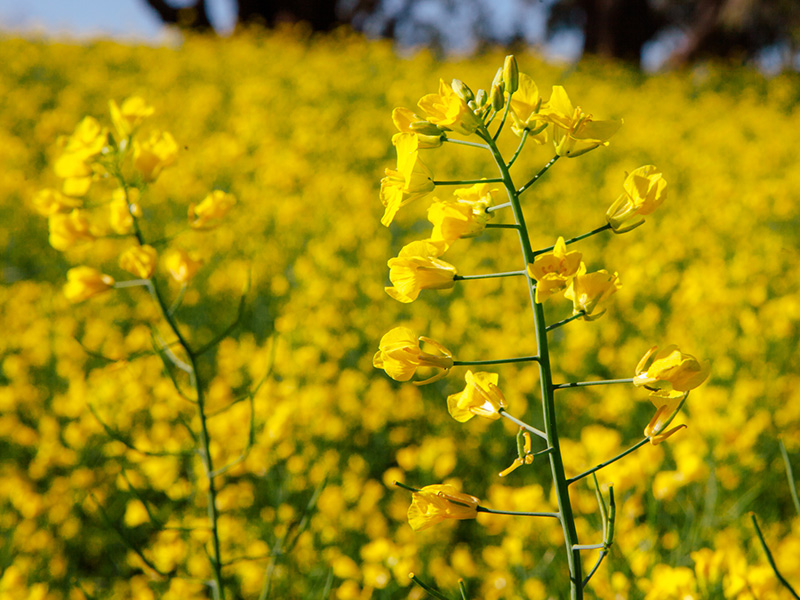
Sulfur deficiency in canola appears first on young leaves, because sulfur moves poorly inside the plant. Sulfur deficiency symptoms include pale yellow-green young leaves, cupped leaf edges, and purple tints underneath. At the flowering stage, look for small, pale petals. Later, pod formation suffers, with fewer pods and poorly filled seeds. These losses hit every one of the main yield components: pods per plant, seeds per pod, and seed weight. Oil content and seed quality can also decline. Mild shortages may show no symptoms at all but still cost yield, which is why testing matters.
The Nitrogen-Sulfur Balance
Nitrogen fertilizer for canola drives rapid growth, but high nitrogen raises sulfur demand. Without a matching supply, the crop cannot turn nitrogen into protein and oil. Keeping a healthy nitrogen-sulfur balance is therefore central to any program. For the general principles behind this partnership, see our guide to growing corn that explains the role of sulfur in crop production. Here the focus is on canola timing and placement.
Fertilization Before Planting and During Early Growth
A canola fertilization schedule starts before the seed goes in. Apply phosphorus, potassium, and sulfur before or at seeding, along with part of the nitrogen. Fertilizer placement matters because canola seed is small and sensitive to salt and ammonia burn. Keep high nitrogen rates away from the seed row, and band or broadcast the rest.
Early sulfur supply is especially important. During the rosette stage, roots are small and soils may be cold, so sulfur needs to be available in plant-ready form. Among the best fertilizers for canola are those that deliver nitrogen and sulfate together, such as ammonium sulfate fertilizer, because both nutrients can be taken up immediately.

Nutrient Management Before Flowering and During Pod Development
Good canola fertilization uses split nitrogen application to match supply to the crop’s fast growth. Apply the remaining nitrogen in spring, at the rosette or early stem elongation stage, rather than in one large dose. Sulfur application in rapeseed should follow the same timing. Early top-dressing works well, while applications after flowering begins are much less effective.
Before flowering, the crop builds the canopy that will feed the pods. During pod formation and seed development, demand for nitrogen and sulfur supports protein and oil content. A shortage at this stage reduces seed fill and seed quality. Avoid late, heavy nitrogen, though, because it can delay maturity.
Soil and Tissue Testing
Soil testing before planting should cover pH, organic matter, phosphorus, potassium, and sulfur. Sulfate results alone can mislead, since sulfate moves with moisture, so interpret them alongside soil texture, organic matter, and field history. Tissue tests during the rosette and early stem elongation stages confirm whether the crop is getting enough. Compare results with ranges from your local laboratory.
Common Fertilization Mistakes
- Skipping sulfur because a dry-season soil test looked adequate.
- Applying all nitrogen at once.
- Placing nitrogen too close to the seed.
- Applying sulfur too late to affect pod set.
- Overlooking boron and other micronutrients.
- Copying rates from another region or soil type.
Building a Balanced Canola Fertilization Program
A good plan keeps canola fertilization practical and cost-effective:
- Test soil and tissue to find gaps before they cost yield.
- Set a realistic yield goal and estimate nutrient removal.
- Match fertilizer for rapeseed crops to the plan, with sulfur ready at seeding.
- Split nitrogen between seeding and early spring growth.
- Add boron and other micronutrients where tests call for them.
- Record results and adjust each season.
Conclusion
Sulfur is not the only factor behind oil yield, but it is one of the easiest to overlook. Effective canola fertilization supplies nitrogen and sulfur in balance, places fertilizer safely, and times it to the crop’s needs. Do that consistently, and canola oil yield improvement becomes a realistic, repeatable goal.