Articles
-
Articles

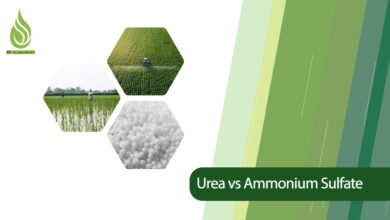
What Are the Differences Between Urea and Ammonium Sulfate? (Applicable Comparison)
Choosing between ammonium sulfate and urea is not just a matter of comparing nitrogen percentages. Both fertilizers supply nitrogen, but they differ in sulfur content, nitrogen concentration, soil effects, and the risk of nitrogen loss after application. The right choice depends on your crop’s nutrient requirements, soil conditions, application method, and fertilizer budget. Urea contains about 46% nitrogen, making it a concentrated nitrogen source. Standard ammonium sulfate fertilizer contains approximately 21% nitrogen and 24% sulfur, so it can supply two…
Read More -
Articles
CAS Number vs HS Code: What Is the Difference for Chemical Buyers?
If you buy chemicals internationally, you have seen two strings of numbers on almost every quote, invoice, and safety document. One looks like 7783-20-2. The other looks like 3102.21. They are easy to mix up, and mixing them up can delay a shipment. Understanding CAS number and HS code comes down to one idea. A CAS number tells you what the chemical is. An HS code tells customs how to classify the goods for trade. This guide explains both, shows…
Read More -
Articles
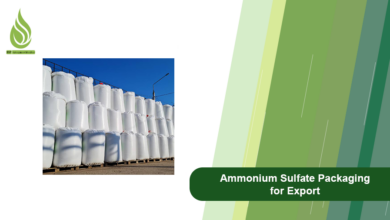
Ammonium Sulfate Packaging for Export: Bags, Jumbo Bags, and Bulk Vessel Shipment Explained
Ammonium sulfate can be prepared for international shipment in different formats depending on order volume, handling equipment, destination port, and buyer requirements. Getting ammonium sulfate packaging export right matters because bagged product works well for distribution and smaller commercial orders, while jumbo bags and bulk vessel shipment suit larger buyers moving hundreds or thousands of metric tons at a time. Here’s how each format actually works. Why Does Ammonium Sulfate Packaging Matter for Export? Ammonium sulfate packaging export decisions aren’t…
Read More -
Articles
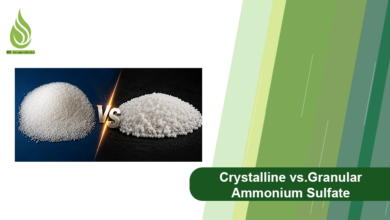
Crystalline vs Granular Ammonium Sulfate: Which One Should You Import?
If you need maximum nitrogen-sulfur concentration for direct application or industrial use, choose crystalline ammonium sulfate. If you’re blending fertilizer or spreading with mechanical equipment, granular ammonium sulfate is the better fit. Everything else below explains why and how to make the right call for your operation. Crystalline vs Granular Ammonium Sulfate Before you place an order, it helps to see both grades side by side. This table covers the specifications that actually matter for import decisions: nutrient content, handling,…
Read More -
Articles
How to Read an Ammonium Sulfate COA: A Buyer’s Guide
An ammonium sulfate COA, or Certificate of Analysis, is a batch-specific quality document showing the laboratory test results of a specific production run against agreed specification limits. For a buyer, it’s the fastest way to verify nitrogen content, sulfur content, moisture, and purity before committing to a bulk order; without it, you’re buying on trust alone. What Is an Ammonium Sulfate COA? An ammonium sulfate COA is a document issued by the manufacturer’s quality control laboratory that reports the actual…
Read More -
Articles
Ammonium Sulfate 21-24: What the Grade Means for Buyers
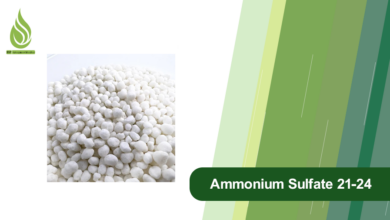
Ammonium sulfate 21-24 refers to a fertilizer’s guaranteed nutrient analysis: roughly 21% nitrogen and 24% sulfur by weight. It’s the standard nutrient notation used across the industry for fertilizer-grade ammonium sulfate, and it’s the number buyers should check against a supplier’s actual Certificate of Analysis before finalizing a bulk order; not just take from a quotation at face value. What Does 21-24 Mean in Ammonium Sulfate? The “21-24” you see on a supplier quotation, product listing, or fertilizer label is…
Read More -
Articles
FOB vs CFR vs CIF: Understanding Incoterms When Importing Ammonium Sulfate Fertilizer from Iran
When buying fertilizer internationally, FOB, CFR, and CIF determine who arranges major transportation, which costs are included in the quotation, and when transport risk transfers from the seller to the buyer. For buyers purchasing ammonium sulfate from Iran, understanding these terms is essential because two quotations with different delivery terms may not represent the same total cost. Let’s see what the ammonium sulfate FOB, CFR, or CIF price is. What Are Incoterms and Why Do They Matter When Buying Fertilizer?…
Read More -
Articles
Summer Fruit Tree Care: Checklist for a Healthy Orchard
Summer is a demanding season for fruit trees. High temperatures, strong sunlight, changing soil moisture, pests, diseases, and developing fruit can all place stress on an orchard. Good summer fruit tree care helps protect the current crop while keeping trees strong enough to support next season’s growth. A successful summer routine does not mean doing everything at once. The key is to monitor water, nutrition, pests, fruit load, canopy health, and soil conditions regularly and respond before small problems become…
Read More -
Articles
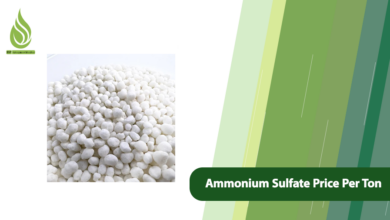
Ammonium Sulfate Price Per Ton: What Determines FOB Pricing (and How to Get an Accurate Quote)
If you are checking the ammonium sulfate price per ton in Q3 2026, there is no single global price. Recent public benchmarks show standard ammonium sulfate around $182.50/MT FOB China and about $307/MT FOB Northwest Europe, while Iranian offers can differ because of product form, delivery basis, packaging, freight, and local market conditions. These figures are market references, not BARNO’s binding quotation. What Factors Actually Move Ammonium Sulfate Price Per Ton? The price quoted by an ammonium sulfate supplier is…
Read More -
Articles
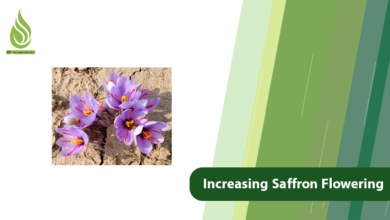
Increasing Saffron Flowering: Why Saffron Produces Few Flowers?
Saffron is one of the most valuable agricultural products in the world, and the profitability of growing it depends heavily on how many flowers your field produces. For saffron farmers, there are few things more worrying than walking through a field that looks healthy but produces only a fraction of the blooms it should. When that happens, the question is always the same: why is my saffron not flowering well, and what can I do to focus on increasing saffron…
Read More -
Articles
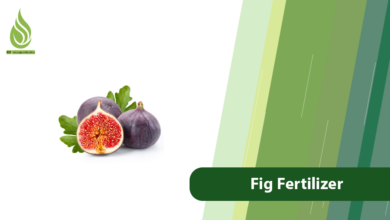
Fig Tree Fertilizer Program for Growth, Yield, and Fruit Quality
Figs are among the hardiest and most rewarding fruit trees you can grow, especially in arid and semi‑arid regions. They thrive where other fruit trees struggle and can live for decades, producing crop after crop. But if you want a fig tree that delivers truly sweet, plump, and high‑quality fruit year after year, water and soil alone won’t cut it. Correct, well‑timed nutrition is the secret behind fruit size, sugar content, and the overall quality and quantity of your harvest.…
Read More -
Articles
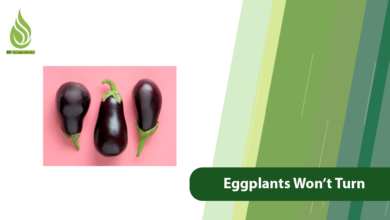
Why Eggplants Won’t Turn Black and Shiny
Eggplant is one of the most popular warm‑season vegetables in home gardens and on farms across the world. Its rich, deep purple to glossy black skin isn’t just about good looks—it’s a powerful signal of quality, flavor, and market value. When eggplants fail to develop that dark, shiny finish and instead stay pale, dull, light purple, or even greenish, it’s a warning sign that something in the growing process is off. The good news: you can absolutely correct it. In…
Read More