CAS Number vs HS Code: What Is the Difference for Chemical Buyers?
If you buy chemicals internationally, you have seen two strings of numbers on almost every quote, invoice, and safety document. One looks like 7783-20-2. The other looks like 3102.21. They are easy to mix up, and mixing them up can delay a shipment. Understanding CAS number and HS code comes down to one idea. A CAS number tells you what the chemical is. An HS code tells customs how to classify the goods for trade. This guide explains both, shows how they differ, and shows how to use them together on your next order.
CAS Number vs HS Code: The Short Answer
| Factors | CAS Number | HS Code |
|---|---|---|
| What it identifies | A specific chemical substance | A category of traded goods |
| Who assigns it | CAS, a division of the American Chemical Society | The World Customs Organization (WCO) |
| Purpose | Scientific and regulatory identification | Customs, duties, and trade statistics |
| Format | Three parts, such as 7783-20-2 | 6 digits globally, extended to 8 to 10 by countries |
| Is it unique to one product? | Yes, one number per substance | No, many products share one code |
| Can it change by country? | No | Yes, beyond the first six digits |
In short, the CAS number is the chemical’s fingerprint and the HS code is its customs category. The rest of this article explains why that distinction matters.
What Is a CAS Number?
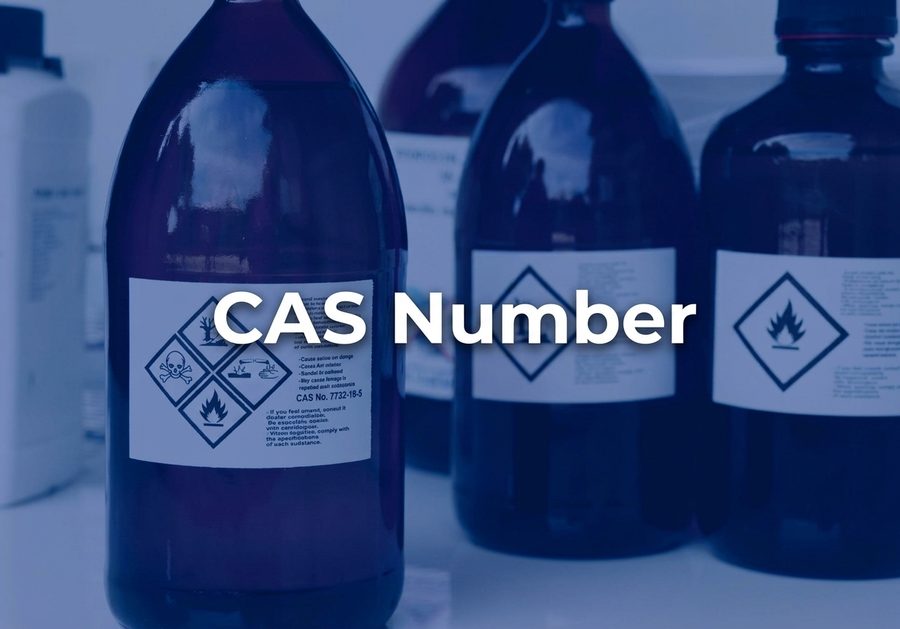
A CAS number, or CAS Registry Number, is a unique numerical identifier assigned to a single chemical substance. It works as a chemical identification number that stays the same no matter what language, brand name, or spelling a supplier uses. Take ammonium sulfate as an example. Depending on the source, you might see it written as:
- Ammonium sulfate
- Ammonium sulphate (the British spelling)
- Diammonium sulfate
- Sulfuric acid diammonium salt
- (NH₄)₂SO₄
All of these refer to the same substance, and all of them share one CAS number: 7783-20-2.
How to Read the Format
A CAS number has three parts separated by hyphens. The first part has up to seven digits, the second has two, and the last is a single check digit. The check digit is calculated from the other digits, so it helps catch typing errors. The numbers carry no chemical meaning. They are assigned in sequence as substances are registered.
Why CAS Numbers Matter to Buyers
Chemical names are messy. Suppliers abbreviate, translate, and use trade names. A CAS number removes the guesswork. Buyers and regulators use it to:
- Confirm that a quote matches the exact substance they need
- Look up a safety data sheet (SDS)
- Check chemical regulations such as REACH in Europe
- Compare suppliers on equal terms
- Search inventory and compliance databases
One limitation is worth knowing. A CAS number identifies a pure substance. A blend of several chemicals generally has no single CAS number. Its ingredients each have their own.
What Is an HS Code?
The Harmonized System, or HS, is an international naming and numbering system for traded goods. The World Customs Organization maintains it, and more than 200 countries and economies use it. An HS code is a chemical customs classification. It tells border officials which product category a shipment belongs to. This is what makes the code essential for chemical import classification. Customs authorities use it to decide:
- How much import duty applies
- Which taxes are charged
- Whether permits or licenses are required
- Whether any restrictions or quotas apply
- How trade statistics are recorded
How an HS Code Is Structured
The first six digits are the same worldwide. They break down like this:
- First two digits: the chapter (for example, Chapter 31 covers fertilizers)
- Next two digits: the heading within that chapter
- Last two digits: the subheading
Individual countries then add more digits for their own tariff schedules. The European Union uses eight digits, and the United States uses ten. So the same product can carry slightly different full codes depending on the destination, even though the first six digits match.
Why Classification Is Not Always Simple
A single chemical can fall under different HS codes depending on how it is used or sold. Ammonium sulfate is a good example:
- Ammonium sulfate sold as a fertilizer is generally classified under 3102.21 (Chapter 31, mineral or chemical fertilizers).
- Ammonium sulfate sold as a chemical for industrial uses is generally classified under 2833.29 (Chapter 28, inorganic chemicals, sulfates).
The substance is identical, so the CAS number does not change. The intended use, presentation, and packaging can change the customs classification. This is one of the clearest reasons the two numbers cannot replace each other. Always confirm the correct code with your customs broker or your national tariff database. Classification rules can differ by country, and the final decision rests with the customs authority.
The Key Differences Between a CAS Number and an HS Code
Now that both terms are clear, here is the CAS number vs HS code comparison in more detail.
1. They Answer Different Questions
A CAS number answers, “Which exact chemical is this?” An HS code answers, “Which customs category does this shipment fall into?” One is about chemistry and the other is about trade.
2. One Is Exact, the Other Is Broad
Each substance has only one CAS number. An HS code is deliberately broad, and thousands of different products can share a single six-digit code. A code identifies a group of goods, not a specific compound.
3. They Are Issued by Different Organizations
CAS numbers come from CAS, which registers substances as they are reported in scientific literature and industry. HS codes come from the World Customs Organization and are reviewed and updated periodically so that they reflect changes in global trade.
4. One Stays Fixed and the Other Can Shift
A CAS number never changes for a given substance. HS codes are updated in revision cycles, and national extensions can change. A code you used two years ago may need a fresh check today.
5. They Serve Different Audiences
Laboratories, safety officers, regulators, and procurement teams rely on CAS numbers. Customs officers, freight forwarders, brokers, and tax authorities rely on HS codes. A chemical buyer, however, needs both.
Where Each Number Appears in Trade Documents
Knowing where each number belongs helps you catch errors before they reach the port.
Documents that typically show the CAS number:
- Safety data sheets (SDS)
- Technical data sheets and specifications
- Certificates of analysis, which you can read about in our guide to the ammonium sulfate COA
- Product pages and quotations
- Regulatory filings and registrations
Documents that typically show the HS code:
- Commercial invoices
- Packing lists
- Bills of lading
- Certificates of origin
- Customs declarations
- Export and import licenses
Some documents carry both. A well-prepared commercial invoice for chemicals often lists the product name, CAS number, and HS code side by side, which reduces questions at customs.
Why Chemical Buyers Need Both Numbers
Think of the two numbers as two different checks on the same order. The CAS number confirms you are buying the right product. If a supplier quotes “ammonium sulfate,” the CAS number 7783-20-2 confirms it is that substance and not a similar-sounding compound.
The HS code confirms you can clear that product through customs without surprises. It determines the duty rate, which directly affects your landed cost. That is why buyers who compare offers should look past the unit price. When you review an ammonium sulfate FOB price, remember that FOB covers the cost up to the port of loading. Duties and taxes at your destination depend on the HS code and your country’s tariff rules, and they come on top of the quoted figure.
The same applies when you compare an ammonium sulfate price per ton across suppliers. Two offers are only truly comparable when they describe the same substance, which the CAS number confirms, and when you know how each will be classified for import.
Common Mistakes Buyers Make
Even experienced importers run into these problems:
- Treating the two numbers as interchangeable. Putting a CAS number in the HS code field on a customs form can cause rejection or delay.
- Assuming one HS code applies everywhere. The first six digits are shared, but your country’s extra digits may differ from the supplier’s.
- Using an outdated HS code. Revisions happen, so verify the code before each new contract period.
- Ignoring end use. A product sold as a fertilizer and the same product sold for industrial use can be classified differently.
- Expecting a CAS number for a blend. Mixtures usually have no single CAS number, so ask for ingredient-level details.
- Skipping verification. A supplier’s stated code is a starting point. Your customs broker makes the final call.
A Practical Checklist for Your Next Order
Before confirming a chemical purchase, ask your supplier for the following:
- The product name, with the CAS number and chemical formula
- The proposed HS code, and the end use it assumes
- The SDS and certificate of analysis
- Packaging details and the Incoterm being quoted
- The country of origin documentation
Then compare the supplier’s HS code with your country’s official tariff database, and confirm it with your customs broker. This takes a few minutes and can prevent costly delays.
Related Identifiers You May Encounter
CAS numbers and HS codes are not the only identifiers in chemical trade. You may also see:
- EC number: the European Community number used under EU chemical regulation. Ammonium sulfate’s is 231-984-1.
- UN number: used for transporting dangerous goods. Many chemicals have one, but not every chemical is classified as dangerous for transport.
- REACH registration number: required for many substances placed on the EU market.
- GHS classification: the globally harmonized system for hazard labeling.
Each serves a separate purpose. None of them replaces the CAS number or the HS code.
Frequently Asked Questions
No. A CAS number identifies a specific chemical substance. An HS code classifies goods for customs and trade. They serve different purposes and come from different organizations.
Yes. An HS code covers a category of goods, so many different chemicals can share one code. A CAS number, by contrast, belongs to only one substance.
Yes, depending on its form, purpose, and packaging. Ammonium sulfate is a clear example, since fertilizer-grade and industrial-grade shipments are commonly classified under different headings.
Customs forms usually ask for an HS code rather than a CAS number. However, regulators, safety documents, and many import permits require the CAS number, so you should have it ready.
The customs authority in the importing country makes the final decision. Suppliers and brokers can recommend a code, but they cannot guarantee how customs will classify the goods.
Six digits are standardized worldwide. Countries add digits for their own tariff schedules, commonly reaching eight to ten.
Final Thoughts
The CAS number vs HS code question is easier than it first appears. The CAS number tells you exactly what the chemical is. The HS code tells customs how to classify the shipment and what duties apply. Reliable chemical trade depends on getting both right. The next time you receive a quote, check that the CAS number matches the substance you need, and confirm that the HS code fits your intended use and your country’s tariff. That habit protects your budget, your timeline, and your compliance record.