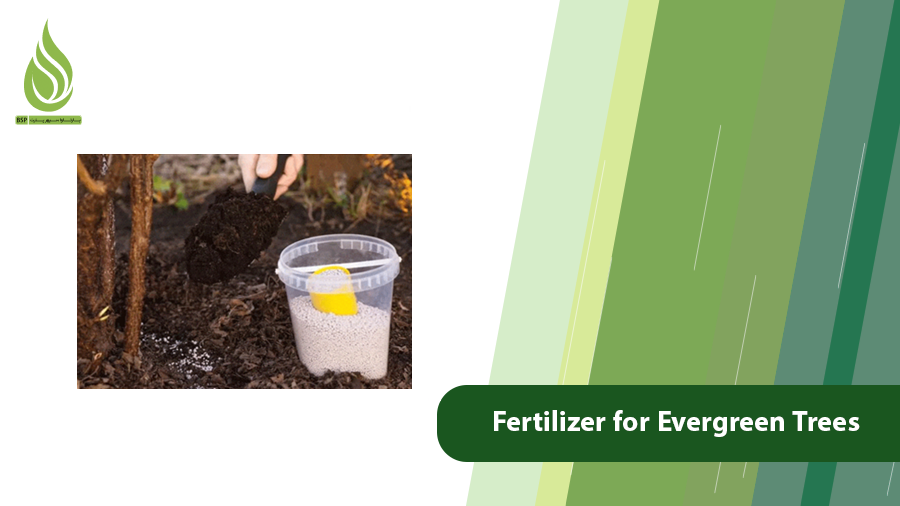
The Best Fertilizer for Evergreen Trees: Pine, Cypress, and More
Evergreen trees are the jewels of any landscape. Whether they line a grand avenue, anchor a backyard garden, or form a living privacy screen around a villa, these plants bring year‑round color and life to outdoor spaces. From towering pines to slender cypresses and dense boxwoods, evergreens can keep a garden looking fresh and vibrant even in the dead of winter. But if you’ve ever looked at your evergreens and noticed them turning yellow, thinning out, or looking sickly instead of lush, you know that keeping them healthy isn’t automatic. To stay green, dense, and strong, these trees need the right conditions—and one of the most important pieces of that puzzle is proper feeding. In this article, we explain exactly what evergreens need to thrive and, most importantly, we break down the best fertilizer for evergreen trees so you can choose the right product with confidence.
What Are Evergreen Trees and Why Are They So Popular?
Evergreen trees and shrubs are those that hold onto their foliage throughout the entire year. Unlike deciduous trees that drop all their leaves each fall, evergreens shed old leaves or needles gradually, replacing them with new growth so seamlessly that the plant never looks bare. This constant greenery is what makes them such a valuable design element in both urban landscapes and private gardens.
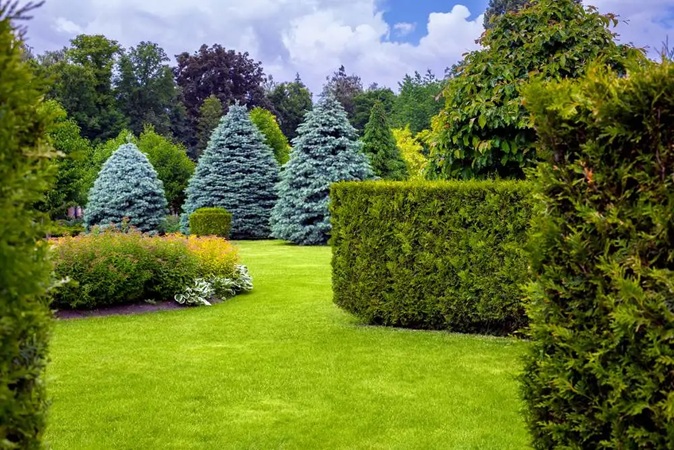
Common evergreen trees include various species of pine, cypress, cedar, thuja, and boxwood, as well as palms in warmer regions. They are planted everywhere—parks, streetscapes, villa gardens, and container plantings—because they serve multiple purposes:
- Natural windbreaks: A row of evergreens can slow harsh winds and protect more delicate plants.
- Privacy screens: Tall, dense evergreens make an excellent living wall that blocks unwanted views and noise.
- Air purification: Their foliage traps dust and absorbs some airborne pollutants, improving local air quality.
- Year‑round oxygen production: Because they keep their leaves, evergreens photosynthesize whenever temperatures allow, continuously releasing oxygen.
- Aesthetic structure: They provide a permanent framework of form and color that anchors the rest of the garden, even when flowering plants are dormant.
Given all these benefits, it’s no wonder evergreens are so widely used. But despite their reputation for toughness, they still need proper care to perform their best.
Why Proper Care Matters for Evergreen Trees
A common misconception is that because evergreens are hardy, they don’t need much attention. While it’s true that many evergreens are more resilient than fussy ornamentals, this belief is only half right. If their basic needs aren’t met, even the toughest pine or cypress will decline over time. Neglected evergreens often show warning signs such as:
- Yellowing needles or leaves
- Browning and dying shoot tips
- Thinning canopies with bare patches
- Stunted or slowed growth
- Increased susceptibility to pests and diseases
- Brown, dead sections in the crown
- Weak root systems and poor establishment
Left uncorrected, these symptoms can progress until whole branches die and the tree’s overall health spirals downward. The good news is that most of these problems can be prevented or reversed by getting a few fundamentals right. Among them, feeding with the best fertilizer for evergreen trees is a key step, but it works in concert with proper watering, adequate light, timely pruning, pest control, and good soil conditions. Let’s look at each of these pillars so you have a complete care blueprint.

The Foundation of Healthy Evergreens: Essential Care Practices
Before diving into specific fertilizer recommendations, it’s crucial to establish a solid foundation. Even the best fertilizer for evergreen trees can’t work miracles if the tree is stressed by poor watering, bad light, or compacted soil. Here’s what every evergreen needs to stay healthy and green.
Smart Watering
Watering is a balancing act. Too much or too little both spell trouble. Evergreens, especially young ones that haven’t yet rooted deeply, need regular, deep irrigation to encourage roots to grow down into the soil. Shallow, frequent sprinklings are far less effective than a thorough soak that moistens the entire root zone. At the same time, the soil must never stay waterlogged. Soggy soil suffocates roots, leading to rot—one of the quickest ways to kill an evergreen.
During the hot summer months, evergreens lose a lot of moisture through their leaves or needles. If the soil dries out completely, you’ll soon see yellowing and needle drop. As a general rule, increase watering frequency in summer and reduce it in winter. The best time to water is when the top few inches of soil feel dry to the touch. Check the soil regularly, and when it’s dry at that depth, it’s time to irrigate deeply.
Getting Enough Light
Most evergreen trees need plenty of sunlight to maintain dense, richly colored foliage. When light is insufficient, the interior of the plant thins out, branches get leggy, and the overall shape suffers. While light requirements vary somewhat among species, classic choices like pines, cypresses, and thujas perform best in full sun. Some species, such as certain types of laurel or tree ferns, can tolerate partial shade, but even they won’t reach their full potential without adequate light. In extremely hot climates, however, the intense midday summer sun can scorch leaves. In those cases, a temporary shade cloth during the hottest hours can prevent burn and keep the foliage looking its best.
Light and Sensible Pruning
Evergreens rarely need heavy pruning. In fact, drastic cuts can permanently disfigure them. What they do benefit from is a light, targeted trim to remove dead, diseased, damaged, or misshapen branches. This not only tidies up the plant but also improves air circulation through the canopy, reducing disease pressure. For hedges and formally shaped evergreens, frequent but light trims are far better than a severe chopping session that shocks the plant. The ideal time to prune most evergreens is in late winter or early spring, just before new growth pushes out, so the plant can quickly heal and fill in.

Keeping Pests and Diseases in Check
Evergreens aren’t immune to problems. Aphids, scale insects, spider mites, leaf‑eating caterpillars, and various fungal diseases can all take hold, especially if the tree is already stressed by poor nutrition or improper watering. Regular inspection is your best defense. Walk around your trees every week or two, looking under leaves and along stems for any signs of trouble. If you spot pests early, you can often manage them with low‑impact solutions like insecticidal soaps or horticultural oils. Maintaining plant vigor through proper feeding and watering is also one of the best ways to prevent infestations, because healthy plants are naturally more resistant.
The Right Soil and Good Drainage
Most evergreens prefer soil that holds some moisture but drains freely. Heavy clay that stays wet for days suffocates roots and leads to yellowing and decline. To improve drainage, work in plenty of well‑rotted compost, leaf mold, or aged manure. In some cases, adding coarse sand can also help. A layer of organic mulch spread around the root zone—but not piled against the trunk—conserves soil moisture, evens out temperature swings, suppresses weeds, and slowly breaks down to enrich the soil. Just be careful not to let mulch touch the trunk, as that can cause crown rot.
Evergreens generally favor slightly acidic soil. In many parts of the Middle East, garden soils tend to be alkaline. If your soil is too alkaline or salty, essential nutrients become locked up, and your evergreens may develop yellow leaves no matter how much fertilizer you apply. A soil test is the best way to know your pH and adjust accordingly, using amendments like sulfur to lower pH if needed.
Why Fertilizer Is Key and What Your Evergreen Trees Actually Need
Even with all the right cultural practices, evergreens can’t reach their full potential without the nutrients they need. Compared to fruit trees or fast‑growing annuals, evergreens like pines and cypresses have relatively modest appetites. But that doesn’t mean they can survive on nothing. Nutrient deficiencies lead to yellowing, slow growth, and reduced resistance. The goal is to supply exactly what’s missing at the right time, which is where choosing the best fertilizer for evergreen trees becomes so important.
There is no single “magic bullet” product that works for every situation. The right fertilizer depends on the tree’s age, the soil type, the season, how vigorously it’s growing, and the specific symptoms you’re seeing. For example:
- If your primary goal is deep green color, you’ll focus on nitrogen and micronutrients.
- If the tree is generally weak, a balanced NPK fertilizer is a good starting point.
- In poor soils, organic matter and soil amendments are just as important as fertilizer.
- If yellowing is clearly due to a nutrient deficiency, targeted micronutrient supplements become essential.
In general, several nutrient groups matter most for evergreens:
- Nitrogen: The number one nutrient for lush, green foliage. Nitrogen is a building block of chlorophyll, so a shortage quickly shows up as pale, yellowing needles or leaves.
- Phosphorus: Essential for strong root development and helping young trees establish.
- Potassium: Boosts overall health and increases resistance to cold, drought, and other stresses. Potassium is especially critical for palms and fruiting evergreens, and it helps thicken cell walls so leaves stay green longer.
- Sulfur: Improves nutrient uptake, deepens green color, and gently acidifies alkaline soils—a big plus where soils are naturally high in pH.
- Micronutrients: Iron, manganese, and zinc are the heavy hitters for evergreens. Iron deficiency, in particular, is common in alkaline soils and causes a distinctive yellowing between the veins of new leaves.
So, based on these needs, what fertilizer products should you have on hand? Here is a simple, practical recommendation for feeding evergreen trees effectively:
- A complete NPK fertilizer: Something like a 15‑15‑15 or 20‑20‑20 provides a balanced supply of the three major nutrients and covers the basics for steady growth.
- Iron supplement: If you see yellowing leaves with green veins, your tree is likely iron‑deficient. In many alkaline soils, iron is present but chemically locked up; an iron chelate or ferrous sulfate foliar spray can correct the problem quickly.
- Nitrogen booster: In early spring, an application of a nitrogen‑rich fertilizer gives growth a fast start and promotes the development of new shoots and needles.
- Potassium fertilizer: Use a potassium sulfate or similar product to help trees withstand stress, whether from cold, heat, drought, or heavy pruning.
When and How Often to Fertilize Evergreen Trees
Timing matters just as much as product choice. Fertilizing outside the active growth window can be wasteful at best and harmful at worst. Here’s a general guideline based on the tree’s age:
- Young trees (first few years after planting): Feed 2 to 3 times a year—once in early spring, once in late spring, and once in early summer. The more frequent feeding supports rapid establishment and canopy development.
- Mature trees: 1 to 2 feedings per year are usually sufficient. Apply a full dose in early spring and, if the tree seems to need a boost, a lighter application in early fall.
A seasonal schedule aligned with growth cycles looks like this:
- Early spring: Nitrogen‑rich fertilizer or a balanced NPK to fuel the first flush of growth.
- Mid‑spring: Iron and micronutrient supplements to prevent yellowing and deepen green color.
- Early summer: A complete fertilizer to strengthen branches and maintain density.
- Early fall: Potassium‑rich fertilizer to harden off tissues and increase resistance to winter cold and the drier conditions that often come with it.
Heavy fertilization in winter is generally not recommended. During cold months, root activity slows dramatically, and nutrient uptake drops. Applying fertilizer then can be ineffective or even damaging, as unused salts may build up and burn roots. Winter care should focus on protecting roots from freezing, managing soil moisture, and avoiding waterlogged conditions.
One specific tip: A single application of ammonium sulfate at the very start of the growing season (early spring) can be highly beneficial. Ammonium sulfate supplies both nitrogen and sulfur. Sulfur is particularly important for conifers like pines because it’s used in protein synthesis, and the mild acidifying effect helps counteract the alkaline soils common in many areas.
Tips for Getting the Most Out of Your Fertilizer
Applying the best fertilizer for evergreen trees is only part of the story. How you apply it can make the difference between a thriving tree and a damaged one. Keep these additional pointers in mind:
- Avoid over‑fertilizing. More is not better. Excess fertilizer can burn roots, increase soil salinity, and stress the plant. Always follow the label rates, and when in doubt, use a little less rather than a little more.
- Test your soil first. Before spending money on expensive supplements, get a soil test. If your soil is already rich in iron, adding more won’t help and could cause toxicity. A test tells you exactly what’s needed, saving you time and money.
- Don’t fertilize during extreme summer heat. In the peak of July and August, when temperatures soar, evergreens are already under heat stress. Fertilizing at this time can scorch roots. If a feeding is due, wait for a cooler spell.
- Always water after applying fertilizer. Once you spread granular fertilizer, irrigate thoroughly to dissolve the nutrients and carry them down to the root zone. Dry fertilizer sitting on the soil surface won’t do the plant any good and can damage surface roots.
- Spread fertilizer away from the trunk. The active feeder roots are not right against the trunk but out under the drip line—the area directly below the outermost branches. Apply fertilizer in a wide band in that zone, not in a pile at the base.
- Special care for palms. Palms are heavy potassium feeders. A potassium deficiency in palms shows up as browning and premature dropping of the lower fronds. If you’re growing palms, use a fertilizer formulated specifically for palms with a high potassium content, and follow a regular feeding schedule.
Putting It All Together
Caring for evergreen trees is a long‑term investment that pays off in a landscape that looks vibrant and structured in every season. When you provide deep, consistent watering, plenty of sunlight, light pruning, pest vigilance, well‑drained soil, and, crucially, the best fertilizer for evergreen trees tailored to your plants’ needs, you set the stage for robust health. Yellowing needles will green up, bare patches will fill in, and your trees will stand up to heat, cold, and pests far more successfully.