Summer Fruit Tree Care: Checklist for a Healthy Orchard
Summer is a demanding season for fruit trees. High temperatures, strong sunlight, changing soil moisture, pests, diseases, and developing fruit can all place stress on an orchard. Good summer fruit tree care helps protect the current crop while keeping trees strong enough to support next season’s growth. A successful summer routine does not mean doing everything at once. The key is to monitor water, nutrition, pests, fruit load, canopy health, and soil conditions regularly and respond before small problems become serious. This practical checklist explains the main summer orchard care tasks and when to carry them out.
Why Summer Orchard Care Matters
Summer is when many fruit trees are actively growing, developing fruit, and preparing for harvest. The exact needs vary by species and climate, but several problems become more common as temperatures rise. Poor summer management can contribute to:
- Small or poorly developed fruit
- Premature fruit drop
- Sunburn on fruit, branches, or trunks
- Water stress and leaf damage
- Increased pest activity
- Disease problems after summer rain or irrigation
- Excessive vegetative growth from poorly timed fertilization
- Weak tree growth after harvest
Summer care is also connected to the following growing season. A tree that experiences severe water or nutritional stress may have fewer resources available for continued growth and fruit production later.
Summer Fruit Tree Care Checklist
The following table provides a simple overview of the main tasks to include in a summer orchard routine.
| Task | Best time to check or carry it out | Why it matters |
|---|---|---|
| Check soil moisture | Throughout summer | Prevents severe water stress and uneven moisture |
| Inspect irrigation | Weekly or after major weather changes | Helps identify blocked emitters, leaks, or uneven watering |
| Apply mulch | Early summer and refresh as needed | Reduces evaporation and moderates soil temperature |
| Monitor nutrition | According to soil and plant needs | Prevents deficiencies and unnecessary fertilizer use |
| Inspect for pests | At least weekly | Allows early detection before populations increase |
| Check for disease | Weekly, especially after rain | Helps identify infections before they spread |
| Control weeds | Regularly | Reduces competition for water and nutrients |
| Thin fruit when appropriate | During the suitable fruit-development stage | Improves fruit size and reduces excessive crop load |
| Check for sunburn | During hot, high-light periods | Helps identify and protect exposed fruit and tree tissue |
| Prune selectively | Only when appropriate for the species and situation | Maintains canopy balance without removing productive wood |
| Harvest ripe fruit | According to crop maturity | Protects fruit quality and reduces losses |
| Remove fallen or diseased fruit | Immediately | Reduces pest and disease pressure |
This checklist should be adapted to the fruit species, local climate, soil type, tree age, and orchard management system.
1. Manage Summer Irrigation Carefully
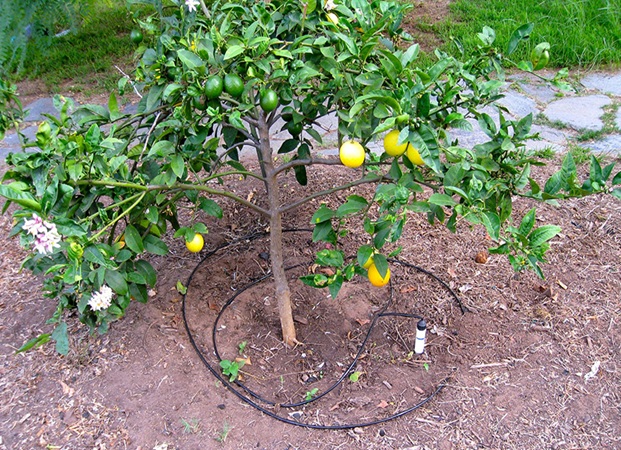
Water management is one of the most important parts of summer fruit tree care. As temperatures rise, evaporation and plant water use can increase, particularly during periods of dry weather. However, more water is not always better. Both prolonged drought and excessive irrigation can damage root function and reduce tree performance.
Instead of watering according to a fixed calendar alone, monitor the soil and the condition of the trees. Sandy soils may lose available water faster than heavier soils, while mature trees and young trees have different root systems and water requirements. Drip irrigation can be useful because it delivers water close to the root zone and can reduce unnecessary evaporation. The goal is to maintain suitable soil moisture without keeping the root zone continuously saturated.
Watch for signs of water stress such as:
- Wilting or drooping leaves
- Leaf scorch
- Premature leaf drop
- Small or poorly developing fruit
- Excessive fruit drop
At the same time, persistent wet soil, poor drainage, yellowing leaves, and weak growth can indicate excessive moisture or root problems. The best irrigation schedule depends on the crop, soil, weather, and irrigation system. Use soil moisture observations and local agronomic recommendations rather than relying on one watering rule for every orchard.
2. Use Mulch to Protect the Root Zone
Mulching is a simple way to support fruit trees during hot weather. A suitable layer of organic mulch can help:
- Reduce evaporation from the soil
- Moderate soil temperature
- Suppress weeds
- Add organic matter as it decomposes
- Reduce rapid changes in soil moisture
Possible materials include straw, suitable compost, dried leaves, or other appropriate organic materials. Do not pile mulch directly against the trunk. Leaving space around the trunk improves air circulation and reduces the risk of moisture-related problems at the trunk base. Mulch should complement good irrigation and drainage rather than replace them.
3. Check Tree Nutrition Before Fertilizing
Summer fertilization should be based on the tree’s growth stage and actual nutritional needs rather than a routine application of fertilizer. A soil test, plant analysis, or advice from a qualified local agronomist can help determine whether additional nutrients are needed. Heavy nitrogen applications late in the season can be counterproductive for some fruit trees because they may encourage excessive vegetative growth when the tree should be directing resources toward fruit development and maturation.
Nitrogen is important, but timing and quantity matter. Other nutrients can also be important depending on the crop and soil. Potassium, calcium, magnesium, sulfur, and micronutrients such as boron and zinc all have specific roles in plant growth and fruit development. For orchards where nitrogen and sulfur are needed, a balanced nitrogen-sulfur source such as crystalline ammonium sulfate may be part of a fertilization program. However, the appropriate fertilizer and application rate should be based on the crop, soil test, tree condition, and local recommendations.
Avoid treating fertilizer as a solution to every summer orchard problem. Yellow leaves, poor fruit development, or weak growth can also result from water stress, root damage, pests, disease, unsuitable soil conditions, or other factors.
4. Monitor Summer Pests Every Week
Warm weather can increase the activity and reproduction of many orchard pests. Depending on the crop and region, growers may encounter:
- Aphids
- Mites
- Scale insects
- Fruit flies
- Caterpillars
- Other fruit or foliage pests
Inspect both sides of leaves, young shoots, fruit, and branches. Look for unusual spots, curling leaves, sticky residue, webbing, damaged fruit, or visible insects. Early detection is much easier to manage than a severe infestation.
Monitoring tools such as sticky traps or pheromone traps can also help identify pest activity. If treatment becomes necessary, choose a product appropriate for the identified pest and crop and follow the product label carefully. Avoid unnecessary broad-spectrum pesticide applications, especially when beneficial insects are active.
5. Watch for Summer Diseases
Disease management is another important part of summer orchard care. High humidity, poor air circulation, prolonged leaf wetness, damaged fruit, and unsuitable irrigation practices can create conditions that favor certain diseases. Inspect the orchard regularly for:
- Leaf spots
- Unusual discoloration
- Fruit rot
- Cankers
- Dieback
- Cracked fruit
- Mold or fungal growth
Good orchard hygiene is often an important first step. Remove severely diseased plant material and fallen or rotting fruit where appropriate, and avoid leaving infected material in the orchard. If a disease is suspected, identify the problem before applying a treatment. Different diseases require different management strategies, and a general fungicide application is not automatically the right answer.
6. Keep Weeds Under Control
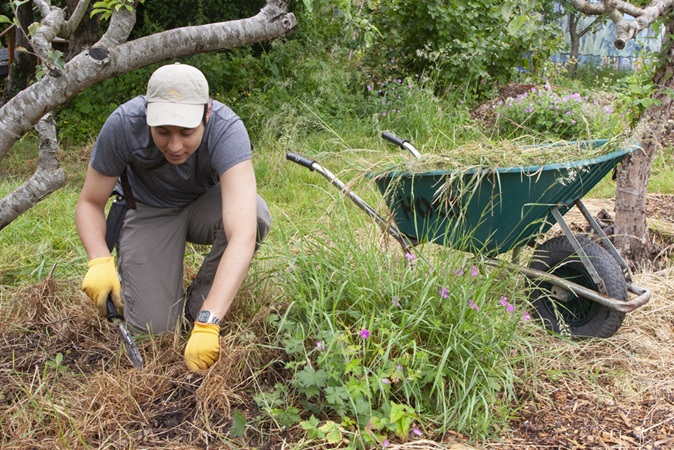
Weeds compete with fruit trees for water, nutrients, and growing space. This competition can become more important during hot, dry periods when available soil moisture is limited. Keep the area around the tree’s root zone reasonably free of aggressive weeds. Mechanical removal, appropriate cultivation, mowing, or mulch can all be useful depending on the orchard system.
Avoid deep cultivation close to established trees because it can damage shallow roots. Mulching can also reduce the amount of weed growth that appears around the tree while helping conserve soil moisture.
7. Thin Excess Fruit When Necessary
A tree carrying an excessive crop may produce many fruits but still deliver poor overall quality. When appropriate for the species and cultivar, fruit thinning can help the remaining fruit receive more of the tree’s available water, nutrients, and carbohydrates. Thinning can:
- Improve fruit size
- Reduce competition between developing fruits
- Lower the risk of branch breakage from excessive crop load
- Improve fruit quality
- Reduce the risk of severe alternate bearing in susceptible crops
The correct thinning stage and spacing vary greatly between fruit species. Do not apply one spacing rule to every tree. Thinning is especially important in orchards where heavy crops regularly lead to small fruit or poor production in the following year. For a broader discussion of fruit production problems, see our guide to fruit trees that don’t bear fruit.
8. Protect Fruit Trees From Summer Sunburn
Strong sunlight and high temperatures can cause sunburn on exposed fruit, branches, and trunks, particularly in hot climates. Sunburn may appear as:
- Brown or damaged patches on fruit
- Discolored exposed bark
- Cracked or damaged tissue
- Dried areas on highly exposed branches
Avoid sudden, unnecessary removal of large amounts of canopy during periods of intense heat. A dense canopy can provide valuable shade for fruit and exposed limbs. Good irrigation management can also help trees cope with heat stress. In some production systems, approved trunk coatings, shade materials, or other protective methods may be used. The appropriate method depends on the crop, climate, and production system.
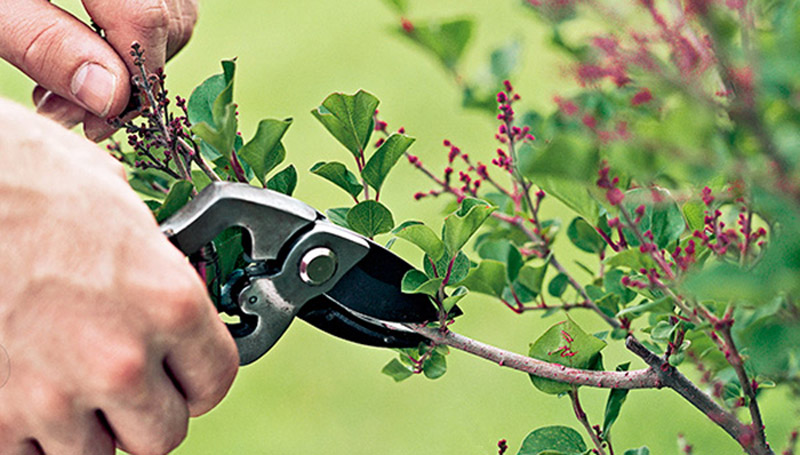
9. Be Careful With Summer Pruning
Summer pruning can be useful, but it should not become an excuse for heavy cutting. The correct approach depends heavily on the fruit species because different trees produce fruit on different types and ages of wood. Light corrective pruning may be appropriate for removing:
- Dead branches
- Broken branches
- Diseased wood
- Some unwanted shoots
- Growth that is severely blocking light or airflow
However, removing too much healthy canopy during hot weather can expose previously shaded fruit and branches to intense sunlight. Before making significant cuts, learn how your particular fruit tree produces fruit. Our complete guide to tree pruning provides more detailed information about pruning principles.
10. Harvest Fruit at the Right Time
Summer orchard care does not stop when fruit begins to ripen. Harvesting at the correct maturity stage protects fruit quality and reduces losses from over-ripening, pests, cracking, and disease. Handle fruit carefully during picking and transport. Bruised or damaged fruit deteriorates faster and can become a source of disease. Remove severely damaged or rotting fruit from the orchard rather than leaving it beneath the trees. For crops that ripen over several weeks, frequent harvesting may be necessary during the peak season.
11. Keep the Orchard Floor Clean
Fallen fruit, diseased leaves, broken branches, and other plant debris can create hiding or breeding sites for pests and pathogens. Walk through the orchard regularly and remove material that could contribute to pest or disease pressure. This is particularly important when fruit is beginning to ripen. Overripe or damaged fruit can attract insects and other organisms that can affect healthy fruit. Good sanitation is a basic but often overlooked part of effective summer orchard management.
12. Adjust Care for Heat and Drought Stress
Heat and drought can affect nearly every part of an orchard. During periods of extreme heat:
- Check irrigation systems more frequently.
- Monitor soil moisture rather than relying only on a fixed schedule.
- Maintain suitable mulch around the root zone.
- Avoid unnecessary heavy pruning.
- Watch for leaf scorch and premature leaf drop.
- Monitor developing fruit for heat-related damage.
- Check young trees more frequently because their root systems are less established.
Trees that are already under water stress may also become more vulnerable to secondary problems. The goal is not to eliminate every effect of hot weather but to keep environmental stress within a manageable range.
A Simple Weekly Summer Orchard Routine
A consistent weekly inspection can prevent many small problems from becoming major ones.
Every week
- Check the soil: Is the root zone becoming too dry or remaining excessively wet?
- Inspect irrigation: Look for blocked emitters, leaks, damaged lines, or uneven distribution.
- Inspect leaves and shoots: Look for insects, disease symptoms, unusual discoloration, or abnormal growth.
- Check fruit: Look for cracking, sunburn, rot, insect damage, or excessive crop load.
- Inspect the trunk and branches: Look for sunburn, cracks, wounds, broken limbs, or signs of pests.
- Control weeds: Remove aggressive weeds before they become established.
- Check fallen fruit: Collect damaged, diseased, or overripe fruit where appropriate.
- Review the nutrition plan: Do not automatically fertilize. Check whether an application is actually justified by the tree’s growth stage and nutritional needs.
Summer Fruit Tree Care: What to Do and When
The following seasonal sequence can help organize your orchard work:
| Period | Main focus | What to check |
|---|---|---|
| Early summer | Water, weeds, nutrition, pests | Soil moisture, irrigation, new growth |
| Mid-summer | Fruit development and heat protection | Crop load, sunburn, pests, diseases |
| Late summer | Ripening and harvest | Fruit maturity, water consistency, disease |
| After harvest | Recovery and preparation | Tree condition, nutrient status, sanitation |
The exact timing will vary by fruit species, climate, variety, and local growing conditions.
Common Summer Orchard Care Mistakes
Even experienced growers can make mistakes when summer conditions change quickly.
- Watering too frequently: More frequent irrigation is not automatically better. Waterlogged soil can restrict root function and create other problems.
- Applying fertilizer without testing: A fertilizer application should have a reason. Excess nutrients can damage plants, waste money, and create environmental problems.
- Heavy summer pruning: Removing too much canopy during hot weather can expose fruit and branches to intense sunlight and can stimulate unwanted regrowth.
- Ignoring young trees: Young trees have smaller root systems and can become stressed more quickly during hot, dry conditions.
- Waiting until pests become obvious: By the time an infestation is easy to see, the population may already be large. Regular inspection allows earlier action.
- Leaving fallen fruit in the orchard: Rotting fruit can contribute to pest and disease pressure. Orchard sanitation should be part of the regular routine.
Related Orchard Guides
Summer fruit tree care connects with several other orchard-management topics. Use these guides when you need more detailed information about a specific problem:
How to Prevent Trees and Seedlings from Drying Out — understanding drought, irrigation, nutrition, and other causes of tree dryness.
How to Prevent Late Spring Frost Damage in Your Orchard — protecting trees before and during spring frost events.
Final Summer Orchard Checklist
Before the summer season ends, ask yourself:
- Is irrigation reaching the root zone evenly?
- Is the soil moisture appropriate for the tree and soil type?
- Is mulch protecting the root zone without touching the trunk?
- Have I checked the trees for nutrient problems before applying fertilizer?
- Am I monitoring pests and diseases every week?
- Are weeds competing with the trees?
- Is the crop load appropriate?
- Are fruit and exposed branches protected from excessive sun?
- Have I avoided unnecessary heavy pruning?
- Am I harvesting fruit at the correct maturity?
- Are fallen and diseased fruits being removed?
- Have I recorded problems that should be addressed before the next growing season?
Conclusion
Effective summer fruit tree care is less about one major intervention and more about consistent observation and timely action. Water management, soil moisture conservation, balanced nutrition, pest monitoring, disease prevention, fruit thinning, careful pruning, sun protection, and timely harvesting all contribute to a healthier orchard. The most important point is to avoid treating every tree in the same way. Fruit species, varieties, soil conditions, climate, tree age, and production goals all influence what a tree needs during summer.
Use the checklist as a regular inspection routine, investigate problems before treating them, and base fertilizer applications on actual nutritional needs. With consistent summer management, you can protect the current crop while helping your orchard remain productive and healthy in the seasons ahead.