How to Prune a Tree: A Complete Guide
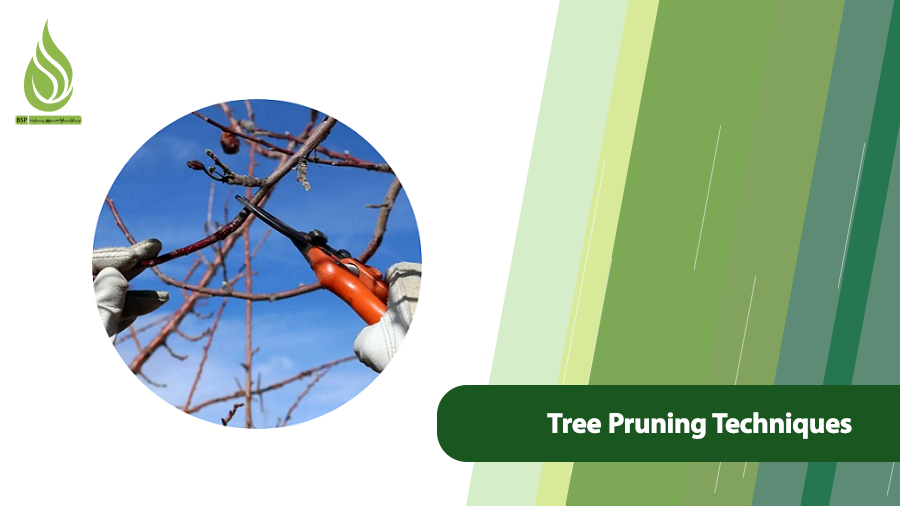
Tree pruning is an important part of orchard and garden management. Removing unhealthy, damaged, or overcrowded branches helps trees receive more sunlight, improves air circulation, and supports better growth. Pruning trees is an effective way to improve fruit yield and enhance the quality of the fruits. Proper pruning not only helps with better light exposure and air circulation but also reduces pests and diseases. However, many farmers and gardeners are still unfamiliar with effective tree pruning techniques. In this guide, we explain how to prune a tree, when to prune, which branches to remove, and common mistakes to avoid.
What Is Tree Pruning?
Tree pruning is the process of carefully removing selected branches from a tree to improve its structure, health, and future growth. Instead of cutting branches randomly, proper pruning focuses on removing parts of the tree that are damaged, unhealthy, overcrowded, or growing in the wrong direction. By controlling which branches remain, pruning helps create a stronger and more balanced tree structure. It allows sunlight to reach more parts of the canopy and improves air circulation between branches, which can reduce the risk of some diseases and support healthier growth.
For fruit trees, pruning is an important part of orchard management because it helps direct the tree’s energy toward productive branches. Removing unnecessary growth can improve flowering, fruit development, and the overall quality of the harvest. A well-pruned tree is not only easier to manage but also has a better chance of maintaining healthy growth for many years. However, effective pruning requires understanding the tree’s growth pattern, choosing the right time, and using the correct techniques to avoid unnecessary damage.
Why Is It Important to Know How to Prune a Tree?
Tree pruning is an essential practice for maintaining healthy, productive, and long-lasting trees. When done correctly, pruning helps trees develop a stronger structure, improves their growing conditions, and supports better fruit production. Removing unnecessary branches allows the tree to use its energy more efficiently and encourages healthier growth.
1. Creates a Healthier Tree Structure
One of the main purposes of pruning is to improve the overall structure of a tree. Removing weak, damaged, or poorly positioned branches reduces the risk of branch breakage and helps the tree develop a stronger framework. Proper pruning also helps young trees establish a balanced shape by guiding their growth from the beginning. A well-structured tree is usually easier to maintain and can better support future growth and fruit production.
2. Improves Sunlight Penetration
Dense tree canopies can prevent sunlight from reaching the inner parts of the tree. When too many branches grow close together, some leaves receive limited light, which can reduce photosynthesis and affect overall tree performance. Pruning opens the canopy and allows more sunlight to reach leaves, flowers, and developing fruit. Better sunlight exposure helps improve tree growth, supports fruit ripening, and creates a more productive canopy.
3. Helps Prevent Diseases
Overcrowded branches can reduce airflow inside the tree canopy and create a humid environment where some fungal diseases may develop more easily. Removing unnecessary branches improves air circulation and allows moisture to dry faster after rain or irrigation. Pruning also allows growers to remove dead, damaged, or infected branches before problems spread to healthier parts of the tree. Clean pruning cuts made with properly maintained tools are an important part of good tree health management.
4. Supports Better Fruit Production
For fruit trees, pruning plays an important role in balancing vegetative growth and fruit production. A tree with too many unnecessary branches may spend too much energy producing leaves and shoots instead of developing quality fruit. By removing excess growth and encouraging productive branches, pruning can improve flowering, fruit size, and harvest quality. Combined with proper irrigation, soil management, and a suitable nutrition program, regular pruning helps fruit trees remain productive and healthy over time.
When Is the Best Time to Prune a Tree?
Choosing the right time to prune a tree is just as important as using the correct pruning technique. Different tree species have different growth cycles, but in general, pruning should be done when it helps the tree recover quickly and encourages healthy new growth. For most fruit trees, the best time to prune depends on the tree’s age, the desired results, and the local climate. The two most common pruning seasons are winter and summer, each serving a different purpose.
How to Prune a Tree in Winter
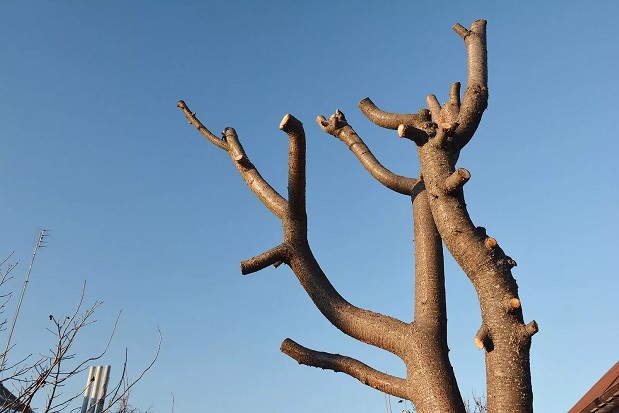
Winter is the preferred pruning season for many deciduous fruit trees because the trees are dormant and have shed their leaves. Without dense foliage, it is easier to see the tree’s structure and identify branches that should be removed. Winter pruning is mainly used for structural pruning, helping to develop a strong framework that supports future growth and fruit production. It is also the ideal time to remove dead, damaged, diseased, or crossing branches before the growing season begins. Pruning during dormancy encourages vigorous new growth in spring, making it especially beneficial for young trees that are still developing their shape. However, pruning should be avoided during periods of severe frost, as extremely low temperatures can damage freshly cut branches and slow the healing process.
How to Prune a Tree in Summer
Summer pruning is generally lighter than winter pruning and is mainly used to control excessive vegetative growth. Removing unwanted shoots and water sprouts helps prevent overcrowding and allows the tree to focus more of its energy on fruit development rather than producing unnecessary branches. This type of pruning also improves sunlight penetration and air circulation throughout the canopy, which can contribute to better fruit color, more even ripening, and easier harvesting.
Unlike winter pruning, summer pruning usually does not stimulate vigorous new growth. Instead, it helps maintain the tree’s size and shape while improving the balance between foliage and fruit production. Regardless of the season, always use clean, sharp pruning tools and avoid removing too much of the canopy at one time. As a general guideline, no more than 20–30% of a tree’s canopy should be removed during a single pruning session, as excessive pruning can stress the tree and reduce its productivity.
How to Prune a Tree Step by Step
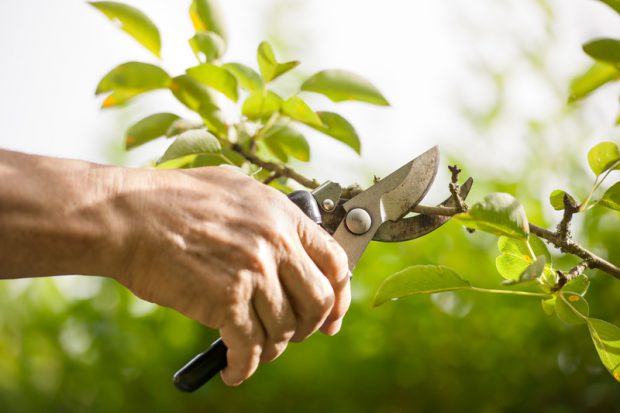
Pruning a tree correctly requires more than simply cutting away unwanted branches. It is important to know how to prune a tree before you do anything. Following the proper steps helps maintain the tree’s natural shape, encourages healthy growth, and reduces the risk of disease or long-term damage. Whether you are pruning a young fruit tree or maintaining a mature one, these basic steps will help you achieve better results.
Step 1: Prepare the Right Tools
Before you begin, make sure you have the proper pruning tools. Using clean, sharp equipment creates smoother cuts that heal more quickly and reduces the risk of spreading diseases between trees. Common pruning tools include:
- Pruning shears for small branches and shoots up to about 2 cm (¾ inch) thick.
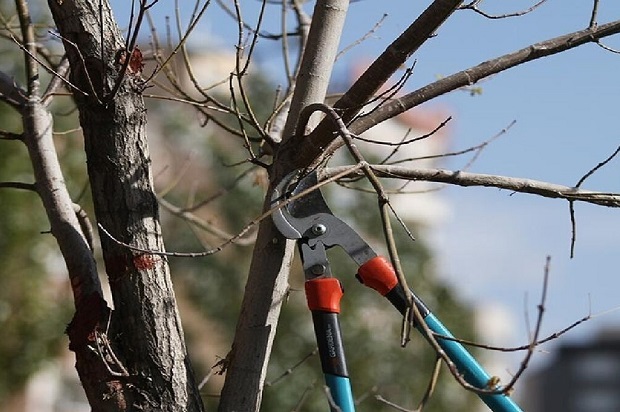
- Loppers for medium-sized branches that are too large for hand pruners.
- Pruning saw for thick or mature branches that require more cutting power.
Before and after pruning, disinfect your tools with a suitable cleaning solution, especially when working on diseased trees. This simple step helps prevent the spread of harmful pathogens throughout your orchard or garden.
Step 2: Remove Dead, Damaged, and Diseased Branches
Start by removing any branches that are dead, broken, diseased, or damaged by insects or storms. These branches no longer contribute to the tree’s health and may become entry points for pests and diseases. Cut each branch back to healthy wood or remove it completely at its point of origin without leaving long stubs. Clean cuts heal more efficiently and reduce unnecessary stress on the tree.
Step 3: Remove Crossing and Crowded Branches
Next, examine the tree’s structure for branches that cross, rub against each other, or grow toward the center of the canopy. These branches can create wounds through constant contact and block sunlight from reaching the inner parts of the tree. Choose the strongest and healthiest branch to keep, and remove the weaker or poorly positioned one. This improves the tree’s overall structure while reducing unnecessary competition for light and nutrients.
Step 4: Improve Airflow and Sunlight Inside the Canopy
A dense canopy can trap moisture and reduce air circulation, creating favorable conditions for certain fungal diseases. Carefully thin crowded areas by removing selected branches while maintaining the tree’s natural shape. Improved airflow allows leaves and branches to dry more quickly after rain or irrigation, while better sunlight penetration supports healthy foliage, flower development, and fruit quality. The goal is to create an open canopy without removing too much of the tree at once.
Step 5: Shape the Tree Carefully
The final step is to maintain or develop a balanced tree shape. Remove unwanted water sprouts, weak shoots, and branches that grow at awkward angles while preserving the tree’s main framework. Avoid excessive pruning, as removing too much of the canopy in a single season can weaken the tree and encourage excessive vegetative growth. As a general guideline, avoid removing more than 20–30% of the canopy during one pruning session. Regular, moderate pruning each year produces healthier trees and better long-term results than heavy pruning performed infrequently.
How to Prune a Fruit Tree
Fruit trees require a slightly different pruning approach than ornamental trees. It is important to know how to prune a fruit tree. The goal is not only to maintain a healthy structure but also to improve flowering, fruit development, and harvest quality. While pruning techniques vary depending on the species, the basic principles remain the same: remove unhealthy growth, improve light penetration, and create a balanced canopy.
Apple Trees
Apple trees are usually pruned during late winter while they are dormant. Begin by removing dead, damaged, and diseased branches, followed by any branches that cross or grow toward the center of the tree. Keeping the center of the canopy open allows better sunlight penetration and air circulation, both of which contribute to healthier growth and improved fruit production.
Young apple trees benefit from structural pruning that develops a strong framework, while mature trees should be pruned annually to maintain productivity and control excessive growth.
Peach Trees
Peach trees produce fruit on one-year-old wood, making regular annual pruning especially important. They are commonly trained into an open-center or vase shape, which allows sunlight to reach all parts of the canopy.
Remove old, weak, or overcrowded branches each winter and encourage the growth of healthy new shoots that will produce fruit during the following season. Proper pruning helps improve fruit size, color, and overall yield.
Citrus Trees
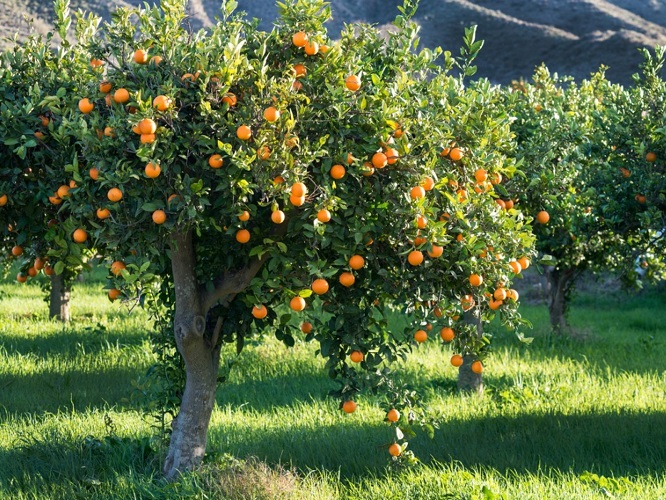
Unlike many deciduous fruit trees, citrus trees require only light pruning. Remove dead, damaged, or diseased branches whenever they appear, along with any shoots growing from the base of the trunk or below the graft union.
Heavy pruning is generally unnecessary and may reduce fruit production. Instead, focus on maintaining a balanced canopy and removing branches that interfere with healthy growth or restrict air movement.
Pomegranate Trees
Pomegranate trees naturally produce multiple stems and numerous suckers from their base. Regular pruning should include removing unwanted suckers and thinning crowded branches to improve airflow and light distribution.
Many growers train pomegranate trees to one or several main trunks, making future maintenance easier while encouraging better fruit quality and simplifying harvesting.
Fig Trees
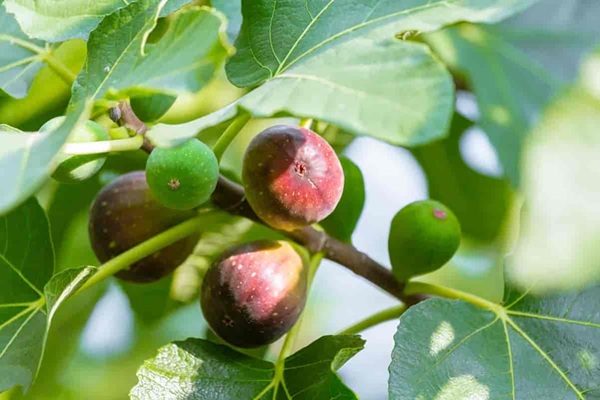
Fig trees usually require minimal pruning once they have developed a strong structure. During the dormant season, remove dead, damaged, or weak branches and thin crowded areas to improve light penetration.
Avoid excessive pruning, as figs can produce vigorous vegetative growth in response to heavy cuts. Moderate annual pruning helps maintain the tree’s shape while supporting consistent fruit production.
Although pruning methods differ among fruit tree species, the objective is always the same: develop a strong tree structure, improve sunlight and air circulation, remove unhealthy growth, and encourage high-quality fruit production for many growing seasons.
Types of Tree Pruning
Tree pruning can be divided into several categories, each with a specific purpose. Here’s an overview of the different types of tree pruning:
Branch Pruning
There are two main methods of branch pruning: topping and complete removal. Topping involves cutting off the end part of a main branch, while complete removal means taking the branch off entirely from the trunk. Complete removal typically targets weak, thin, or crooked branches. The goals of branch pruning include creating a proper structure for young trees, increasing fruit yield and quality, maintaining tree health, removing damaged branches, improving and restoring injured trees, controlling growth, enhancing light exposure, and stimulating the growth of side branches.
Flower and Fruit Pruning
When a tree produces too much fruit, it may not have enough energy to produce high-quality crops. In these cases, some farmers prune flowers and fruits to promote the growth of quality produce. This approach ensures that the tree has enough nutrients available for the fruits, allowing them to grow better.
Bark Pruning
This type of pruning usually takes place in early summer. Bark pruning involves making small wounds on the bark of branches or creating parallel scratches below the buds. Another method involves cutting a narrow ring of bark around the branch and placing it upside down in the same spot. This technique helps store growth hormones and carbohydrates within the branch, which can turn a barren branch fertile and strengthen a weak one over time.
Root Pruning
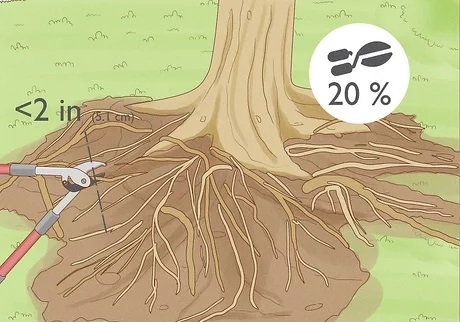
Root pruning is a type of pruning that is done less frequently. For this method, a circular area is created around the tree’s canopy, and the soil is dug down to a depth of about 30 to 45 centimeters. The extra roots, which are typically thin, weak, or unhealthy, are cut away. This process helps the tree focus its energy on growing the tree and its fruit, preventing excessive root growth.
Common Tree Pruning Mistakes to Avoid
Even with the right tools and good intentions, improper pruning can do more harm than good. Common mistakes can weaken trees, reduce fruit production, and increase the risk of diseases and pest problems. Understanding these errors can help you prune more effectively and maintain healthy, productive trees.
Pruning Too Much at Once
Removing a large portion of the canopy in a single pruning session is one of the most common mistakes. Heavy pruning places significant stress on the tree and often triggers excessive vegetative growth, known as water sprouts, instead of balanced development. As a general rule, avoid removing more than 20–30% of the canopy during one season. Regular annual pruning is much healthier than infrequent, aggressive cutting.
Cutting Healthy Branches Unnecessarily
Every branch plays a role in the tree’s growth and productivity. Removing healthy branches without a clear purpose can reduce the tree’s ability to produce energy through photosynthesis and may decrease future fruit production. Before making each cut, consider whether the branch is dead, damaged, diseased, crossing another branch, or preventing sunlight and air from reaching the canopy. If none of these conditions apply, the branch may not need to be removed.
Pruning at the Wrong Time of Year
The timing of pruning has a direct impact on how well a tree recovers. Pruning during periods of active growth or severe cold can stress the tree and delay healing. Different tree species also have different pruning requirements, so it is important to understand the best pruning season for each type of tree. For many deciduous fruit trees, dormant-season pruning during late winter is generally the preferred time for structural pruning, while light summer pruning is often used to control excessive growth.
Using Dirty or Dull Tools
Pruning tools should always be clean, sharp, and well-maintained. Dull blades can crush branches instead of making clean cuts, creating larger wounds that take longer to heal. Dirty tools may also spread diseases from one tree to another. Cleaning and disinfecting pruning equipment before and after use is a simple but important practice that helps protect tree health.
Leaving Damaged or Improper Cuts
Poor pruning cuts can slow the healing process and create entry points for pests and diseases. Leaving long branch stubs or tearing the bark while removing large branches can weaken the tree and increase the risk of decay. Always make clean cuts just outside the branch collar—the swollen area where the branch joins the trunk or a larger branch. This allows the tree to seal the wound naturally and recover more efficiently.
By avoiding these common mistakes and following proper pruning techniques, you can improve tree health, encourage stronger growth, and achieve better fruit production year after year.
Important Tips on How to Prune a Tree
Tree pruning is a delicate process that requires care, knowledge, and experience. Here are some key points to keep in mind, if you’re not sure how to prune a tree:
- Understanding Your Tree: Each type of tree has specific methods and timing for pruning. Familiarizing yourself with the characteristics of your tree will help you choose the best pruning approach.
- Use Proper Tools: It’s essential to use sharp, standard pruning shears and saws. Sharp tools minimize damage to the tree’s tissue and create clean cuts.
- Sanitize Your Tools: Before you start, make sure to disinfect your tools to prevent the spread of diseases.
- Choosing the Right Tool: For small to medium branches, use pruning shears. For larger branches, opt for a handsaw or a power saw to make the job easier.
- Seal Cuts: After pruning, consider covering the cut areas with a protective substance like tree wound dressing to prevent contamination.
- Remove Damaged Parts: During sanitary pruning, removing dead, diseased, or damaged branches helps keep the tree healthy and prevents disease spread.
- Maintain Natural Structure: Pruning should be done in a way that preserves the tree’s natural shape. Aim to shape the tree in a balanced and aesthetically pleasing manner.
- Avoid Heavy Pruning: Excessive pruning can harm the tree and reduce its fruit yield. Always prune cautiously and only as much as necessary.
- Consider Other Factors: Keep in mind that pruning alone won’t guarantee improved productivity. To enhance fruit quality and yield, factors like fertilization, proper watering, favorable weather conditions, and disease control must also be considered.
- Timing for Young Trees: After planting seedlings, they may not require pruning for some time. The timing for pruning will depend on the type of seedling and the growth status of its branches. Consult experienced farmers to determine the best pruning time based on your local climate and the specific needs of your seedlings.
By following these tips, you’ll help ensure your trees remain healthy and productive!