Ammonium Sulfate MSDS/SDS: What Buyers Should Check
Before you buy or import a fertilizer, you usually ask about price, grade, and packaging. You should also ask for the ammonium sulfate MSDS. This document shows how the product is identified, what hazards it carries, how to store it, and what to do in an emergency. Customs teams, warehouse managers, and compliance staff often ask for it first. Too many buyers simply file the document away. A better habit is to read it and compare it with your purchase terms. This guide explains how to read an ammonium sulfate MSDS, what each section means, and what to check before you import.
What Is an Ammonium Sulfate MSDS/SDS?
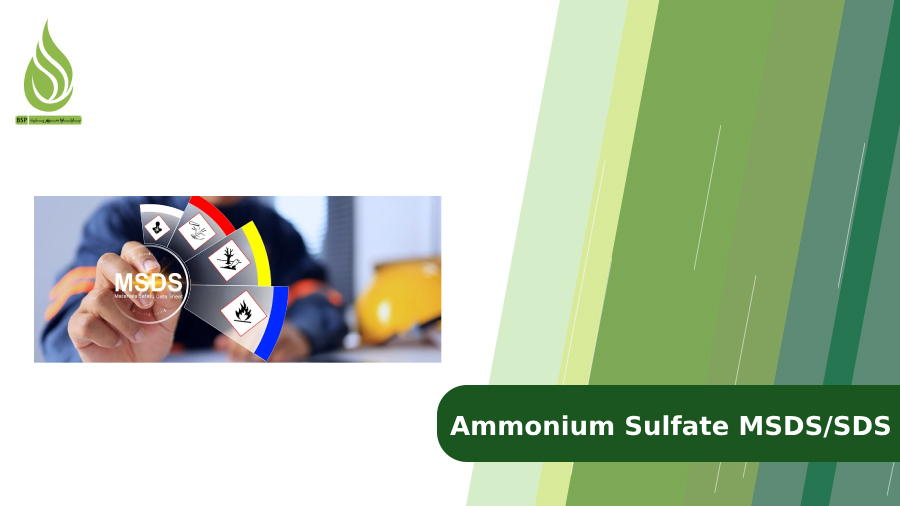
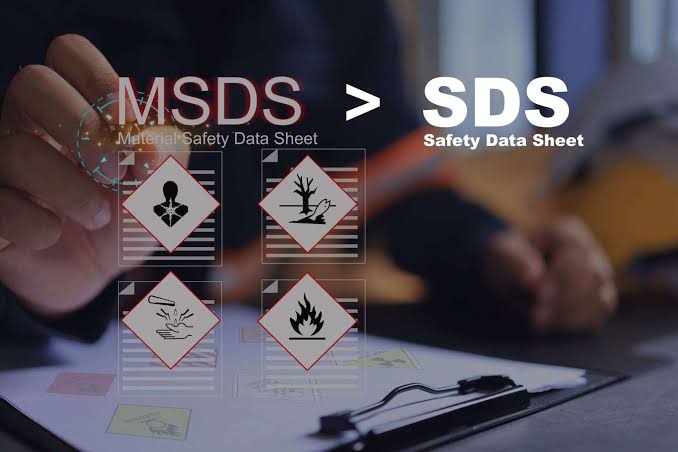
MSDS stands for Material Safety Data Sheet. That is the older term. SDS stands for Safety Data Sheet, which is the current term in many regulatory systems, including those based on the Globally Harmonized System (GHS). The two are not different documents. An SDS is the updated, standardized version of what used to be called an MSDS.
Many buyers still search for “ammonium sulfate MSDS” or “ammonium sulfate MSDS sheet,” especially in markets where the old name never went away. That is why suppliers, including Barsava, use both terms. If you ask for an ammonium sulfate MSDS, you should receive the current ammonium sulfate SDS. In practice, it is the same request.
You may also see the document called an ammonium sulfate safety data sheet. Most suppliers send it as a file, so buyers often search for an ammonium sulfate SDS PDF. For fertilizer trade, the terms “fertilizer SDS” and “fertilizer safety data sheet” are also common. Whatever the name, the purpose is the same: it gives you ammonium sulfate safety data in a standard format.
What Information Does an Ammonium Sulfate SDS Contain?
A modern Safety Data Sheet has 16 sections. You do not need to memorize them, but you should know which ones matter most to a buyer. Here is how an ammonium sulfate SDS usually reads, section by section.
1. Product Identification
This section covers chemical identification. It lists the product identifier, which is the name used on the label and in the supplier’s catalog. Check these items:
- Product name and chemical name (ammonium sulfate)
- The ammonium sulfate CAS number, which is CAS 7783-20-2
- Recommended use, such as fertilizer or industrial use
- Manufacturer or supplier name, address, and emergency phone number
The supplier details matter more than many buyers realize. If the SDS names a different company than the one selling to you, ask why.
2. Hazard Identification
This section gives ammonium sulfate hazard information. It shows the GHS classification, label elements, and any warning statements. Many ammonium sulfate SDS documents describe the product as having low hazard under standard classification systems, though some list mild irritation or an environmental note. Classification can vary by supplier and region, so read this section instead of assuming.
3. Composition
The composition section lists the substance and its CAS number, plus any impurities that must be reported. Buyers should keep one point clear: this section describes chemical identity, not commercial quality. It confirms that the product is ammonium sulfate. It does not confirm nitrogen content, sulfur content, moisture, or granule size. Those belong in the product specification.
4. First Aid Measures
This section explains what to do after eye contact, skin contact, inhalation, or ingestion. For dust exposure, it usually advises moving to fresh air and rinsing eyes or skin with water. Your safety team should be able to follow these steps without any special equipment.
5. Firefighting Measures
Ammonium sulfate does not burn easily, but heat can cause it to decompose. The firefighting section lists suitable extinguishing media and warns about hazardous decomposition products. These may include ammonia, sulfur oxides, and nitrogen oxides. It also describes protective equipment for firefighters.
6. Accidental Release Measures
This section tells your warehouse team how to handle spills. It usually recommends avoiding dust, collecting the material mechanically, and keeping it out of drains and waterways. It is worth reading before the first shipment arrives, not after a bag splits.
7. Handling and Storage
This is the most practical section for operators. Ammonium sulfate handling and storage guidance often includes keeping the product dry, using closed or well-sealed packaging, avoiding contact with incompatible materials, and keeping good ventilation where dust is present. Compare these instructions with your actual warehouse conditions. If your site is humid, for example, ask how the supplier packs the product.
This section also connects to exposure controls and personal protective equipment. Look for recommended gloves, eye protection, and dust masks, as well as any occupational exposure limits the supplier lists.
8. Physical and Chemical Properties
Here you will find appearance, odor, solubility, melting or decomposition behavior, and pH. Check that the physical form matches what you ordered. A supplier that ships crystalline ammonium sulfate should describe white or off-white crystals, not a different form.
9. Stability and Reactivity
This section says whether the product is stable under normal conditions and what to avoid. For ammonium sulfate, it commonly mentions that strong bases can release ammonia and that strong oxidizers should be kept away. This helps you plan storage layouts, especially in shared warehouses.
10. Toxicological and Ecological Information
The toxicological information summarizes health effects, usually in terms of acute exposure. The ecological information covers environmental effects, such as impact on water. Fertilizers can contribute to nutrient loading, so this section is worth a quick read if you handle large volumes near sensitive areas. The disposal guidance, usually in Section 13, tells you how to dispose of waste material and empty packaging.
11. Transport Information
This section covers ammonium sulfate transport information. It shows whether the product is classified as dangerous goods under road, sea, or air rules. Many ammonium sulfate SDS documents state that the product is not regulated for transport, but you should confirm that for your route and your supplier’s version. Logistics and customs professionals should always check this section against the shipping documents.
12. Regulatory Information
The regulatory section lists chemical inventories and regional rules that apply to the product. It helps you see whether the substance is listed in the market where you will import or sell it. If you are unsure, ask your supplier and your customs broker.
In short, an SDS supports ammonium sulfate chemical safety across the whole supply chain, from the factory to the field.
MSDS vs COA: What Is the Difference?
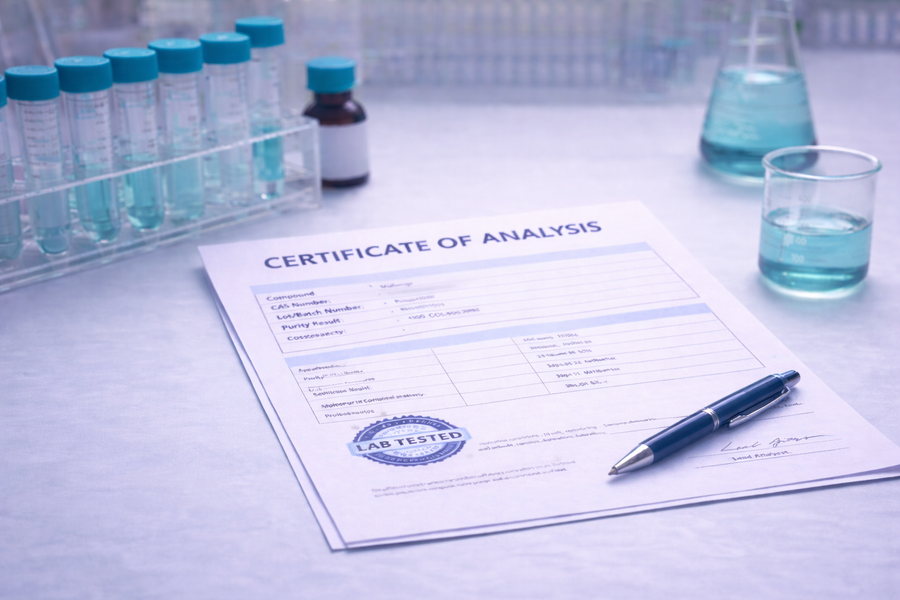
Buyers often mix up these two documents, but they answer different questions.
- SDS/MSDS: safety and hazard information. It tells you how to handle, store, and transport the product safely.
- COA (Certificate of Analysis): batch or product quality and analytical results. It tells you what a specific lot actually contains.
An ammonium sulfate MSDS will not tell you the nitrogen percentage of your shipment. A COA will not tell you what to do after a spill. They are not interchangeable, and a serious import file contains both. If you want to learn how to read the quality document, see our guide to the ammonium sulfate COA. Using the two together gives you a full picture: safety on one side, quality on the other.
What Should Buyers Check Before Importing Ammonium Sulfate?
Before you place an order, use the SDS as a checklist tool. Here is what to verify:
- Product identity. The product name and chemical name should match your purchase order.
- CAS number. Confirm CAS 7783-20-2. You can also review the CAS number and HS code together, since customs paperwork often uses both.
- Grade. The SDS describes the substance, so make sure the grade is confirmed in your specification.
- Intended use. Check that the recommended use covers your purpose, such as agricultural use.
- Physical form. Confirm that the described form (for example, crystalline or granular) matches what you are buying.
- Handling requirements. Make sure your team can follow the handling advice and has the right protective equipment.
- Storage requirements. Compare the instructions with your warehouse conditions, especially humidity and ventilation.
- Transport classification. Check it against your route and shipping documents.
- Supplier information. The manufacturer or supplier should be clearly named, with working emergency contact details.
- Applicable regulations. Confirm that the product meets the rules in your destination country.
- Consistency with the purchase specification. The SDS, the specification, and the COA should all describe the same product.
Also check the revision date. An old document may not reflect current rules. If your product is packed for long-distance shipping, you may also want to review ammonium sulfate export packaging so that the packaging described in the SDS matches what arrives at your port. If anything looks inconsistent, ask the supplier before shipping, not after the goods arrive.
Does an SDS Replace a COA or Product Specification?
No. An ammonium sulfate SDS does not replace a COA or a product specification. The SDS is a safety document. It helps you handle and transport the product responsibly. The COA proves the quality of a particular batch. The product specification defines what quality you agreed to buy. Each one has its own job, and none can stand in for the others.
For example, if you are buying a standard fertilizer grade, you still need the specification to confirm nitrogen and sulfur content. Our guide on the ammonium sulfate 21-24 specification explains what that grade means for buyers and what to compare against your COA.
Final Thoughts
An ammonium sulfate MSDS is more than a formality. Read carefully, it helps you confirm product identity, plan safe storage, avoid transport problems, and prepare your team for emergencies. Check it together with the COA and the product specification, and you will have a far stronger basis for any purchase or import decision. When you request documents from Barsava or any other supplier, ask for the current SDS, the COA, and the specification at the same time. That way, your safety, quality, and commercial records all match from the start.