Post-Harvest Handling of Fruits and Vegetables: Practical Ways to Reduce Losses
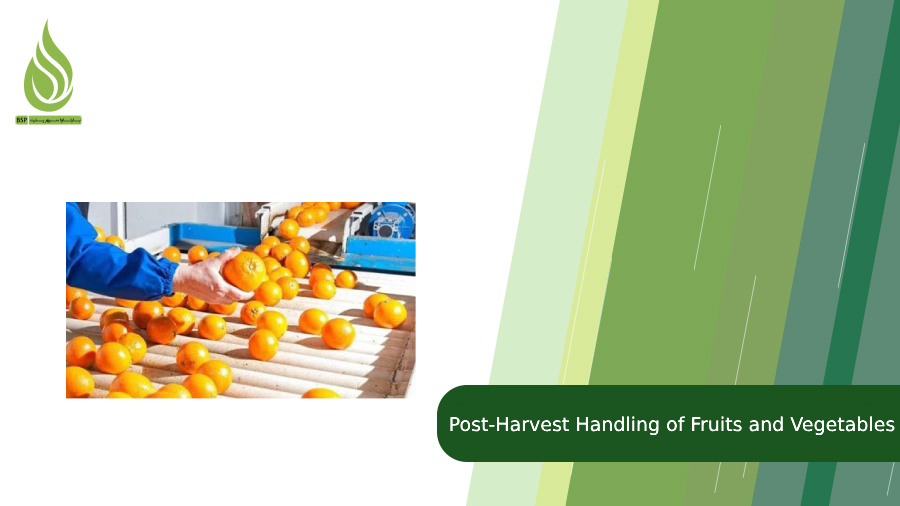
Growing a good crop is only half the job. Once fruits and vegetables are picked, they begin to deteriorate, and the way they are handled in the next hours and days decides how much reaches the market in good condition. This guide explains why produce spoils and how post-harvest handling of fruits and vegetables can protect quality, extend shelf life, and cut waste. It covers the steps after picking, from sorting to transport.
What Are Post-Harvest Losses?
Post-harvest losses are the quantity and quality of produce lost between harvest and the consumer. They include produce that is discarded, downgraded, or sold at a lower price because of damage, decay, or shriveling. Losses also include nutritional decline, which is harder to see but still reduces value. Supply chain losses happen at every stage: in the field, at the packing shed, in storage, during transport, and at markets. Losses tend to be higher where cold storage and good roads are limited, but even well-equipped operations lose produce when handling is careless. The good news is that many losses are preventable with simple, low-cost practices.
Why Fruits and Vegetables Deteriorate After Harvest
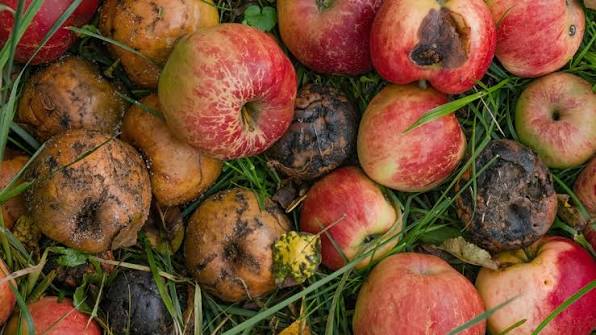
Harvested produce is still alive. It keeps breathing, losing water, and aging. Understanding these processes is the foundation of agricultural produce handling. Five of them drive most of the decline:
- Respiration rate: Produce burns its stored sugars and gives off heat. A higher respiration rate means faster aging.
- Transpiration: Water evaporates through the skin, causing moisture loss, wilting, and shriveling.
- Ethylene production: This natural gas speeds ripening and senescence, and it can damage nearby ethylene-sensitive produce.
- Mechanical damage: Cuts, bruising, and compression open the door to decay and speed up water loss.
- Microbial contamination: Bacteria, molds, and yeasts cause food spoilage, especially on damaged or warm produce.
| Factor | Effect on storage life | How to manage it |
|---|---|---|
| Temperature | Higher temperatures speed respiration and decay | Cool quickly and avoid breaks in the cold chain |
| Relative humidity | Low humidity causes wilting, while very high humidity can encourage mold | Match humidity to the product |
| Ethylene | Accelerates ripening and yellowing | Separate sensitive produce and ventilate |
| Physical damage | Creates entry points for decay | Handle gently and use proper packaging |
| Maturity at harvest | Affects ripening, quality, and storage potential | Harvest at the right stage |
| Sanitation | Controls microbial load | Clean tools, containers, and storage areas |
Harvest at the Correct Maturity Stage
Post-harvest quality management begins in the field. Produce picked too early may never develop good flavor, while overripe produce has a short shelf life. Some crops, such as tomatoes and bananas, continue to ripen after picking, so they can be harvested at a mature but firm stage. Others, such as citrus and most leafy vegetables, do not improve after harvest and should be picked when ready. Pick during the cooler hours of the day when possible, because field heat shortens storage life. Use clean, sharp tools and sturdy, clean containers, and keep harvested produce in the shade.
Sorting and Grading Produce
In post-harvest handling of fruits and vegetables, sorting and grading remove damaged, diseased, or overripe items before they can affect the rest. One rotting fruit can spread decay and release ethylene in a box or storage room. Grading by size, color, and quality also helps you match produce to the right market and storage plan, and uniform lots usually fetch better prices. Sort as early as possible, preferably before packing and cooling.
Preventing Mechanical Damage
Mechanical damage is one of the most common and preventable causes of loss. Even small bruises can lead to decay and faster water loss. To reduce it:
- Handle produce gently and avoid dropping or throwing it.
- Do not overfill containers, since pressure crushes the bottom layer.
- Use smooth, padded surfaces and containers without sharp edges.
- Train workers on careful picking, loading, and unloading.
- Avoid long drops during packing and transfers.
These steps matter for how to reduce fruit losses and how to reduce vegetable losses alike, since soft fruit bruises easily and leafy vegetables tear and wilt.
Temperature and Humidity Management
Temperature management is the single most powerful tool in fruit and vegetable post-harvest management. Lower temperatures slow respiration, reduce decay, and extend shelf life. But no single temperature suits every crop. Some produce is sensitive to chilling and can suffer damage in storage conditions that would be ideal for others.
| Produce type | Typical storage needs |
|---|---|
| Leafy vegetables | Cool, high humidity, quick cooling after harvest, very perishable |
| Tomatoes | Chilling-sensitive, so avoid storage that is too cold. Ripen at moderate temperatures |
| Citrus fruits | Moderate storage and good ventilation, with some tolerance for longer storage |
| Bananas | Chilling-sensitive, ethylene-responsive, and ripened under controlled conditions |
These are general patterns. Always check recommendations for your specific crop and variety. Fruit storage and handling should be planned fruit by fruit, and vegetable storage practices follow the same rule, because a leafy green and a tomato should not share conditions. Relative humidity matters as much as temperature. Humidity that is too low causes moisture loss, while humidity that is too high can encourage mold and rot. Good airflow helps keep conditions even.
Cooling and Cold-Chain Management
Precooling removes field heat quickly, and it is one of the most effective ways of reducing post-harvest losses. Common methods include room cooling, forced-air cooling, and hydrocooling, and the right choice depends on the crop and your equipment.
After cooling, keep produce cold. The cold chain is a continuous series of cooled steps from packing through transport, storage, and retail. A single break, such as leaving produce in the sun on a loading dock, can undo much of the benefit. Avoid temperature swings, which can cause condensation and encourage decay. Where refrigeration is unavailable, shade, ventilation, evaporative cooling, and early-morning transport can help. Together with sound packaging and sanitation, these form the core post-harvest preservation methods used by most growers.
Suitable Packaging and Transportation
Packaging is a key part of post-harvest handling of fruits and vegetables. Packaging materials protect produce from damage and help control moisture. Ventilated crates and cartons allow airflow, while liners or films can reduce water loss for some crops. Choose packaging strong enough to withstand stacking, and avoid mixing products with different storage needs or ethylene sensitivity.
Transport management is just as important. Load carefully, do not overpack, and secure containers so they do not shift. Keep vehicles clean and, when possible, refrigerated or at least shaded and ventilated. Shorten travel times and avoid delays at loading points, since time and heat both reduce shelf life.
Hygiene and Contamination Prevention
Good hygiene protects both produce quality and food safety. Wash hands and tools, clean containers and storage areas regularly, and use clean water for washing produce. Keep produce off the ground, away from pests, and apart from chemicals or waste. Remove rotting material promptly. These simple steps reduce microbial contamination and limit the spread of decay.
Common Post-Harvest Handling Mistakes
Most failures in post-harvest handling of fruits and vegetables come from a short list of avoidable errors:
- Harvesting during the hottest part of the day.
- Leaving produce in the sun before cooling.
- Using one storage temperature for every crop.
- Storing ethylene-producing fruit next to sensitive vegetables.
- Skipping sorting, so damaged items spoil the rest.
- Using dirty crates or overfilled containers.
- Allowing breaks in the cold chain.
Practical Strategies for Reducing Losses
Post-harvest handling of fruits and vegetables works best as a system, and good post-harvest handling practices reinforce one another. A simple plan looks like this:
- Harvest correctly at the right maturity and time of day.
- Handle gently to prevent bruising and cuts.
- Sort and grade immediately to remove damaged produce.
- Cool quickly and maintain the cold chain.
- Match storage conditions to each crop’s needs.
- Pack and transport carefully with suitable materials.
- Keep everything clean to limit contamination.
- Measure and improve by tracking where losses occur.
Conclusion
Effective post-harvest handling of fruits and vegetables protects the work and investment that went into growing the crop. By harvesting at the right stage, handling produce gently, controlling temperature and humidity, and keeping the cold chain intact, growers and handlers can extend shelf life and reduce waste. We also suggest you take a look at our guide to why plants stop growing if you need more information on this matter.