
How to Read an Ammonium Sulfate COA: A Buyer’s Guide
An ammonium sulfate COA, or Certificate of Analysis, is a batch-specific quality document showing the laboratory test results of a specific production run against agreed specification limits. For a buyer, it’s the fastest way to verify nitrogen content, sulfur content, moisture, and purity before committing to a bulk order; without it, you’re buying on trust alone.
What Is an Ammonium Sulfate COA?
An ammonium sulfate COA is a document issued by the manufacturer’s quality control laboratory that reports the actual test results for a specific production batch. It’s not a marketing brochure, and it’s not a generic product description; it’s tied to one batch number, produced on a specific date, and it reflects what that particular lot of material actually measured out to when tested.
This distinction matters more than most first-time buyers realize. A supplier’s website or technical data sheet might list “typical” nitrogen and sulfur content, but that’s an average or a target range, not a guarantee for the exact tons you’re about to load onto a vessel. The COA is the document that ties those numbers to your specific shipment. When someone asks what an ammonium sulfate COA is, the short answer is: it’s proof, not promotion.
What Information Is Included in an Ammonium Sulfate COA?
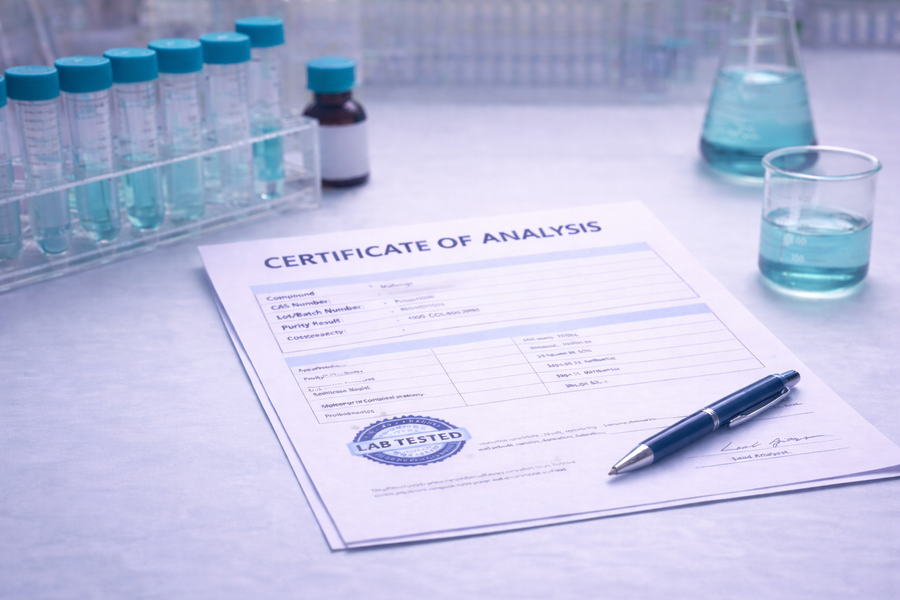
A properly formatted ammonium sulfate COA should include the following elements. If any of these are missing, that’s a reasonable basis to ask your supplier for a revised document before proceeding.
- Manufacturer name and production facility. Confirms which plant actually produced the batch.
- Batch or lot number. The unique identifier tying this document to a specific production run.
- Production date. Tells you how fresh the batch is relative to your shipping timeline.
- Product name and grade. Specifies whether the batch is crystalline ammonium sulfate or granular ammonium sulfate, since the two grades carry different physical characteristics.
- Test parameters and results. Typically nitrogen (N%), sulfur (S%), moisture content, free acidity, particle size (for granular product), and sometimes heavy metal content or other purity indicators, depending on the buyer’s specification.
- Specification limits. The acceptable range for each parameter, so you can see at a glance whether the tested result falls within spec.
- Testing method or standard referenced. Many buyers expect results tested against a recognized method, which supports consistency when comparing COAs across different shipments or suppliers.
- Authorized signature and QC stamp. Confirms the document was issued and approved by the manufacturer’s quality control department, not generated informally.
Every one of these fields exists for a reason. A quality certificate missing the batch number, for example, is essentially disconnected from any specific shipment; it tells you nothing about the material actually being loaded for you.
How to Check Nitrogen and Sulfur Content on the COA
Nitrogen and sulfur content are the two numbers most buyers look at first, and for good reason: they’re the core value drivers of the product. Standard fertilizer-grade ammonium sulfate typically specifies around 21% nitrogen and 24% sulfur, though exact figures vary slightly by manufacturer and production process.
When reviewing an ammonium sulfate COA, look for these values listed as tested results, not just as a specification range. The document should show something like “N: 21.1%” and “S: 24.3%” as the actual measured figures for that batch, sitting next to the specification limits (for example, “Min 21.0% N” and “Min 24.0% S”). If the tested result meets or exceeds the agreed specification limits, the batch has passed that particular quality check.
It’s worth comparing this against a reference like ammonium sulfate 21-24, which is the standard grade notation used across the industry, so you know what you’re benchmarking the COA results against. If a COA shows nitrogen or sulfur content noticeably below the agreed minimum, that’s a red flag worth raising with the supplier before the shipment proceeds, not after it clears customs.
What Does the Batch Number on an Ammonium Sulfate COA Mean?
The batch number (sometimes called a lot number) identifies the specific production run that the material in your shipment came from. This single detail is what makes a COA useful as a verification tool rather than just paperwork.
Here’s why it matters in practice: if a dispute arises later- say, the product caked unexpectedly during transit, or a downstream test shows different results than the original COA- the batch number lets both parties trace the issue back to a specific production run, its exact testing conditions, and the manufacturer’s internal QC records for that lot. Without a batch number, there’s no way to confirm that the COA you were handed actually corresponds to the material in your container or vessel hold.
Buyers should also confirm that the batch number on the COA matches the batch number marked on the bags, jumbo bags, or bulk shipment documentation. A mismatch here, even an innocent clerical one, undermines the entire purpose of the document.
How to Compare the COA With the Product Specification
A COA is only useful if you compare it against something. That “something” is your agreed product specification, the document (often part of the sales contract or purchase order) that defines the exact parameters and acceptable ranges you and the supplier agreed to before the order was placed.
The comparison process is straightforward in principle:
- Pull up your agreed specification (nitrogen minimum, sulfur minimum, moisture maximum, particle size range if applicable, and any other agreed parameters).
- Line up each parameter against the corresponding tested result on the COA.
- Confirm every tested result falls within the specification limits, not just the headline nitrogen and sulfur numbers, but moisture, particle size, and any additional parameters you negotiated.
- Flag any values that fall outside spec, even slightly, and raise it with the supplier before shipment or payment finalization, depending on your contract terms.
This is also a good moment to double check which grade you actually ordered. If your contract calls for crystalline ammonium sulfate but the COA lists granular product, or vice versa, that’s a specification mismatch regardless of how good the nitrogen and sulfur numbers look. Buyers deciding between grades in the first place may find it useful to review crystalline vs granular ammonium sulfate before finalizing a specification, since the right grade depends on how you intend to use or blend the product downstream.
COA vs SDS vs Technical Data Sheet: What’s the Difference?
These three documents get confused often, but they serve entirely different purposes:
| Document | Purpose | Batch-Specific? |
|---|---|---|
| Certificate of Analysis (COA) | Reports actual laboratory test results for a specific production batch | Yes |
| Safety Data Sheet (SDS / MSDS) | Describes handling, storage, and safety hazards of the product generally | No |
| Technical Data Sheet (TDS) | Describes typical/expected product characteristics and general specifications | No |
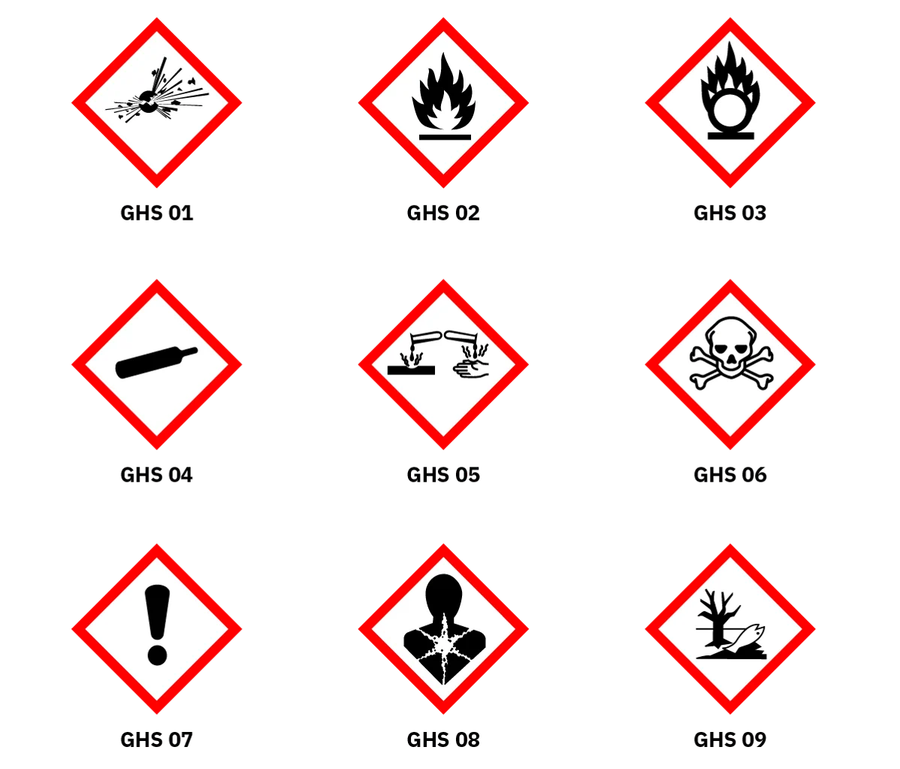
An SDS (also called an MSDS) tells you how to handle the product safely, what protective equipment to use, how to store it, and what to do in case of a spill or exposure. It has nothing to do with the nutrient content of a specific batch. A technical data sheet describes the product in general terms, typical N-S content, typical particle size, typical packaging, as a reference document, not a batch-verified result.
The ammonium sulfate COA is the only one of the three that’s tied to an actual, tested production batch. If a supplier sends you a technical data sheet and calls it a “certificate of analysis,” that’s worth clarifying before you rely on it for a bulk purchase decision.
What Should Buyers Check Before Ordering Bulk Ammonium Sulfate?
Before finalizing a bulk order, run through this checklist:
- Does the supplier provide a COA for every batch, not just a general product specification?
- Does the batch number on the COA match the batch marked on the physical shipment?
- Do nitrogen, sulfur, and moisture results fall within your agreed specification limits?
- Is the product grade on the COA (crystalline or granular) the grade you actually ordered?
- Is the COA signed and stamped by an identifiable quality control authority at the manufacturing facility?
- Does the supplier offer independent third-party testing on request, for buyers who want additional assurance beyond the manufacturer’s internal QC?
Buyers who skip this step and rely only on a supplier’s general marketing claims about ammonium sulfate quality are taking on more risk than necessary, especially for first-time or large-volume orders.
Can a COA Guarantee the Quality of Every Shipment?
Not entirely, and it’s important to be realistic about this. A COA reflects test results for the specific batch it references, at the time it was tested; typically at or shortly after production. It doesn’t account for what happens to the product afterward: moisture exposure during storage, contamination during transit, or degradation from a packaging failure mid-voyage.
This is why COAs work best as one part of a broader quality assurance approach rather than a standalone guarantee. Reputable buyers often pair the manufacturer’s COA with pre-shipment inspection, and in some cases, independent laboratory testing at the port of loading or destination. For high-value bulk orders, this extra verification step is a small cost relative to the risk of an entire shipment failing spec after a multi-week ocean transit.
Why Is a COA Important for International Ammonium Sulfate Buyers?
For international buyers, the COA carries extra weight because there’s usually no opportunity to physically inspect the product before it ships. You’re relying on documentation to verify quality across a supply chain that spans production, packaging, port loading, ocean freight, and customs clearance, often with weeks between order confirmation and delivery.
A clear, batch-specific COA also supports customs clearance in many destination markets, where import authorities may request documentation confirming the product’s composition and grade. It’s worth aligning this expectation with how your shipping terms are structured; whether you’re buying under FOB, CFR, or CIF terms affects who’s responsible for the product at each stage, but the COA itself should accompany the shipment regardless of which term applies.
For buyers sourcing from a specific, established manufacturer, the COA also becomes part of a longer track record. Reviewing COAs across multiple orders from the same supplier- for example, checking consistency across shipments of BARNO crystalline ammonium sulfate– gives a much clearer picture of a supplier’s actual quality consistency than any single COA or marketing claim on its own.

Frequently Asked Questions
An ammonium sulfate COA, or Certificate of Analysis, is a document showing the laboratory test results for a specific production batch, compared against agreed specification limits for nitrogen, sulfur, moisture, and other quality parameters.
A complete COA should include the manufacturer name, batch number, production date, product grade, tested results for each specification parameter, the specification limits themselves, the testing method used, and an authorized QC signature or stamp.
A COA reports actual test results for a specific production batch and is used to verify product quality. An SDS (Safety Data Sheet) describes general handling, storage, and safety information for the product and is not batch-specific.
Look for the tested nitrogen (N%) and sulfur (S%) results listed alongside the agreed specification limits, for standard fertilizer-grade ammonium sulfate, these are typically around 21% N and 24% S. Confirm the tested values meet or exceed the specified minimums.
The batch number ties the COA to a specific production run, allowing both buyer and supplier to trace any quality issue back to the exact material tested. It should always match the batch number marked on the physical shipment.