
FOB vs CFR vs CIF: Understanding Incoterms When Importing Ammonium Sulfate Fertilizer from Iran
When buying fertilizer internationally, FOB, CFR, and CIF determine who arranges major transportation, which costs are included in the quotation, and when transport risk transfers from the seller to the buyer. For buyers purchasing ammonium sulfate from Iran, understanding these terms is essential because two quotations with different delivery terms may not represent the same total cost. Let’s see what the ammonium sulfate FOB, CFR, or CIF price is.
What Are Incoterms and Why Do They Matter When Buying Fertilizer?
Incoterms are internationally recognized trade rules published by the International Chamber of Commerce (ICC). They define key responsibilities between the seller and buyer, including delivery, transportation, export clearance, certain costs, and the point at which the risk of loss or damage transfers. FOB, CFR, and CIF are Incoterms designed for sea and inland waterway transport.
For fertilizer imports, this matters because the price shown on a commercial quotation is not always the complete cost of getting the cargo to your facility. For example, an Iranian exporter may quote ammonium sulfate on an FOB basis at the port of loading. Another supplier may quote ammonium sulfate CFR to your destination port. A third may offer CIF, which includes marine insurance as well as freight. These prices cannot be compared directly until you understand what each quotation includes.
A buyer should therefore look at three things together:
- Product price: the price of the ammonium sulfate itself
- Shipping costs: including ocean freight and applicable freight charges
- Risk and insurance: who is responsible for the cargo at each stage of transport
For bulk fertilizer shipments, these differences can have a meaningful effect on the final landed cost.
What Does FOB Mean for Ammonium Sulfate?
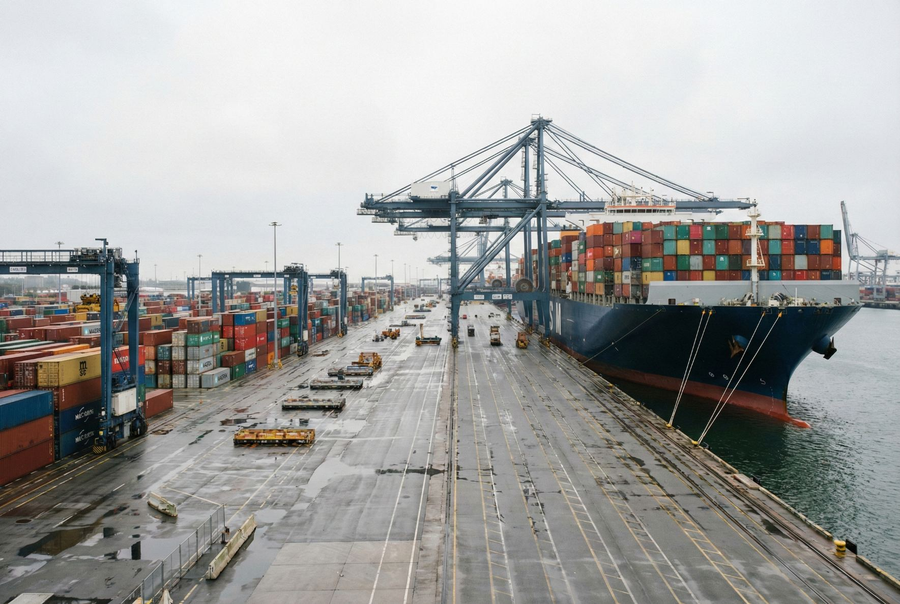
FOB stands for Free On Board. Under FOB, the seller delivers the goods on board the vessel nominated by the buyer at the named port of shipment. Risk transfers to the buyer once the goods are on board the vessel. From that point, the buyer is responsible for the costs and risks covered by the rule. For an ammonium sulfate exporter in Iran, an FOB quotation may therefore look like:
Ammonium Sulfate: FOB Bandar Abbas: In this example, Bandar Abbas is the named port of loading. The seller handles the required export-side obligations and delivers the cargo on board the vessel. The buyer then arranges and pays for the main ocean freight and normally handles cargo insurance separately.
This is one reason an ammonium sulfate FOB price can look attractive compared with a CFR or CIF quotation. The international freight is not included in the product price quoted under FOB. FOB can be useful for experienced fertilizer importers that have their own freight arrangements, preferred shipping lines, or access to competitive freight rates. However, the buyer needs to obtain a realistic freight quotation before deciding that an FOB offer is cheaper.
What Does CFR Mean for Fertilizer Imports?

CFR means Cost and Freight.
Under CFR, the seller arranges and pays for the ocean freight needed to transport the cargo to the named destination port. However, the risk of loss or damage transfers to the buyer when the goods are delivered on board the vessel at the port of shipment.
For example:
Ammonium Sulfate, CFR Karachi: Here, the Iranian exporter arranges the ocean transportation to Karachi and includes the freight cost in the quotation. The important point is that CFR does not mean the seller carries the transport risk until the cargo reaches Karachi. Under the Incoterms rule, risk transfers when the cargo is on board the vessel at the port of loading.
The buyer is also responsible for marine insurance under CFR because the seller has no obligation to purchase insurance for the buyer. For a buyer comparing an ammonium sulfate CFR quotation with an FOB quotation, the key difference is therefore who arranges and pays the main freight.
What Does CIF Mean for Ammonium Sulfate?

CIF stands for Cost, Insurance and Freight. CIF works similarly to CFR in that the seller arranges and pays the freight to the named destination port. The additional element is marine insurance. Under CIF, the seller must obtain insurance cover for the buyer’s risk during the carriage. For example: Ammonium Sulfate, CIF Karachi: The quotation includes:
- The ammonium sulfate cargo
- Export-side costs covered by the seller
- Ocean freight to Karachi
- The insurance required under CIF
However, buyers should pay attention to the level of insurance. Under Incoterms 2020, CIF generally requires minimum insurance cover unless the parties agree to broader protection. The buyer can arrange additional insurance if greater coverage is needed. This means a CIF quotation should not automatically be viewed as fully insured against every possible loss.
FOB vs CFR vs CIF: What’s the Difference?
| Point | FOB | CFR | CIF |
|---|---|---|---|
| Product cost | Buyer pays | Buyer pays | Buyer pays |
| Export clearance | Seller | Seller | Seller |
| Delivery to vessel | Seller | Seller | Seller |
| Main ocean freight | Buyer | Seller | Seller |
| Marine insurance | Buyer | Buyer | Seller |
| Risk transfer | When cargo is on board | When cargo is on board | When cargo is on board |
| Named location | Port of loading | Destination port | Destination port |
| Typical buyer responsibility | Freight, insurance, import side | Insurance, import side | Import side and any additional insurance needed |
The most important point is that FOB vs CFR vs CIF is not simply a comparison of three prices. Each term changes the allocation of costs and responsibilities between the exporter and importer. The exact quotation should always state the named port and the applicable Incoterms version, such as FOB Bandar Abbas, Incoterms 2020.
Why Can an FOB Fertilizer Price Look Lower Than a CIF Price?
An FOB quotation normally excludes the main international freight paid by the buyer. A CIF quotation includes both freight and the seller’s insurance obligation. This naturally means that a fertilizer FOB price can appear much lower than a CIF quotation for the same ammonium sulfate. For example, imagine an exporter offers:
FOB: $X per metric ton
A buyer then needs to add:
- Ocean freight
- Marine insurance
- Other applicable shipping charges
- Destination port costs
- Import clearance and duties
- Inland transportation
A CIF quotation may show a higher price per ton because the seller has already included the international freight and insurance. This does not mean CIF is more expensive in every case. An exporter may have access to competitive vessel freight rates that an individual buyer cannot obtain. The correct comparison is therefore the total landed cost, not simply the number shown next to FOB, CFR, or CIF.
For buyers comparing an ammonium sulfate FOB price with other market offers, it is useful to first understand the broader factors behind ammonium sulfate pricing. The related guide Ammonium Sulfate Price Per Ton can help buyers separate the product price from logistics and other cost factors.
What Affects the Final Cost of Imported Ammonium Sulfate?
The final cost of an ammonium sulfate shipment can be considerably different from the initial product quotation. Important factors include:
1. Product specification
Crystalline and granular ammonium sulfate can have different commercial applications, handling characteristics, and market prices. Buyers should make sure competing quotations are based on comparable specifications. The guide Crystalline vs Granular Ammonium Sulfate can help buyers understand these differences before comparing supplier offers.
2. Port of loading
The ammonium sulfate port of loading affects available vessels, routing, freight rates, and loading arrangements. For Iranian exports, the agreed port should be clearly stated in the commercial quotation.
3. Destination port
Freight to one destination port may be very different from freight to another. A quotation for Karachi, for example, should not be compared directly with one for a European or Central Asian destination without accounting for the shipping route.
4. Shipment volume
Bulk fertilizer shipments may receive different freight rates depending on cargo volume, vessel availability, loading requirements, and the type of shipment.
5. Freight market conditions
Ocean freight changes over time. Vessel availability, fuel costs, seasonal demand, port congestion, route conditions, and other market factors can all influence the ammonium sulfate freight cost.
6. Insurance
Under CIF, the seller arranges the insurance required by the Incoterm. Under FOB and CFR, the buyer normally arranges its own marine insurance.
7. Destination charges
The CFR or CIF price does not automatically mean that every cost at the destination is included. Import customs clearance, duties, taxes, terminal charges, unloading, storage, and inland transportation may remain the buyer’s responsibility.
What Should Buyers Include When Requesting an Ammonium Sulfate Quote?

A clear request helps an exporter provide a useful commercial quotation and makes supplier comparisons much easier. When requesting a quotation for buying fertilizer from Iran, provide:
- Product: ammonium sulfate
- Grade and specification required
- Crystalline or granular form
- Required quantity in metric tons
- Packaging preference or bulk shipment
- Destination country
- Destination port
- Preferred delivery term: FOB, CFR, or CIF
- Desired shipment period
- Required documentation
- Any specific quality or inspection requirements
For example, instead of asking only for an “ammonium sulfate price,” a buyer could request: “Please quote for 1,000 MT of crystalline ammonium sulfate, delivered CFR Karachi, including product specifications, packaging details, shipment period, and standard export documentation.” This gives the exporter enough information to prepare a more meaningful quotation. If you are considering an ammonium sulfate import from Iran, also ask whether the quoted price is firm or indicative, how long the offer remains valid, and whether freight has been fixed or is subject to change.
Common Mistakes When Comparing Fertilizer Quotations
Comparing FOB and CIF prices as if they are the same
The biggest mistake is comparing the headline price without checking what is included. Always normalize quotations to the same delivery basis before deciding which supplier is cheaper.
Ignoring the named port
“FOB Iran” is not enough information for a serious comparison. The quotation should identify the named port of loading. Likewise, CFR and CIF quotations should identify the destination port.
Assuming CFR includes insurance
It does not. Under CFR, the seller pays the freight, but the buyer is responsible for arranging insurance.
- Assuming CIF covers every possible loss: CIF includes the seller’s required insurance obligation, but the default coverage is limited. Buyers that need broader protection should review the insurance terms carefully.
- Forgetting destination costs: Port handling, customs clearance, duties, taxes, storage, and inland delivery can add substantially to the final cost.
- Comparing different products: A quotation for crystalline ammonium sulfate should not automatically be compared with a quotation for granular material simply because both are called ammonium sulfate.
- Not checking the shipment details: Quantity, packaging, loading period, vessel availability, documents, and payment terms can all affect the practical value of an offer.
Frequently Asked Questions
The ammonium sulfate FOB price is the price quoted under the Free On Board delivery term, where the seller delivers the cargo on board the buyer-nominated vessel at the named port of shipment. The buyer then takes responsibility for costs and risks according to the FOB rule, including the main ocean freight.
Under FOB, the buyer arranges and pays for the main ocean freight. Under CFR, the seller arranges and pays for the freight to the named destination port. In both cases, risk transfers when the goods are on board the vessel at the port of shipment.
Both CFR and CIF require the seller to arrange and pay for freight to the named destination port. The main difference is insurance: under CFR, the buyer arranges marine insurance, while under CIF, the seller arranges the insurance required by the Incoterm.
There is no single best Incoterm for every fertilizer importer. FOB can work well for buyers that have strong freight arrangements. CFR can be useful when the buyer wants the exporter to arrange ocean freight but prefers to manage insurance. CIF can be convenient when the buyer wants the seller to arrange both freight and the required insurance. The right choice depends on the buyer’s freight network, insurance arrangements, destination, shipment size, and overall landed cost.
Provide the product type and specification, quantity, packaging, destination country and port, preferred Incoterm, shipment period, and documentation requirements. For a bulk ammonium sulfate purchase, also specify whether you require a vessel shipment and whether you have particular inspection or quality requirements.
Request an Ammonium Sulfate Quote
Understanding fertilizer shipping terms is the first step toward comparing international offers correctly. Whether you are evaluating an ammonium sulfate FOB, CFR, or CIF quotation, focus on the complete cost, the named ports, freight arrangements, insurance, and risk transfer rather than the headline price alone. For buyers planning an ammonium sulfate import from Iran, BARNO can provide information on available crystalline ammonium sulfate, shipment requirements, specifications, and export quotations.