Why Eggplants Won’t Turn Black and Shiny
Eggplant is one of the most popular warm‑season vegetables in home gardens and on farms across the world. Its rich, deep purple to glossy black skin isn’t just about good looks—it’s a powerful signal of quality, flavor, and market value. When eggplants fail to develop that dark, shiny finish and instead stay pale, dull, light purple, or even greenish, it’s a warning sign that something in the growing process is off. The good news: you can absolutely correct it. In this article, we’ll break down exactly why eggplants don’t turn black and provide practical, field‑tested solutions to get a uniform, glossy crop every time.
How the Dark Color of Eggplant Develops
At first glance, a black eggplant looks like a simple aesthetic trait. In reality, that dark color tells you a lot about the fruit’s texture, taste, and overall health. A lack of deep color often points to nutritional weaknesses, pest or disease pressure, poor environmental conditions, or irregular watering.
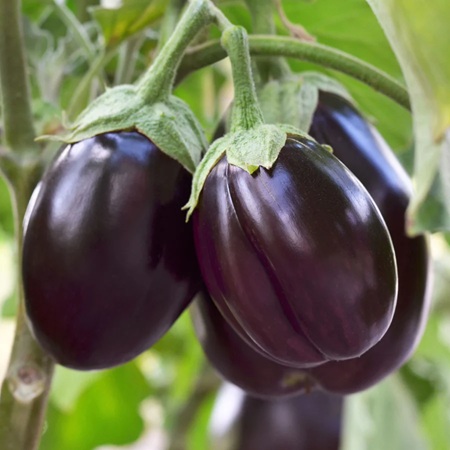
The purple‑black color of eggplant skin comes from natural pigments called anthocyanins. These powerful antioxidants not only create beautiful dark hues but also protect the plant from environmental stress like intense sun or sudden cold. They’re the same compounds that give blueberries, blackberries, and purple cabbage their deep colors, and research shows they have anti‑inflammatory and anti‑cancer properties for us as well. When anthocyanin production is slowed or interrupted for any reason, the fruit’s color suffers—it turns lighter, less shiny, and less appealing. By understanding and managing the factors that support pigment production, you can grow eggplants that are deep black, uniformly colored, and gleaming with that desirable sheen.
The Main Reasons Eggplants Don’t Turn Dark
Any factor that disrupts the plant’s ability to produce and accumulate anthocyanins can cause pale or patchy fruit. Here are the most common culprits:
- Temperature fluctuations: Eggplants are heat lovers. When daytime temperatures soar too high or nights suddenly drop, the plant’s metabolism slows and pigment production falls off. Cool nights below 15°C (59°F) are especially problematic, often stopping color development altogether.
- Improper light: These plants need plenty of direct sun to build rich color. But there’s a balance. If eggplants are shaded by dense foliage, walls, or trees, the fruit won’t color up well. On the flip side, extreme, intense sun beating down on exposed fruit can cause sunscald, discoloration, and a loss of shine. The trick is plenty of light on the whole plant without burning the fruit itself.
- Poor soil fertility and nutrient deficiencies: When a plant can’t access the right nutrients at the right time, it simply can’t manufacture the pigments needed for a deep, glossy finish. This shows up most often in depleted or unbalanced soils.
- Irregular watering: Eggplants hate dry spells followed by sudden heavy irrigation. That roller coaster of moisture causes stress that interrupts fruit development, often leaving the skin dull, thick, or unevenly colored.
How to Get Dark, Glossy Eggplants: A Step‑by‑Step Guide
1. Choose the Right Variety
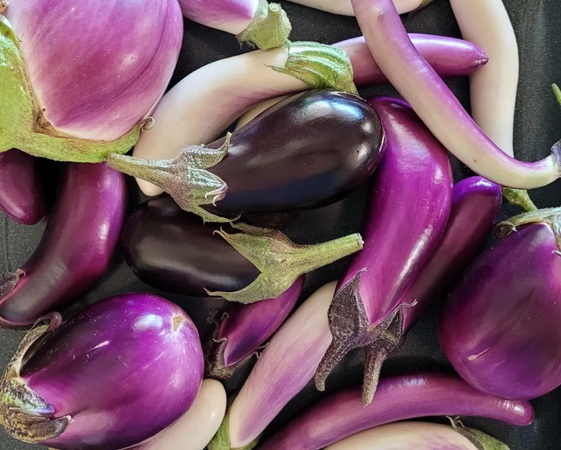
Not all eggplants are destined to be jet black. Some varieties are naturally lighter purple, streaked, or even green. Before you blame your gardening skills, check the seed packet or plant tag. If you’re growing a variety that isn’t genetically dark, you won’t get black fruit no matter what you do. For that classic glossy black look, select varieties like ‘Black Beauty,’ ‘Classic,’ or ‘Nadia.’ If you have a dark variety but the fruit isn’t coloring properly, then the environmental and nutritional fixes below are your next step.
2. Provide Enough Sunlight
Eggplants need a solid 6 to 8 hours of direct sunlight each day to fuel photosynthesis and pigment production. If you’ve planted them in the shadow of a fence, building, or overhanging tree branches, they will struggle to develop rich color. Action steps:
- Plant eggplants in the sunniest spot in your garden, far from tall structures or trees that cast shade.
- Space plants properly—about 18 to 24 inches apart—so they don’t shade each other as they grow.
- Prune strategically (more on that later) to let light reach the fruit through the canopy.
3. Keep Temperatures in the Sweet Spot
Eggplants are native to tropical regions and perform best with warm days and mild nights. Ideal daytime temperatures are between 25°C and 35°C (77°F–95°F). Nighttime temperatures should stay above 15°C (59°F). If your nights are cool, especially during early summer or late in the season, fruit coloring may stall. To counteract this:
- In cooler climates, grow eggplant in a greenhouse or high tunnel to hold in heat.
- If an unexpected cold snap threatens, cover plants with thick fabric or plastic sheeting overnight to trap warmth.
- Delay planting until all risk of late spring frost has passed and the soil has warmed thoroughly.
4. Water Consistently and Evenly
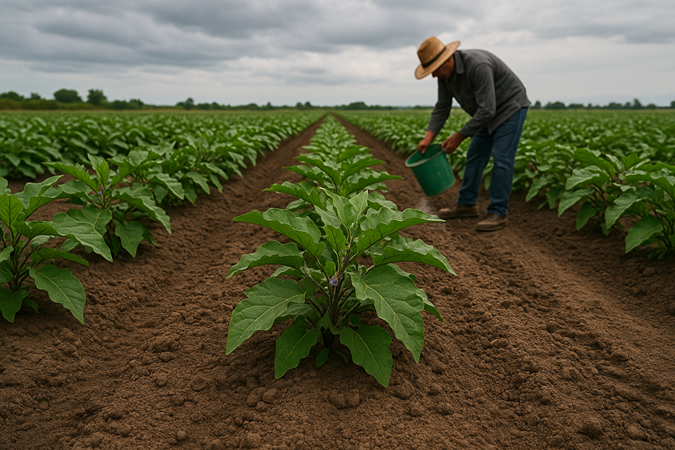
Inconsistent watering is a direct cause of dull, tough skin and poor color. The goal is to keep the soil evenly moist—never bone‑dry and never waterlogged. Dry stress followed by a flood of water shocks the plant, resulting in tough, thick skin that doesn’t develop a good shine. In hot weather, you may need to water daily or every other day. A deep soak twice a week is better than a light sprinkle every day if you have well‑drained soil. Apply a thick layer of organic mulch—straw, dried leaves, or even small gravel—around the base of the plants. Mulch keeps soil moisture steady, moderates soil temperature, and reduces weed competition.
5. Feed Smart for Maximum Color and Shine
Nutrition is the real secret to glossy black eggplants. The right elements applied at the right growth stages make all the difference between pale, dull fruit and a deep, shiny harvest.
- Potassium: This is the number‑one nutrient for color. Potassium drives sugar transport into the fruit and directly supports anthocyanin formation. Without enough, eggplants stay small, dull, and flavorless. Use a high‑potassium fertilizer (such as potassium sulfate or a bloom‑booster formula) as soon as flowering begins and continue through fruit development.
- Nitrogen management: Nitrogen is among the most used fertilizers around the world, and is essential for leaf and stem growth, but timing is everything. If you apply too much nitrogen late in the season, the plant will keep producing lush green foliage at the expense of the fruit. You’ll end up with huge, green‑tinted eggplants that never turn black. Apply nitrogen primarily in the early vegetative stage, and cut back sharply once flowering starts.
- Micronutrients: Magnesium, iron, zinc, and boron may be needed in small amounts, but they play an outsized role in fruit quality. Magnesium and iron keep the photosynthetic engine running smoothly, helping the plant produce the energy needed to form pigments. Zinc and boron support cell division and fruit development. A foliar micronutrient spray at the flowering and fruit‑set stages can often give your crop a visible boost.
Always base your feeding plan on a soil test if possible, as it reveals hidden deficiencies. And remember: even the best fertilizer won’t help if it’s applied at the wrong time. We suggest you take a look at our guide to eggplant fertilization.
6. Prune for Light Penetration
If the plant’s own leaves shade the developing fruit, those eggplants will never color up fully. Light, strategic pruning opens up the canopy so that sunlight hits the fruit directly. Remove a few of the oldest, yellowing lower leaves and any healthy leaves that are casting heavy shade over the fruit. Keep the center of the plant relatively open to improve air circulation as well. Pruning also helps prevent fungal diseases, which can further mar the fruit’s appearance.
A Stage‑by‑Stage Fertilizing Plan for Perfectly Black Eggplants
Getting that deep, glossy finish requires matching the plant’s nutritional needs to its growth stage. Here’s a practical, season‑long feeding schedule:
- Vegetative stage (early growth): Focus on building a strong framework of roots and leaves. Apply a balanced fertilizer with moderate nitrogen and good phosphorus. This supports root development and vigorous leaf growth that will later fuel fruit production. A 10‑10‑10 or similar all‑purpose fertilizer works well at this stage, applied according to the label rate.
- Flowering and fruit set: Once blossoms appear, phosphorus remains important for strong flower formation, but start increasing potassium. Switch to a fertilizer with a higher middle and last number, such as 5‑10‑10 or a tomato/vegetable formula. Supplement with a micronutrient spray containing iron, zinc, manganese, and boron. This improves pollination, fruit set, and overall plant health, setting the stage for excellent color development.
- Fruit growth and ripening (the critical stage for color): This is where potassium becomes the star. Apply a high‑potassium feed—like sulfate of potash or a liquid seaweed/potassium blend—every two weeks while fruit is sizing up. Also make sure magnesium and iron are available, as they support the photosynthesis that powers pigment production. Avoid pushing nitrogen now; extra nitrogen at this stage will only steal energy from the fruit and keep it pale.
By following this stage‑specific program, you’ll give your eggplants exactly what they need, exactly when they need it, to turn a rich, uniform black with a glossy sheen.
Putting It All Together
When your eggplants don’t turn black, the plant is telling you that something in its environment or diet isn’t right. By choosing a dark‑fruited variety, providing consistent warmth and steady moisture, ensuring 6‑8 hours of sun, pruning for light, and feeding with a careful balance of potassium, nitrogen, and micronutrients, you can completely transform the color and quality of your harvest. The result: eggplants that are deep black, shiny, and packed with the anthocyanins that make them both beautiful and nutritious. Apply these practices this season, and you’ll soon be picking fruit that looks as good as it tastes.