Increasing Saffron Flowering: Why Saffron Produces Few Flowers?
Saffron is one of the most valuable agricultural products in the world, and the profitability of growing it depends heavily on how many flowers your field produces. For saffron farmers, there are few things more worrying than walking through a field that looks healthy but produces only a fraction of the blooms it should. When that happens, the question is always the same: why is my saffron not flowering well, and what can I do to focus on increasing saffron flowering?
Low flower yield doesn’t have a single cause. Factors like poor nutrition, incorrect watering, undersized corms, overcrowding, and soil problems can all work together to reduce bloom. The good news is that nearly all of these factors are manageable. With a few strategic adjustments aimed at increasing saffron flowering, you can significantly boost the number of flowers you harvest. In this guide, we’ll explore every major reason why saffron fields underperform and give you a clear, practical action plan for increasing saffron flowering and protecting your investment.
How Saffron Produces Flowers
To understand how to go about increasing saffron flowering, it helps to know how the saffron plant creates blooms. Saffron spends most of the year underground as a corm, a bulb-like storage organ. Only during a short window in autumn does it enter its flowering phase. The trigger for this phase is a combination of falling temperatures, specific climatic signals, and the timing of the first irrigation. This is why flowers may appear at slightly different times across various regions.
After the first autumn watering, the corms wake from their summer dormancy. Flower buds gradually push up through the soil, but the blooms don’t appear all at once. Initially, just a few flowers emerge. Then the field hits a peak period where the greatest number of flowers open each day. After that, flowering slowly tapers off. This cycle means that for a few weeks, farmers need to be in the field daily.
Saffron flowers have a very short lifespan. Those that open in the early morning will start to deteriorate if left unpicked for too long, and their precious red stigmas will lose quality. Letting flowers accumulate also makes harvesting more difficult and less efficient. So one of the cardinal rules of successful saffron farming—and a basic step in increasing saffron flowering—is regular, daily picking throughout the flowering period. It preserves quality and ensures you capture every possible bloom.
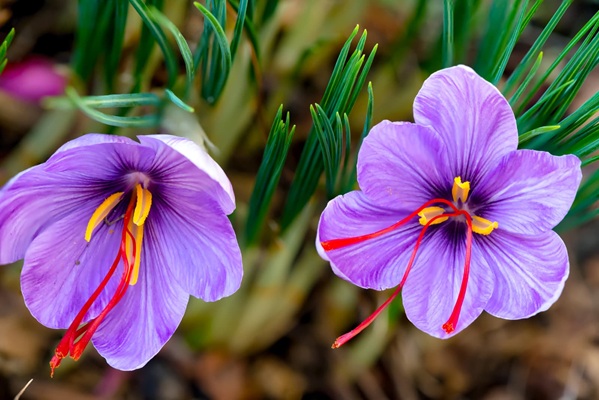
Why Saffron Produces Few Flowers
Now, let’s get into the specific reasons your saffron field might be falling short. Each of these factors can chip away at your total flower count, and correcting them is the foundation for increasing saffron flowering.
- Undersized or weak corms: The saffron corm is the engine of flower production. If the corm is small, the plant simply doesn’t have the energy reserves to push out many flowers. Corms weighing less than 5 grams generally produce very poor blooms. The gold standard for a productive corm is 8 to 10 grams. Several things can cause corms to become weak: digging them up too early the previous season, poor nutrition the year before, or overcrowding in the soil.
- Incorrect watering schedule: Water is the most critical element for saffron. If the field experiences drought stress during the growing season—winter and spring—the corms shrink and their nutrient stores are depleted. That translates directly into fewer flowers the following autumn. However, saffron hates waterlogged soil just as much as drought. Overwatering suffocates the roots and leads to corm rot. The first autumn irrigation is especially important. It must happen right before or at the very start of flowering. If it’s applied too late, the thirsty corms will produce small, misshapen flowers, or the blooms may not open fully.
- Nutritional deficiencies in the soil: A key aspect of increasing saffron flowering is making sure the soil supplies the right nutrients, including phosphorus, potassium, iron, and others. If the earth is depleted or if fertilizer is applied at the wrong time, the corms remain weak and cannot support an ideal bloom. You need ample phosphorus and potassium to drive flower formation. A frequent mistake is applying too much nitrogen right before flowering, which pushes the plant to produce leaves at the expense of flowers.
- Incorrect planting density: The number of corms per square foot matters. When density is too high, corms compete fiercely for light, water, and nutrients. They stay small and unproductive. If density is too low, you’re simply not using the land’s full potential. Finding the sweet spot is key to maximizing flower numbers per acre—a direct element of increasing saffron flowering.
- Corm pests and diseases: The corm mite and various fungal pathogens are the main enemies of saffron corms. An infested corm either rots or becomes so weak that it can’t produce flowers. These problems often go unnoticed until flowering fails.
- Unsuitable soil pH: Saffron performs best in soils with a pH between 6.0 and 7.5. If the soil is too acidic or too alkaline, nutrient uptake is disrupted, and corms can’t develop the strength needed for a heavy bloom. In such conditions, even otherwise healthy-looking corms will underproduce.
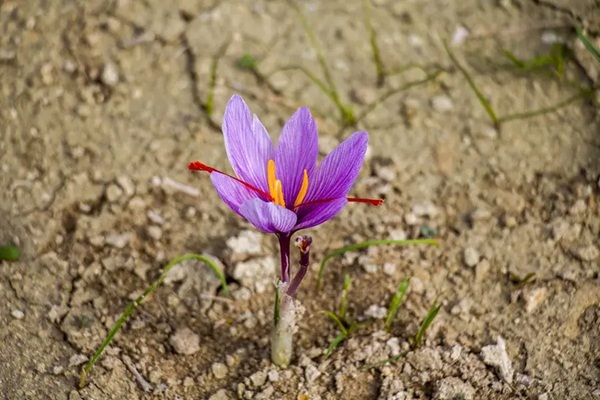
Best Practices for Increasing Saffron Flowering: A Practical Action Plan
Increasing saffron flower yield isn’t something you achieve overnight. It’s the result of consistent, correct management throughout the year. Here are the steps you should take to set up your field for a heavy harvest, all focused on increasing saffron flowering.
- Start with large, healthy corms: Only plant corms that weigh 8 grams or more and are free of cuts, soft spots, or signs of disease. Larger corms have more stored energy and produce more and bigger flowers. This single decision has the biggest immediate impact on increasing saffron flowering.
- Treat corms before planting: Soak or spray corms with an appropriate fungicide before they go into the ground. This protects against the soil-borne fungal diseases that silently destroy corms and slash flower counts.
- Monitor and control pests: During the growing season, keep an eye out for yellowing or weak plants. These can be signs of a corm mite infestation. If you spot trouble early, you can take targeted action before the pest spreads through the whole field and ruins your chances of increasing saffron flowering.
- Rest newly purchased corms: If you’ve bought corms from another location, let them rest for 2 to 3 weeks in a cool, dry, well-ventilated place before planting. This reduces transplant shock and allows any minor damage to heal.
- Master the watering schedule: The timing of the first autumn irrigation is critical and depends on your local climate, but it typically begins around mid-October. Watering too early is a major mistake that can delay or reduce flowering. This first irrigation should wet the soil to a depth of 12 to 16 inches. If the soil stays too dry, flowers will open late or not at all. During winter, if rainfall is insufficient, provide one or two light waterings just to maintain moisture. Never let the field become waterlogged. After flowering, as the leaves grow, consistent but moderate moisture is essential to build up the corms for next year—a vital part of increasing saffron flowering in the long run.

- Fight weeds manually: Weeds are a fierce competitor for water, nutrients, and light. The safest and most effective method in saffron is hand weeding or mechanical cultivation. Avoid chemical herbicides entirely. Saffron roots are shallow and sensitive, and herbicides can cause serious, lasting damage. Remove weeds before they set seed to reduce future labor.
- Do not cut the leaves early: Saffron leaves are the solar panels that power the corm factory. They remain green and photosynthesizing long after the flowers are gone, packing the corms with the starch they’ll need for next autumn’s bloom. Some farmers mistakenly cut the foliage early to tidy up the field or prepare for another crop. This cuts off the corm’s energy supply and drastically reduces the next year’s flowering. Letting the leaves die back naturally is a simple but powerful step toward increasing saffron flowering year after year.
- Maintain proper planting density: If your field has become overcrowded after a few years and flower counts are dropping, it’s time to lift and divide the corms. For large corms, a spacing of 2 to 3 inches apart is ideal. This gives each plant enough room to develop without wasteful competition.
- Practice crop rotation and let the land rest: Saffron land should not be cropped continuously for decades. Every 5 to 7 years, rotate the field to another crop like wheat or barley for a season or two. This break allows the soil to recover its nutrient balance and reduces the buildup of saffron-specific pests and diseases. When you return to saffron, the corms will perform much better, contributing to increasing saffron flowering over the long term.
- Break the soil crust after irrigation: After the first watering, the soil surface can form a hard crust that makes it difficult for the delicate flower shoots to break through. Gently breaking this crust to a depth of 2 to 3 inches—being careful not to damage the corms—makes emergence easier and improves water infiltration.
- Test your soil and correct the pH: Before adding any fertilizer, conduct a soil test. It’s a small investment that tells you exactly which nutrients are lacking and whether your pH is off. If the soil is too alkaline or acidic, amend it with the appropriate materials to bring it into the 6.0 to 7.5 range. Proper soil pH unlocks nutrients that are already in the soil but unavailable to the plant, which is a foundational step for increasing saffron flowering.

The Best Fertilizer Strategy for Increasing Saffron Flowering
Fertilizing saffron isn’t just about the flowering season. To achieve maximum yields and make real progress in increasing saffron flowering, you need to follow a year-round nutritional program that builds strong corms. However, there are specific fertilizers that, when applied with the first autumn irrigation, can give flowering an immediate and powerful boost.
For peak flowering, focus on these key nutrients:
- Potassium: The most important element for flower size and quantity. A shortage of potassium leads to small, pale flowers.
- Phosphorus: Essential for root strength and energy transfer to the developing bloom.
- Calcium and Magnesium: These support strong flower and leaf tissue structure.
- Micronutrients: A foliar spray before the first irrigation and again in spring, containing zinc, boron, and amino acids, strengthens corms and sets the stage for more flowers the following year—key to increasing saffron flowering sustainably.
The exact amounts depend on your soil test results and the size of your field. Crucially, nitrogen must be managed carefully at the flowering stage. While nitrogen is beneficial for leaf growth, too much of it right before bloom will divert the plant’s energy away from flowers and into foliage. You want the plant focused on reproduction, not vegetation, so limit nitrogen applications around the time of the first autumn watering and during the flowering window.
Putting It All Together
Increasing saffron flowering is a matter of aligning several management practices: starting with large, disease-free corms, watering exactly when the plant needs it, keeping weeds in check, protecting the green leaves until they die back naturally, and feeding with the right nutrients at the right time. When you combine these actions, the result is a stronger corm that carries more stored energy, and that energy translates directly into a heavier blanket of purple flowers each autumn.
A low-yielding saffron field is sending you a clear message. By listening and methodically addressing the causes—weak corms, poor watering, nutrient imbalances, pests, and soil problems—you can reverse the trend and build a more productive and profitable saffron operation. Every step you take to nurture the corms throughout the year will be repaid in flowers when harvest season arrives. Commit to these practices, and you will see the results in your own field, season after season, with increasing saffron flowering that rewards your effort and expertise.