How to Prevent Late Spring Frost Damage in Your Orchard
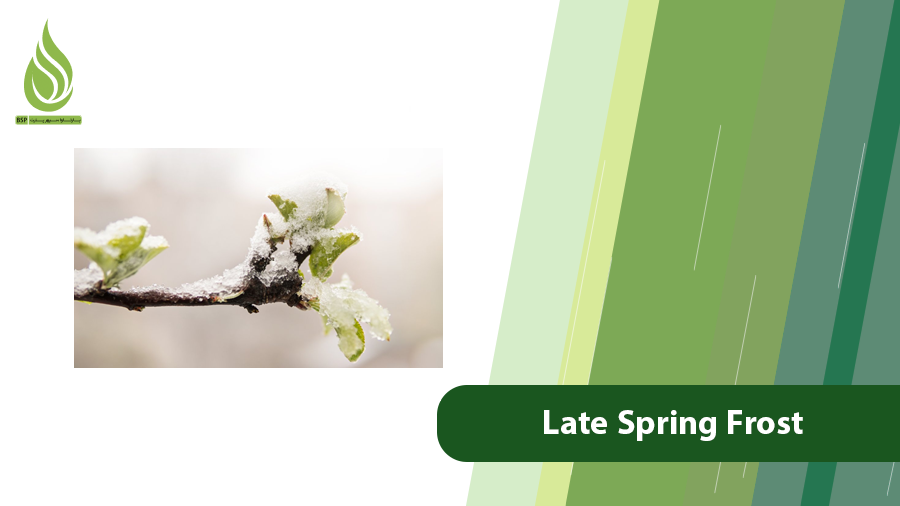
Late spring frost is one of the most frustrating problems a fruit grower can face. Just when the weather begins to warm, buds start swelling, and you feel confident that winter is finally behind you, a sudden cold snap can sweep in and destroy an entire season’s work. Tender blossoms and newly set fruitlets, full of water and bursting with life, are extremely vulnerable—far more so than dormant winter trees. A single night of freezing temperatures can wipe out up to 100% of your crop. This is why preventing late spring frost damage requires a completely different approach than protecting trees during deep winter. In this article, we’ll focus specifically on practical, modern strategies to protect your orchard from late spring frost, so you can safeguard your blossoms, your fruit, and your livelihood.
What Exactly Is Late Spring Frost Damage?
To understand how to fight it, you first need to know what you’re up against. We suggest you take a look at our guide to fruit trees frost, too. Unlike mid-winter cold, which trees in full dormancy can often shrug off, late spring frost occurs after trees have begun their spring growth cycle. The buds have broken dormancy, flowers are opening, and tiny fruits are just starting to form. At this stage, plant tissues are saturated with water and have very little natural cold tolerance. Even a brief dip in temperature to around 32°F (0°C) can rupture cell walls when the water inside them freezes, killing the blossom or fruitlet outright.
The problem is most acute in stone fruit trees like apricots, peaches, nectarines, almonds, cherries, and plums, but it also affects pome fruits such as apples and pears. These trees tend to bloom early, making them especially prone to damage from late cold snaps. In many regions, a warm spell in late winter can trick trees into breaking dormancy early, and when freezing weather returns, the damage is done.
A key point: a temperature that was completely safe in January can be catastrophic in April. Managing this threat effectively requires a blend of long-term planning and rapid, on-the-spot action.
Recognizing the Symptoms of Spring Frost Damage
Identifying frost damage quickly helps you make smart decisions about what to do next. After a freezing night, look for these telltale signs:
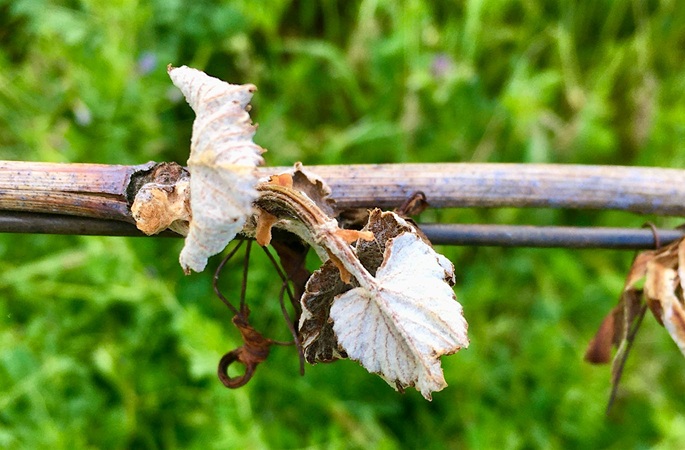
- Discolored foliage: New leaves may turn dark, wilted, or water‑soaked, losing their fresh spring green. They might drop off or remain on the tree but look limp and lifeless.
- Ice on buds and blossoms: Immediately after a frost, you may see a thin layer of ice covering the flowers or young buds. Once it melts, the damage underneath becomes apparent.
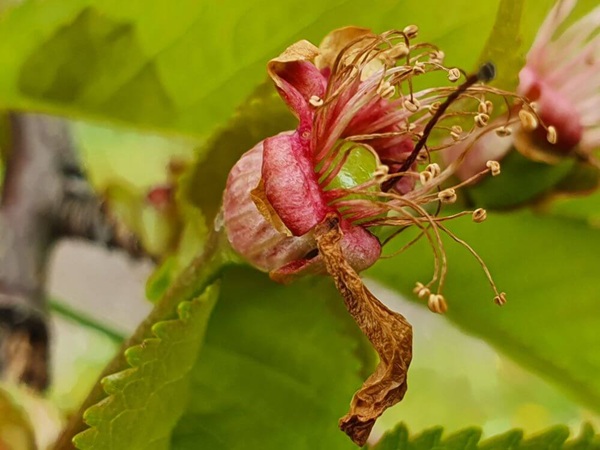
- Blackened flower centers: This is one of the most reliable indicators. Petals may still look normal, but if the central reproductive parts (the pistil and stamens) have turned brown or black, fertilization cannot occur, and that flower will not produce fruit.
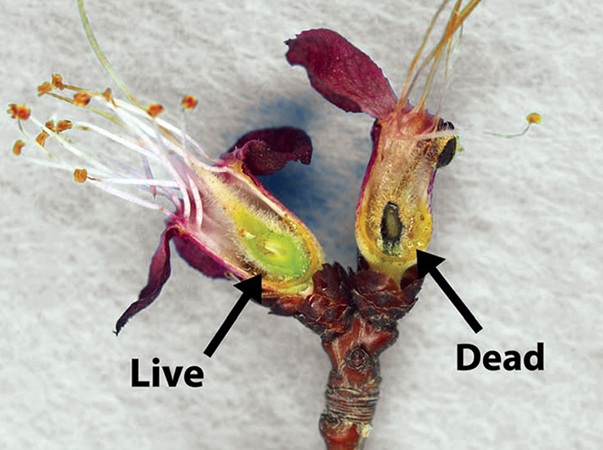
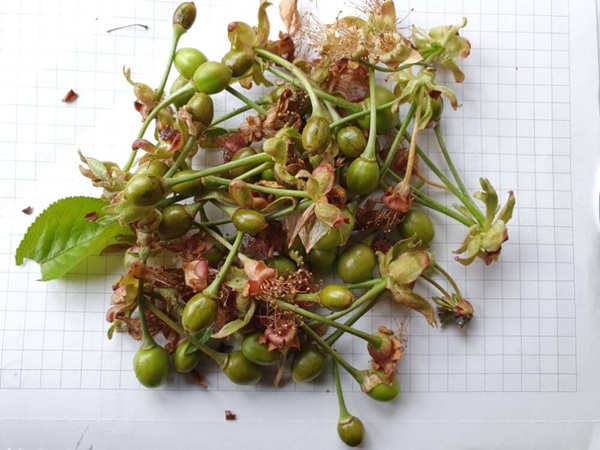
- Dropping of small fruitlets: If fertilization had already happened, the tiny developing fruits—often the size of a pea or smaller—may blacken and fall off the tree.
- Dramatic crop reduction: Even if the tree itself survives and continues to grow, you might see a near‑total loss of fruit that year.
- Lower fruit quality: Fruit that does set on frost‑damaged trees often develops poorly, remains small, and is more susceptible to pests and diseases.
A Dual Strategy: Long‑Term Prevention and Immediate Action
To successfully protect your orchard from late spring frost, you need to combine proactive measures that you put in place well before bloom time with emergency tactics you can deploy when a cold night is forecast. Some methods take a year or more to show their full effect, while others can save your crop in a single night.
Long‑Term Preventative Measures
- Choose Late‑Blooming Varieties: This is one of the smartest moves you can make, especially if you garden in a frost‑prone area. Different cultivars of the same fruit can bloom weeks apart. By selecting varieties that naturally break dormancy and flower later in the spring, you dramatically reduce the risk of blooms coinciding with a late freeze. Do your research, and when planting a new orchard, favor late‑blooming strains.
- Feed Trees Properly in the Fall: A well‑nourished tree is a resilient tree. While no fertilizer can stop ice from forming inside a blossom, a strong, healthy plant weathers stress far better than a weak one. Focus on key nutrients in the late season: potassium, calcium, zinc, and boron all play roles in strengthening cell walls, improving cold tolerance, and setting the tree up for a robust bloom. Apply a balanced fall fertilizer program based on a soil test to ensure these elements are at optimal levels heading into winter.
- Consider Orchard Location Carefully: If you’re planning a new orchard in a cooler region, site selection can make a huge difference. Avoid planting in low‑lying areas where cold air settles—frost pockets can be several degrees colder than surrounding slopes. Proximity to a river, lake, or spring can help moderate temperatures because water bodies release stored heat slowly, keeping the local microclimate slightly warmer on cold nights. Planting on a gentle slope with good air drainage allows cold air to flow away from the trees.
- Install Natural Windbreaks: Rows of tall evergreen trees like cypress or plane trees can act as a barrier against biting winds that strip away heat. Windbreaks reduce wind speed and help trap warmer air near the ground, lowering the risk of frost damage to blossoming trees. Plant them on the windward side of your orchard, but be careful not to shade the fruit trees excessively.
- Delay Pruning to Postpone Bloom: Here’s a counterintuitive but effective technique: the later you prune in winter, the later your trees will bloom. Heavy pruning in late winter can stimulate earlier bud break. If you prune just before buds swell—but not after they’ve started to push—you can push flowering back by a few days to a week. This small shift can be the difference between a frosted bloom and a safe one. Always use clean, sharp tools and follow species‑specific pruning guidelines.
- Use Plant Growth Regulators to Delay Bud Break: One of the more advanced modern strategies involves applying ethephon, a plant growth regulator that releases ethylene gas inside the plant. When applied at the right time—late winter, when buds are swollen but not yet open—ethephon signals the tree to remain dormant a bit longer, effectively delaying bloom by up to two weeks. This can allow you to bypass the most dangerous frost windows. The key is timing: apply too early and it won’t work; apply after green tissue appears and you can damage the buds. Choose a calm day with temperatures between 50°F and 68°F (10°C–20°C) for optimal absorption. Always read and follow the product label, and consider consulting a local extension specialist before using this method.
Quick, Emergency‑Response Tactics
When a frost warning is issued and your trees are in bloom or have young fruit, you need to act fast. Here are proven methods to protect your orchard on short notice.
- Monitor Weather Forecasts Closely: Use reliable weather apps and local agricultural alerts to stay informed. Knowing when the temperature will drop, how low it will go, and for how long it will stay there allows you to choose the right defensive measure and deploy it at the right time.
- Irrigate the Orchard Before the Cold Night: Water has a high heat capacity. Moist soil absorbs and stores heat during the day and releases it slowly at night, keeping the ground and the root zone a few degrees warmer than the air. If a frost night is forecast, give your orchard a thorough watering the day before. This simple step can raise the temperature around the tree just enough to protect blossoms.
- Overhead Sprinkler Irrigation for Frost Protection: This is one of the most effective active protection methods used in modern orchards. When temperatures drop near freezing, water is continuously sprayed over the trees. As that water freezes on the blossoms, it releases latent heat, keeping the tissue temperature right at 32°F (0°C), even if the air temperature falls several degrees below freezing. The ice forms a protective shell. This method works only in calm conditions; if it’s windy, evaporation will cool the plant even faster, making the damage worse. Also, the system must run continuously until the ice melts, which can mean operating all night. It’s a major investment but can save a crop when done correctly.
- Use Orchard Heaters and Heat Sources: Generating heat directly is still a practical option, particularly for high‑value orchards. Orchard heaters, gas or diesel‑fired heaters, and portable heating systems can raise the temperature in a localized area. Traditional methods include burning wood, straw, or other materials to create both heat and a thick layer of smoke. The smoke acts like a blanket, trapping radiant heat from the ground and preventing it from escaping into the sky. Modern frost candles and liquid fuel heaters are cleaner and easier to manage. Regardless of the method, place heaters strategically throughout the orchard, and always prioritize safety and local regulations.
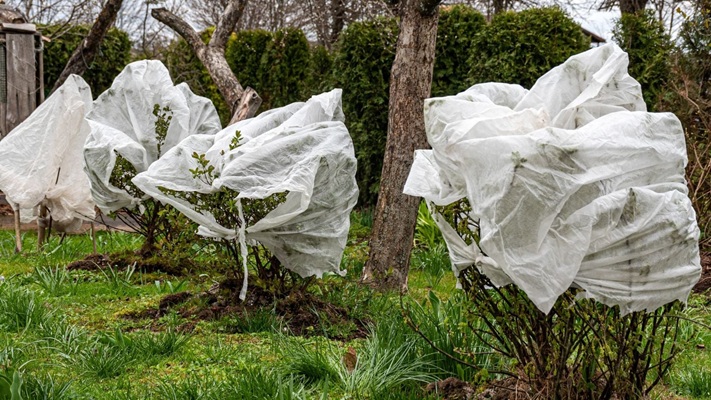
- Cover with Protective Fabrics: For young trees or small orchards, frost cloths or row covers can make a significant difference. These fabrics trap heat radiating from the soil and raise the temperature underneath by several degrees. Drape them over the trees before sunset and secure the edges to the ground to prevent wind from lifting them. Remove the covers during the day to allow sunlight and pollination to occur normally.
- Apply Polymer Anti‑Frost Coatings: Some commercial products form a thin, transparent polymer film over the blossoms, providing a degree of insulation against cold. They can be sprayed on before a frost event. While not a silver bullet, they can offer a few extra degrees of protection. Before purchasing, verify the product’s authenticity, check independent trial results, and ensure it is suitable for fruit trees.
What to Do After Frost Damage Occurs
Sometimes, despite your best efforts, nature wins. If the temperature plunges below 23°F (-5°C) and stays there for four to five hours, even the best protection systems may not be enough. If your orchard shows signs of damage, don’t panic and don’t give up. Your goal shifts from saving this year’s crop to preserving the tree and setting the stage for next year.
- Wait before assessing damage. Immediately after a frost, the true extent of injury isn’t clear. Give the trees 7 to 10 days. During this time, damaged tissues will dry out, and healthy buds will start growing, making it easier to see what survived.
- Hold off on pruning. Damaged branches still contain stored nutrients that the healthy parts of the tree need for recovery. Let the tree work through its own healing process. Prune only when you’re absolutely certain which wood is dead. Premature pruning can cause additional stress.
- Support the tree’s energy reserves. Your objective is to help the tree recover, not to chase lost fruit. Foliar sprays of micronutrients, especially zinc, boron, and amino acids, can reduce stress and stimulate the plant’s natural repair mechanisms. Apply them according to expert recommendations.
- Maintain regular irrigation. The tree is under significant stress. Consistent, deep watering helps it absorb nutrients and repair internal damage. Don’t cut back on water out of despair.
- Use balanced growth stimulants carefully. A moderate application of growth‑promoting fertilizers can help awaken dormant buds and encourage the healing of damaged tissues. Avoid heavy nitrogen applications, as they can push excessive vegetative growth that the stressed tree can’t sustain. Always base any post‑frost fertilization on the specific needs of your orchard and the severity of the damage.
Conclusion
Late spring frost is a formidable foe, but it doesn’t have to spell disaster every time a cold night threatens your blossoms. By combining careful orchard planning, smart nutritional management, and a set of ready‑to‑go emergency tactics, you can dramatically reduce the risk of frost wiping out your crop. The key is to be proactive—choose the right varieties, set up your orchard for good air and water drainage, and feed your trees well—and reactive—monitor forecasts religiously, have your frost protection equipment ready, and act decisively when cold air moves in.
Even when damage occurs, a thoughtful recovery plan can bring your trees back strong for the next season. Remember, every orchard faces frost challenges at some point; the growers who succeed are the ones who have a plan in place and execute it with care. With the strategies outlined here, you’ll be equipped to protect your trees, salvage what you can, and look forward to a bountiful harvest next year.