Articles
-
Articles

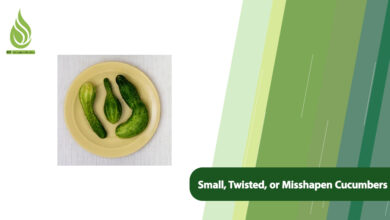
Why Are Cucumbers Small, Twisted, or Misshapen? + Solutions
Cucumbers are a staple in many diets, valued for their refreshing, crisp texture and versatility. Whether sliced into salads, pickled, or enjoyed fresh, cucumbers are a favorite among consumers and a profitable crop for farmers. However, achieving high-quality cucumbers, those that are straight, well-sized, and visually appealing, requires careful attention to growing conditions. Unfortunately, farmers and gardeners often encounter cucumbers that are small, twisted, or deformed, which can reduce their market value and lead to financial losses. In this detailed…
Read More -
Articles
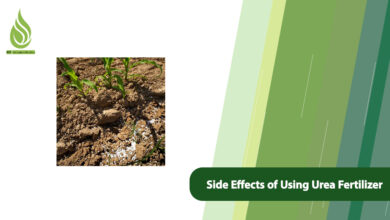
Side Effects of Using Urea Fertilizer: Avoid It in These Situations!
Urea fertilizer can be effective when used correctly and at the right time. However, improper use, overuse, or application in unsuitable conditions won’t just fail to improve crop performance; it can actually harm the plants, soil, and environment. In this article, we’ll explore the side effects of urea fertilizer and explain when it’s strictly off-limits. Stick with us. Introduction to Urea Fertilizer and How It Works Urea is one type of nitrogen-based alternatives to urea, containing 46% nitrogen. It’s an…
Read More -
Articles
Seed Priming: A Professional Technique to Boost Germination
Seed priming is a professional and effective technique that can significantly increase seed germination rates. This method not only promotes more uniform and robust plant growth but also enhances root development and improves seed resistance to diseases. Let’s walk you through the steps of seed priming and introduce the best fertilizers for the process. What is Seed Priming and Why Does It Matter? Every farmer wants to maximize seed germination and achieve a bountiful harvest. Sometimes, factors like unsuitable temperatures,…
Read More -
Articles
How Much Ammonium Sulfate Fertilizer Is Needed Per Hectare?
The amount of ammonium sulfate fertilizer needed per hectare depends on the crop’s nitrogen and sulfur requirements, soil conditions, fertilizer grade, and nutrients already supplied by other sources. There is no single application rate that works for every field. For a standard ammonium sulfate fertilizer containing 21% nitrogen and 24% sulfur, you can calculate the required product amount by dividing the recommended nutrient rate by the nutrient fraction in the fertilizer. However, the result must be checked against the crop’s…
Read More -
Articles
What Factors Influence the Rapid Growth of a Seedling or Tree?
Every gardener wants their seedlings to grow quickly and their trees to reach optimal growth. To achieve rapid growth in a seedling or tree, certain conditions must be met. One key factor is proper fertilization. In this article, we’ll explore the factors that promote fast growth in seedlings and trees and introduce fertilizers that support both height and width development. Why Is Rapid Seedling Growth Important? The growth of a seedling in its early years lays the foundation for its…
Read More -
Articles
Reasons for Cucumber Flower Drop & Ways to Prevent It
Cucumber flower drop is a common concern during the flowering stage. This issue can significantly reduce your crop yield. To prevent cucumber flower drop, you need to understand its causes. In this article, we’ll explore the reasons behind cucumber flower drop and effective solutions to address it. Keep reading to learn more. When is Cucumber Flower Drop Abnormal? Some flower drop is normal for cucumber plants, but excessive drop is not and can lead to low or no fruit production,…
Read More -
Articles
Common Fertilization Mistakes That Reduce Plant Performance
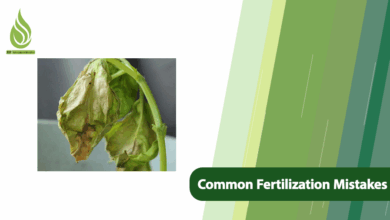
Proper fertilization is one of the most important factors in boosting agricultural productivity. Yet many farmers and gardeners, unaware of the correct methods, make mistakes that not only fail to increase yields but actually damage their plants. In this article, we’ll take a look at the most common fertilization mistakes so that, by avoiding them, you can get the best possible results from your land. Why Correct Fertilization Is Essential Fertilization is a key factor in the success or failure…
Read More -
Articles
Tomato Fertilization: Key Tips for Boosting Yield and Flavor
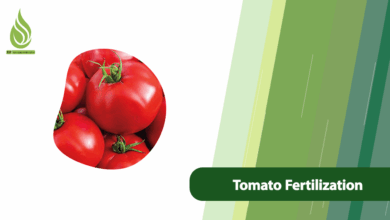
Tomatoes are one of the world’s most popular vegetables, prized for their delicious taste and abundant nutritional benefits, and are used in many dishes and salads. To produce high‑quality, bountiful crops, proper fertilization is crucial. Correct fertilization of tomato plants can improve flavor, size, productivity, market appeal, and overall plant performance. In this article, we’ll cover the key points of fertilizing tomatoes and explain the optimal fertilization schedule. Let’s get started. Why Proper Fertilization Matters for Tomato Plants To harvest…
Read More -
Articles
Saline Water Irrigation: What Is It and How to Do It?
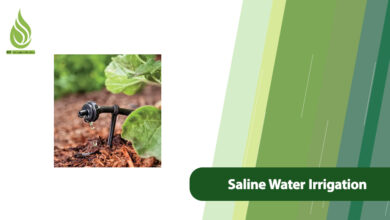
Water is one of the most critical factors for plant growth, and its quality has a major impact on the health and productivity of agricultural crops. In many regions, especially in arid and semi‑arid areas, freshwater shortages pose a serious challenge. That’s why many farmers have turned to using saline water for irrigation. But can you really water crops with salty water? In this article, we’ll explore the effects of irrigating with saline water and discuss strategies for optimizing its…
Read More -
Articles
Why Plants Stop Growing? Science-Backed Reasons & Solutions
Stunted plant growth is a common challenge for farmers and plant enthusiasts alike. When a plant stops producing new leaves, fails to grow taller, or doesn’t flower, it’s likely facing issues with its environment or nutrition. In this article, we’ll explain why would your plants stop growing and how to provide science-backed solutions for each problem. Let’s dive in! How to Tell If Your Plant’s Growth Has Stopped Plant growth is a top concern in farming and gardening. Sometimes, plants…
Read More -
Articles
Wheat Fertilization Guide: What Fertilizer & When?
Wheat is the world’s most important grain crop. As a strategic agricultural product, it plays a critical role in ensuring food security. Achieving high yields and quality grains requires more than just proper planting and adequate irrigation—balanced, science-based plant nutrition through fertilization is one of the most crucial factors for healthy growth and maximizing final yields. In this guide, we’ll introduce the essential nutrients wheat needs and provide a fertilization schedule for optimal results. Let’s dive in! Why Is Fertilization…
Read More -
Articles
Is Your Soil Hard and Clumpy? Here’s How to Soften It Up
Hard, clumpy soil makes it tough for plants to grow. But don’t worry! With practical solutions, you can soften and improve compacted soil. In this guide, we’ll explain why soil gets clumpy and share effective ways to soften it. Let’s dive in! How Can You Tell If Your Soil Is Hard? Compacted soil happens when soil particles are pressed tightly together with little space between them. This reduces the gaps needed for air, water, and roots to move freely, causing…
Read More