What Does It Mean When Figs Turn Sour on the Tree?
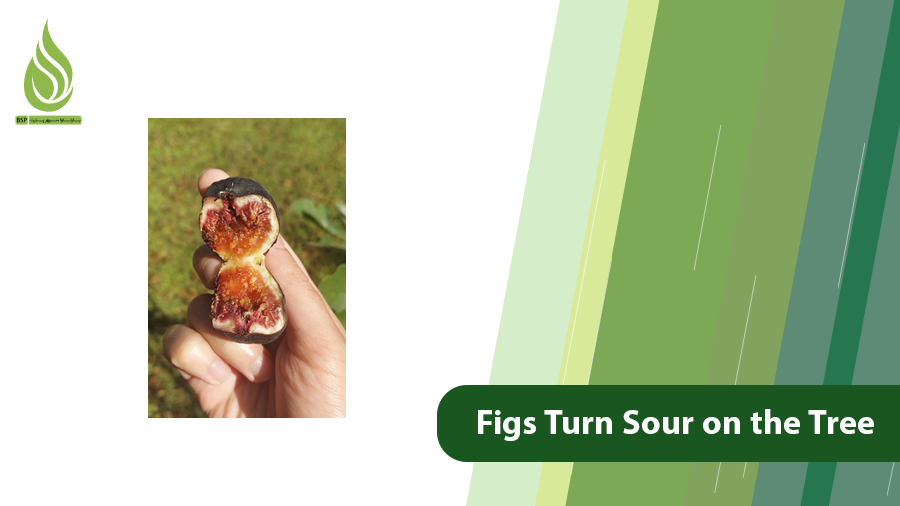
Before we dive into the causes, it helps to understand exactly what we mean by sour figs. In many cases, a fig that is in the final stages of ripening fails to accumulate sugar properly. Instead of becoming sweeter as it softens, the flesh begins to ferment internally. You might notice a small opening appearing at the blossom end, and inside, the pulp turns pinkish or takes on a water‑soaked look. The fruit becomes mushy, and a slimy pink or yellowish liquid may ooze out. Bubbles of gas can form inside the flesh, and the unmistakable smell of fermentation or spoilage develops. Sometimes a frothy layer appears on the surface of the pulp. All these are clear signs that the fig is souring or spoiling on the tree.
What this really means is that the natural conversion of starches and organic acids into sugars has been interrupted or hasn’t completed. The tree is essentially telling you that conditions aren’t right for full sugar production. The reasons can range from nutrient shortages and poor watering to fungal diseases, insect activity, and simple environmental stress. Once you know what to look for, you can identify the cause and take targeted action.

The Main Reasons Figs Turn Sour and Ferment on the Tree
Let’s explore each major factor that can lead to sour, fermented figs, and for each one I’ll give you a clear fix.
Environmental Conditions – Heat, Humidity, and Rain at the Wrong Time
Figs thrive in warm, dry climates. As the fruit approaches harvest, it needs plenty of sun and low humidity to concentrate sugars. If a period of high humidity or unexpected summer rain arrives right as the figs are ripening, moisture can enter the tiny natural opening at the blossom end (often called the eye of the fig). That moisture creates a perfect environment for harmful microorganisms to take hold, starting the fermentation process from the inside out.
On top of that, sharp temperature swings late in the ripening period can cause the fruit skin to crack. These cracks are an open invitation for fungi and bacteria, and once they get inside, souring follows quickly.
What you can do:
- If you live in a humid region, choose fig varieties that have a closed or very small eye. This simple trait dramatically reduces the risk of moisture and insects entering the fruit. We’ll talk more about variety selection later.
- Maintain good air circulation by proper pruning and adequate spacing between trees. This helps foliage and fruit dry faster after rain or heavy dew.
- If you have only a few trees and a wet spell is forecast, you might be able to gently shake water off the branches, but for large orchards the focus should be on prevention through variety choice and tree architecture.
Unbalanced Nutrition – The Hidden Flavor Thieves
What you feed your fig tree has a direct impact on how sweet your fruit will be. Several key nutrients play a crucial role in sugar development, and if any of them are lacking, sour figs can be the result.
- Potassium: This is the most important nutrient for moving sugars from the leaves into the fruit. If the soil is low in potassium, the sugars produced by photosynthesis simply cannot travel into the developing figs. The fruit may stay small, or if it does grow, it will taste watery, low in sugar, and sometimes distinctly sour.
- Calcium: Calcium strengthens the cell walls of the fruit. Without enough calcium, the fig’s texture can become tough and woody, and the normal softening and sweetening process is disrupted. Signs of calcium deficiency include late‑ripening fruit with a thick, leathery skin, and flesh that stays hard and bland. These fruits may also crack prematurely, opening the door to rot.
- Magnesium: As the central atom of the chlorophyll molecule, magnesium is essential for photosynthesis. If older leaves start to yellow and photosynthesis slows down, less sugar is produced, and the fruit will likely remain sour.
- Zinc: Zinc is needed for cell division and proper fruit development. A shortage can cause figs to stay small and never reach full maturity, leaving them sour or tasteless.
Beyond deficiencies, a common mistake is applying too much nitrogen or applying it at the wrong time. Nitrogen encourages lush leaf and branch growth. If the tree gets a heavy dose of nitrogen late in the season, it keeps growing vegetatively at the expense of the fruit. The figs then struggle to mature properly and often end up sour.
Fertilization solutions:
- Base your fertilizer program on a soil test. This is the only way to know exactly which nutrients your soil lacks.
- Use a potassium‑rich fertilizer during fruit development. Potassium sulfate is an excellent choice to boost sugar content without adding excess nitrogen.
- If signs of calcium deficiency appear, apply a calcium foliar spray or add gypsum to the soil based on soil test results.
- Apply nitrogen only in early spring, before the tree flowers. Stop nitrogen applications after fruit set to avoid pushing leaf growth at the expense of ripening.
- Supplement with micronutrients like zinc and magnesium through foliar sprays if deficiency symptoms are visible.
Improper Watering – A Delicate Balance
The fig tree is famously drought‑tolerant, but that doesn’t mean it can produce top‑quality fruit without steady moisture. Irregular watering is one of the most common triggers for sour figs.

When a fig tree goes through a long dry period and then suddenly receives a heavy irrigation, the fruit tissues experience shock. The sudden uptake of water can cause the fruit to swell rapidly and crack. Once cracked, the fig is wide open to fermentation‑causing microbes, and souring starts soon after.
On the opposite end, overwatering keeps the soil and the air around the tree too damp. Constantly wet roots and high humidity around the canopy create a breeding ground for fungi and bacteria that attack the fruit directly.
Watering best practices:
- Irrigate deeply and evenly throughout the growing season, especially from fruit set until harvest. Avoid letting the soil cycle between bone‑dry and flooded.
- As the figs approach the final ripening stage—about two to three weeks before harvest—begin to gradually reduce irrigation. You want to cut back enough to concentrate the sugars without causing severe water stress. The goal is to prevent the fruit from becoming overly full of water, which dilutes flavor and increases splitting.
- Use drip irrigation if possible. It delivers water directly to the root zone, keeps the canopy dry, and makes it easier to maintain steady soil moisture.
- Mulch around the base of the tree to conserve moisture and even out soil temperature swings.
Fungal Diseases – Invisible Invaders
Fungal pathogens are among the most destructive forces for a fig crop, and they are a prime cause of sour, rotting fruit. Several fungi can directly attack figs, entering through tiny wounds, cracks, or the natural eye. Once inside, they break down the flesh, causing soft rot, off‑flavors, and the characteristic sour smell. In humid conditions with poor air circulation, these diseases can spread explosively, wiping out a large portion of your harvest.
Disease management steps:
- Prune trees annually in late winter to open up the canopy. Better air flow and more sunlight penetration make the environment less friendly for fungi.
- Collect and destroy any infected fruit, whether it is still on the tree or has fallen to the ground. Do not leave rotting figs lying under the tree, as they will produce a continuous supply of spores.
- Remove and burn or dispose of diseased branches well away from the orchard.
- In areas with persistent fungal pressure, apply a suitable fungicide according to the label instructions, beginning at the early fruit development stage. Organic options like copper sprays can be effective if timed correctly.
Viruses and Insect‑Transmitted Pathogens
Certain viruses, including the fig mosaic virus, can cause small, late‑ripening fruit with poor flavor that tends toward sour and bitter notes. These viruses are often spread by insect vectors such as aphids and leafhoppers. More directly, insects are the main way that fermentation‑causing yeasts and acetic acid bacteria enter the fig. These microbes don’t need a wound; they can be carried right into the fig’s eye by tiny insects that are attracted to the sweet aroma of ripening fruit. Once inside, the yeast spores multiply rapidly in the warm, sugary environment and kick off fermentation.
Prevention:
- Regularly monitor your trees for aphids, thrips, and other sap‑sucking insects. If numbers build, use insecticidal soaps or horticultural oils to bring them under control.
- For the fig moth and other direct fruit pests, use pheromone traps or traps baited with apple cider vinegar to reduce the adult population before they enter the fruit.
- Keep the orchard clean and remove any mummified fruit that can serve as a reservoir for both pests and diseases.
- Purchase fig trees only from reputable nurseries to ensure you start with virus‑free stock.
Incorrect Pruning and Too Much Shade
Sunlight is the fuel for photosynthesis and sugar production. If a fig tree is not pruned correctly, the interior branches can become so dense that many of the developing fruits are constantly shaded. A fig that ripens in the shade will almost never reach the same sugar levels as one that basks in full sun. Shaded fruits tend to stay small, hard, and sour, while sun‑exposed fruits on the same tree grow sweet and soft.
Another common pruning mistake is cutting back the tree too hard during the growing season. A heavy late‑spring or summer prune shocks the tree. In response, it diverts energy into producing new shoots and leaves rather than ripening fruit. The figs that were already developing may stall and eventually sour.
Smart pruning tips:
- Perform the main annual tree pruning in late winter, while the tree is still dormant. This encourages vigorous, healthy new growth in spring without disrupting fruit development.
- Aim for an open, vase‑shaped canopy that lets sunlight reach all parts of the tree.
- During the summer, limit yourself to removing only suckers, water sprouts, and broken or diseased branches. Avoid any major cuts that will stimulate vegetative growth at the expense of fruit ripening.
Harvesting Too Late – The Overripe Trap
It’s a common belief that leaving figs on the tree longer will make them sweeter. Up to a point, that’s true. But if you wait too long, the fig can over‑ripen and the risks quickly outweigh any extra sugar gain. An overripe fig is soft, the skin is fragile, and the eye often widens, making it highly susceptible to cracking, yeast invasion, insect attack, and fermentation. All it takes is a few hours of warm, humid conditions for the process to start.

Harvest timing:
- Pick figs as soon as they are fully ripe, when they droop at the neck and feel slightly soft to the touch. This often means harvesting daily or every other day during the peak of the season.
- Don’t leave ripe figs on the tree overnight if you can avoid it. Early morning harvest is ideal.
- If you can’t pick all the ripe fruit in time, at least remove and dispose of any overripe or damaged figs to break the cycle of infection.
Insect Damage and the Open Eye Problem
I’ve mentioned insects already, but it’s worth emphasizing that the fig’s eye—the small opening at the bottom—is the main entry point for trouble. Some fig varieties have a naturally open eye that practically invites moisture, yeast, bacteria, and tiny insects inside. In high‑humidity regions, such varieties are almost guaranteed to experience souring. Insects like the dried fruit beetle and vinegar fly are drawn to the ripening fruit and carry spoilage organisms with them.
How to beat it:
- The single most effective long‑term strategy is to plant fig varieties with a closed or nearly closed eye. Celeste, LSU Purple, and other closed‑eye cultivars are famous for resisting souring even in the humid South. Do some research for your climate and choose wisely.
- Use pheromone and bait traps to reduce insect populations.
- Keep the area under the trees clean. Fallen, fermenting figs are a breeding factory for the very insects that will ruin future fruit.
Your Checklist for Sweet, Sour‑Free Figs
To prevent figs from turning sour on the tree, here is a summary checklist you can put into action immediately:
- Prune yearly in late winter to open the canopy, improve air flow, and reduce humidity around the fruit.
- Feed wisely – use well‑rotted compost or aged manure to improve soil structure, and supplement with potassium, phosphorus, and micronutrients based on a soil test. Apply nitrogen only early in the season and stop after fruit set.
- Water deeply and evenly, avoiding extreme dry‑wet swings. Taper off irrigation in the final two to three weeks before harvest to concentrate sugars and prevent splitting.
- Control fungal diseases by removing infected fruit, pruning out diseased wood, and using a targeted fungicide if necessary.
- Manage insects by monitoring regularly, using sticky traps or bait traps, and spraying only when needed with appropriate products.
- Select the right variety – if you live in a humid area, choose closed‑eye fig varieties to deny entry to moisture and pests.
- Harvest on time – pick figs daily or every other day when they are perfectly ripe. Don’t let them hang until they start to ferment.
- Clean up promptly – collect and deeply bury any sour, spoiled, or fallen fruit. Never leave them on the ground under the tree.
When you follow these practices, you’ll notice a dramatic improvement in fruit quality. The figs that once tasted sour and fermented will be replaced by the rich, jammy, honey‑sweet figs that make growing this ancient fruit so rewarding. Sour figs are message from your tree, listen to it, adjust your care, and you’ll turn the situation around for the next harvest.