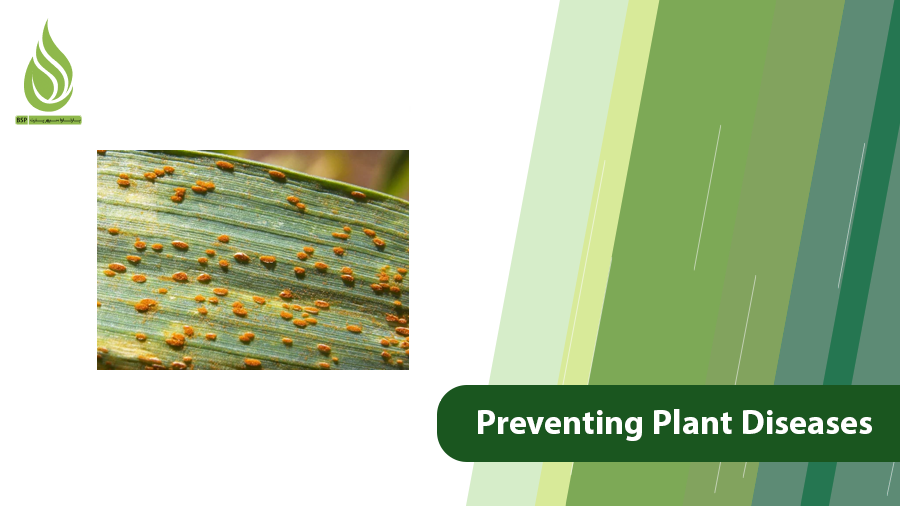
Preventing Plant Diseases: A Practical Guide for Farmers
Every grower knows the sinking feeling of walking through a field or orchard and spotting the first yellow leaf, the first dark spot, the first sign that something isn’t right. Many people treat plant diseases like unpredictable natural disasters, random strikes of bad luck. But the reality is far more hopeful: over 80 percent of plant diseases can be prevented before they ever take hold. The key isn’t faster treatment; it’s shifting your mindset from “curing disease” to preventing plant diseases altogether.
In this comprehensive guide, we’ll cover the major types of diseases that attack crops and trees, the three conditions that must align for an outbreak, and, most importantly, the practical, field-tested methods for preventing plant diseases through smart cultural practices, balanced nutrition, and proactive soil management.
Types of Plant and Tree Diseases

To be effective at preventing plant diseases, you first need to know what you’re up against. The organisms that cause disease in plants and trees fall into three broad categories:
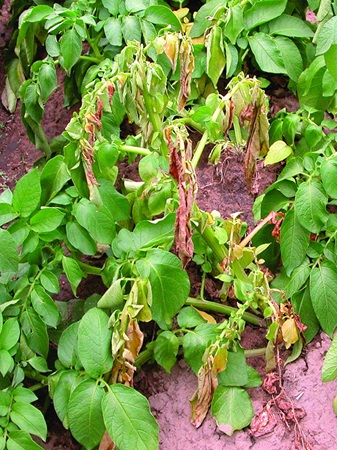
- Fungi: Fungi are the most common and destructive plant pathogens. Their spores spread through soil, water, and air, and they multiply rapidly in moist conditions. Common fungal diseases include anthracnose, powdery mildew, gray mold, blight, and Verticillium wilt. Fungal infections often cause spots, rots, wilting, and a white or gray coating on leaves and stems.
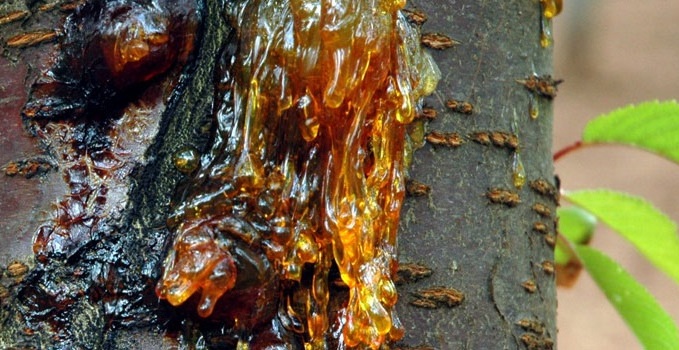
- Bacteria: Bacteria enter plants through wounds—cracks, pruning cuts, insect damage—and destroy tissue from within. Bacterial diseases include bacterial canker, soft rot, and gummosis. They often cause oozing, wet lesions, and a foul smell.
- Viruses: Viruses are typically spread by sap-sucking insects like whiteflies and aphids. Mosaic virus is one of the most familiar examples, causing mottled, distorted leaves and stunted growth. Virus-infected plants can’t be cured; prevention is the only real control.
When any of these pathogens establish themselves, the consequences range from reduced yield and poor quality to complete crop loss. That’s why preventing plant diseases is not just a good idea—it’s the foundation of profitable, sustainable farming.
When Do Plant Diseases Occur? The Disease Triangle
For a plant or tree to actually become diseased, three things must happen simultaneously. This is called the disease triangle, and understanding it is central to preventing plant diseases.
- Presence of a pathogen: The disease-causing organism—fungus, bacterium, virus, or nematode—must be present in the environment. Often, these pathogens are already there, dormant in the soil, on plant debris, or in the air. They’re just waiting for the right conditions to strike.
- A susceptible host plant: Even if a pathogen is present, a strong, healthy plant can often resist infection. However, plants that are stressed—by nutrient deficiencies, drought, physical injury, or overcrowding—have weakened immune systems and become easy targets. Susceptibility turns a latent threat into an active problem.
- Favorable environmental conditions: Most pathogens need specific conditions to thrive: high humidity, moderate temperatures, poor air circulation, and limited sunlight. In these environments, not only do pathogens multiply, but the plant’s own defenses are compromised. The same wet, stagnant air that fuels fungal spores also softens plant tissue, making it easier to invade.
Contaminated soil, over-irrigation, dense planting, poor airflow, and the use of infected tools or contaminated fertilizers all create the perfect storm for disease. When all three corners of the triangle are present, an outbreak can sweep through a field or orchard alarming fast. The goal of preventing plant diseases is to break at least one corner of that triangle, ideally two.
Symptoms of Plant Disease: What to Look For
Recognizing trouble early is a critical skill for preventing plant diseases from spreading. Regular scouting lets you catch problems when they’re still manageable. Watch for:
- Yellowing leaves (chlorosis)
- Black or brown leaf spots
- Leaf curling, distortion, or premature drop
- Root rot or soft, discolored roots
- Twig or branch dieback, stunted growth
- Flower drop or poor fruit set
- Reduced yield and quality
- White powdery coating on leaves, stems, or flowers
Farmers should inspect crops at least once a week, looking closely at both the upper and lower leaf surfaces. Any discoloration, unusual texture, or growth should be investigated. If you spot something suspicious, take samples for diagnosis immediately. Early detection is a cornerstone of preventing plant diseases from becoming full-blown epidemics.
Are Chemical Pesticides the Answer for Preventing Plant Diseases?
Fungicides and bactericides can be valuable tools, but they should never be your first line of defense. Overuse of chemical controls creates resistant pathogen strains, kills beneficial soil microbes, and harms pollinators like bees. Smart growers use chemicals only when necessary—based on expert advice and economic thresholds—and always as a supplement to cultural practices, not a replacement.
The best form of preventing plant diseases is to fix the underlying conditions that invite them: improve soil health, manage water precisely, prune for airflow, and keep plants well-fed. Spraying should be a carefully timed intervention, such as before heavy rains or during dormancy, not a routine habit.
Proven Methods for Preventing Plant Diseases
Here are the key cultural, nutritional, and management strategies that work together to keep crops healthy and break the disease triangle.
1. Smart Water Management
Excess moisture is a fungus’s best friend. Many growers unintentionally invite disease by over-irrigating or watering at the wrong time. For preventing plant diseases through water management:
- Use drip irrigation whenever possible. It delivers water directly to the root zone, keeping foliage dry and humidity low.
- Irrigate early in the morning so that leaf surfaces dry quickly. Avoid evening or nighttime watering, which leaves plants wet for hours and creates ideal conditions for fungal spores.
- Allow the soil surface to dry slightly between irrigations, except for crops that require constant moisture. Saturated soil suffocates roots and promotes root-rot pathogens.
2. Pruning for Health and Airflow
Pruning isn’t just about shaping trees—it’s a frontline defense. Dense canopies trap moisture and block sunlight, creating a humid microclimate perfect for disease. Proper pruning opens the tree’s center, allowing air and light to penetrate. For preventing plant diseases through pruning:
- Remove dead, diseased, or broken branches first.
- Thin out crowded limbs to improve air circulation.
- Always sterilize pruning tools between trees and between cuts on diseased tissue. Use alcohol, a 10% bleach solution, or a commercial agricultural disinfectant. Contaminated shears and saws are one of the most common ways viral and bacterial diseases spread through orchards.
3. Regular Scouting and Monitoring
Weekly field walks are non-negotiable. Catching the first few spots or a small colony of insects makes preventing plant diseases far easier and cheaper. Train yourself and your workers to recognize the early warning signs: subtle color shifts, stippling from mites, honeydew from aphids, tiny cankers on stems.
4. Balanced Plant Nutrition
A well-nourished plant is like a soldier in peak physical condition. Nutrient deficiencies weaken cell walls, slow metabolic processes, and impair the production of defensive compounds. To boost plant immunity and strengthen your disease-prevention efforts:
- Ensure adequate potassium, which regulates water and strengthens tissue.
- Supply calcium to build robust cell walls that resist penetration.
- Provide phosphorus for energy transfer and root development.
- Include micronutrients like zinc, boron, and manganese, which play critical roles in enzyme activation and stress response.
Soil health testing is the only way to know what your soil needs. Draw up a year-round fertilization plan based on test results, and adjust as needed. A balanced nutrition program is a powerful, proactive step in preventing plant diseases.
5. Starting Clean: Healthy Seeds and Seedlings
Disease can be introduced on day one. If the seed or transplant is already infected or weak, no amount of care later will fully compensate. For preventing plant diseases from the start:
- Purchase seeds and seedlings only from reputable, certified sources.
- Inspect transplants carefully: roots should be white and vigorous, not brown or mushy. Stems should be free of wounds, cracks, or gumming. Leaves should be green and spot-free.
- If moving a tree from another location, treat roots and trunk with a disinfectant solution (such as a copper sulfate and lime mix) before planting.
6. Weed Control
Weeds do more than compete for water and nutrients—they harbor pests and pathogens that spread to your crops. Regular weeding removes these reservoirs and is a simple but effective tactic for preventing plant diseases.

7. Crop Rotation and Fallowing
Continuous monocropping depletes specific nutrients and allows specialized pathogens to build up in the soil. Rotating crops disrupts disease cycles. By changing the host plant each season, you starve out pathogens that rely on a single crop family. Fallowing land for a season or planting cover crops further restores soil balance. Crop rotation is one of the oldest and most reliable strategies for preventing plant diseases without chemicals.
8. Orchard and Field Sanitation
Fallen leaves, mummified fruit, and pruned branches are winter hotels for fungal spores, bacteria, and insect eggs. If you leave infected debris in the field, pathogens survive the cold and re-infect new growth in spring. After leaf drop, clean up thoroughly around the base of trees and throughout the field. Burn or deeply bury diseased material—do not compost it unless you can guarantee high heat. Applying a Bordeaux mixture (copper sulfate and lime) to trunks and the soil surface during dormancy can dramatically reduce overwintering pathogen populations.
9. Soil Preparation and pH Correction
Plant health begins below ground. Weak soils grow weak plants, and weak plants are magnets for disease. Soils that are too acidic or too alkaline lock up nutrients, causing hidden hunger that lowers plant defenses. In alkaline soils—common in many arid and semi-arid agricultural regions—phosphorus, iron, and zinc become unavailable. This chronic stress makes crops more susceptible to infection.
For preventing plant diseases through soil management:
- Test your soil every two to three years to monitor pH and nutrient levels.
- If the soil is too alkaline, use a proven acidifying fertilizer to bring pH back into the optimal range. Ammonium sulfate fertilizer is an excellent choice. It contains 21% nitrogen and 24% sulfur, and through biological oxidation of ammonium, it generates hydrogen ions that lower pH in the root zone. This unlocks tied-up nutrients and gives your plants access to the full nutrient buffet they need to mount strong defenses. The sulfur also contributes to protein and oil synthesis, further strengthening plant tissues.
- If soil is too acidic, apply lime to raise pH. You can find more information about adjusting soil pH in this guide.
Increasing soil organic matter with compost or well-rotted manure also supercharges disease suppression. Organic matter feeds beneficial microbes that compete with and antagonize pathogenic organisms, adding a biological layer to your disease-prevention strategy.
Putting It All Together: A Year-Round Approach to Preventing Plant Diseases
Preventing plant diseases is not about one heroic action—it’s about consistently applying a suite of good practices. Start with clean seeds and healthy soil, feed your plants a balanced diet, water wisely, prune for light and air, scout regularly, and clean up every season. Break the disease triangle before it forms, and you’ll spend far less time and money on rescue treatments.
Remember: strong plants in healthy soil rarely get sick. And when diseases do appear, they’ll be isolated incidents, not farm-wide crises. Shift your focus to prevention, and watch your yields, quality, and peace of mind improve year after year.