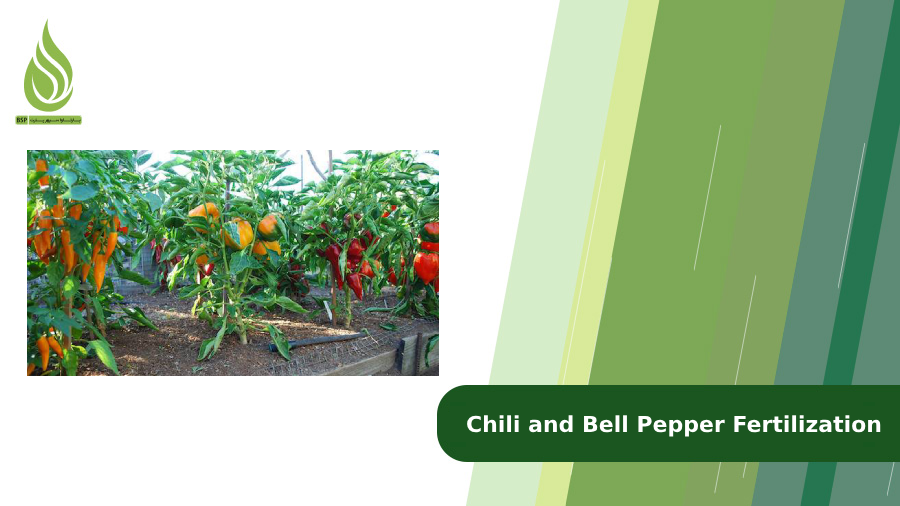
Chili and Bell Pepper Fertilization: Nutrient Requirements from Planting to Harvest
Chili and bell pepper fertilization is a balancing act. Peppers (Capsicum annuum) grow leaves, flowers, and fruit at the same time, and too much of any nutrient at the wrong moment can cost yield. This guide follows the crop from transplanting to harvest, showing what pepper plants need at each stage and how to avoid common problems. It applies to both open-field cultivation and greenhouse pepper production.
Nutritional Requirements of Chili and Bell Peppers
Pepper plant nutrient requirements are moderate to high, and they change as the crop develops. Early on, the plant needs phosphorus for roots and nitrogen for leaves. Once fruit begin to load, potassium and calcium take over as the priorities. Magnesium, sulfur, boron, and zinc also matter, so nutrient balance counts for more than any single input. Think of a good pepper plant fertilizer program as a series of adjustments, not one fixed recipe. Chili and bell pepper fertilization works best when each nutrient arrives when the plant can actually use it.
Chili vs. Bell Pepper Nutrition
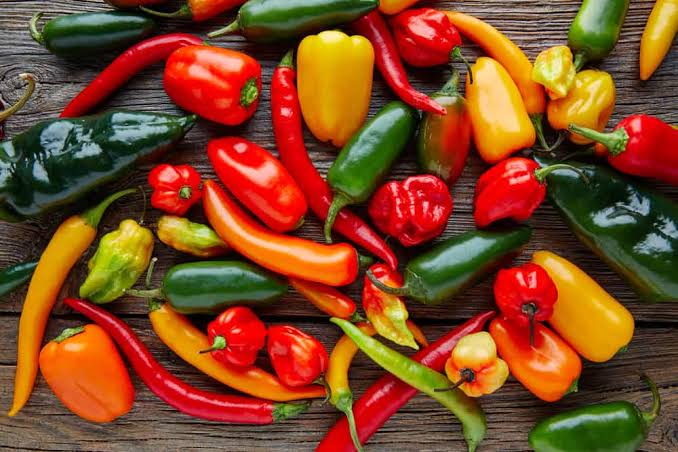
Sweet pepper (bell) and hot pepper (chili) types share the same basic needs, but their crops behave differently. Bell peppers produce large, thick-walled fruit, so bell pepper fertilizer requirements lean heavily on potassium and calcium to support size, firmness, and fruit quality. Chili plants carry many smaller fruit over a longer picking period. Chili pepper fertilization therefore aims to keep plants productive for weeks, which means avoiding excess nitrogen that creates leafy plants with fewer flowers.
Soil Preparation Before Planting
Good chili and bell pepper fertilization starts before the transplants go in. Test the soil and, if you irrigate, the water as well. Peppers generally do best at a soil pH of about 6.0 to 6.8, where most nutrients are readily available. If the soil is acidic, liming adds calcium and magnesium. Work in organic matter to improve drainage and root development, and apply phosphorus and potassium according to test results. Root crops need similar groundwork, as explained in our guide to beet fertilization, but peppers are more sensitive to waterlogging.
Early Vegetative Growth
After transplanting, the plant builds roots and a leaf canopy. Phosphorus supports root development, and nitrogen supports vegetative growth. Nitrogen management at this stage should be steady and moderate. Nitrogen fertilizer for peppers works best in small, regular amounts, since heavy early doses produce soft, lush growth that attracts pests and delays flowering.
Fertilization Before Flowering
As the first buds appear, shift the focus. Keep nitrogen steady rather than increasing it, and begin raising potassium gradually. Make sure calcium and boron are available, because both support healthy flowers. Excess nitrogen at this point is the most common reason for big plants with few blossoms.
Nutrient Management During Fruit Setting
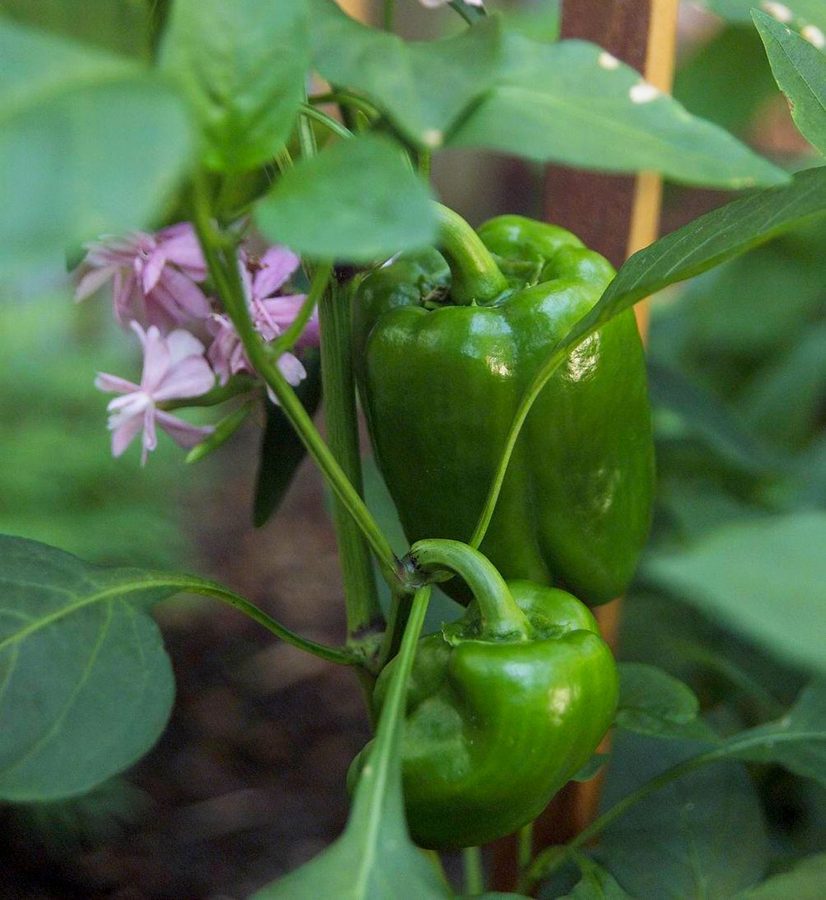
During the flowering stage and fruit setting, plants are easily stressed, and chili and bell pepper fertilization should stay gentle and balanced. Balanced nutrition helps flowers become fruit, while boron and calcium support pollen and cell wall formation. Heat, drought, and irregular watering can also cause flower drop, so manage water along with nutrients. Avoid heavy nitrogen now, since it pushes leaves at the expense of fruit.
Potassium and Fruit Development
Potassium uptake rises sharply as fruit enlarge. Potassium fertilizer for peppers improves size, color, and shelf life, and it helps the plant move sugars into the fruit. These nutrients for pepper fruit development must be supplied steadily, because the plant keeps setting new fruit while earlier ones mature. Keep an eye on the ratio between nitrogen and potassium. A good fertilizer for pepper plants during this stage shifts toward potassium without dropping nitrogen entirely.
Calcium, Magnesium, and Common Nutritional Problems
Calcium nutrition deserves attention because calcium moves with water through the plant and reaches fruit slowly. Blossom-end rot often appears when calcium delivery is disrupted by uneven watering, even if soil calcium is adequate. Magnesium deficiency shows as yellowing between the veins of older leaves and is common on acidic, sandy, or potassium-heavy soils. Sulfur shortages appear first on young leaves. Where sulfur is low, a source such as ammonium sulfate can supply nitrogen and sulfur together. For help identifying other symptoms, see our guide to nutrient deficiency in crops.
Nutritional Priorities by Growth Stage
| Growth stage | Main priorities | Watch for |
|---|---|---|
| Transplanting and early growth | Phosphorus, moderate nitrogen | Weak roots, soft growth |
| Before flowering | Steady nitrogen, rising potassium, boron | Too much leaf growth |
| Flowering and fruit setting | Balanced nutrition, calcium, boron | Poor fruit set, stress |
| Fruit development | Potassium, calcium, magnesium | Small fruit, magnesium deficiency |
| Harvest period | Potassium and nitrogen balance | Declining vigor |
Exact amounts depend on soil tests, irrigation water, variety, and growing conditions, so use this table as a guide to priorities, not quantities.
Pepper Fertilization Schedules: Open Field vs. Greenhouse
A pepper fertilization schedule differs by production system, and the right choice depends on your soil, climate, and equipment. In open-field cultivation, growers typically apply base fertilizer before planting, then side-dress a few times as the crop moves through its stages. Rainfall and sandy soils increase losses, so shorter intervals may be needed.
Greenhouse pepper production often relies on drip irrigation and fertigation. Fertigation delivers small doses frequently, which makes it easy to adjust nutrients by stage. Monitor the pH and electrical conductivity of both the nutrient solution and the drainage to catch imbalances early. Tissue tests every few weeks can confirm that the plants are taking up what you supply.
Common Fertilizer Application Mistakes
Most problems in chili and bell pepper fertilization come from a handful of avoidable errors:
- Applying too much nitrogen early or before flowering.
- Ignoring soil pH, which locks up nutrients.
- Letting potassium fall behind during fruit development.
- Watering unevenly, which disrupts calcium movement.
- Placing fertilizer too close to stems and roots.
- Using the same program for every variety and field.
Putting It Together
Effective chili and bell pepper fertilization follows the plant’s own timeline. Start with soil tests, build roots early, keep nitrogen moderate, and increase potassium as fruit develop. Support it with calcium, magnesium, and micronutrients, and adjust your program each season based on results.