Why Do Sunflowers Stay Short & How to Boost Their Height?
Few sights capture the warmth and optimism of a summer garden like a row of tall, golden-faced sunflowers. Whether you grow them for their stunning ornamental value, for nutrient-dense seeds, or as a commercial crop, a sunflower that reaches its full height is a point of pride. But what if, instead of soaring upward, your Sunflowers remain stubbornly short, thin, and underwhelming? This issue is more common than many gardeners realize, and the good news is that you can do something about it.
In this guide, we’ll explore exactly why sunflowers fail to reach their expected stature and stay short. More importantly, we’ll give you practical, science-backed strategies to fix the problem, and help your sunflowers grow strong, tall, and productive. Along the way, you’ll discover how the right nutrition, including a high-quality ammonium sulfate fertilizer, can transform your garden. Let’s get started.
The Natural Height of a Sunflower, and When to Worry
Sunflowers (Helianthus annuus) come in dozens of varieties. Dwarf cultivars may top out at 12–18 inches, while giant types can exceed 12 feet under ideal conditions. Standard garden and oilseed varieties typically reach anywhere from 5 to 10 feet (1.5 to 3 meters). If your sunflower belongs to a known tall or standard variety but is stagnating at half its expected height, something in its environment is off. The plant is essentially telling you it’s stressed.
Before we jump into the causes, keep in mind that a shorter-than-expected sunflower is not just an aesthetic letdown. Stunted growth usually goes hand in hand with weaker stems, smaller flower heads, and a disappointing seed harvest. That matters whether you’re after cut flowers, birdseed, or the valuable oil and nutrients contained in the seeds.
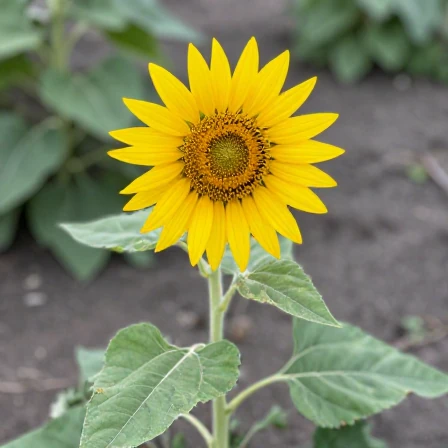
Why Are My Sunflowers Staying Short?
Short sunflowers can result from one factor or, more often, a combination of stressors. We’re going to break them down category by category so you can diagnose your situation.
Poor Soil Fertility and Nutrient Shortages
Sunflowers are heavy feeders. To build a thick stalk, broad leaves, and a large bloom, they demand a steady supply of essential nutrients. When soil is lacking in organic matter or specific elements, the plant shifts into survival mode and vertical growth slows markedly. The macronutrient most directly linked to stem elongation and lush green growth is nitrogen. A nitrogen-starved sunflower will appear pale, thin, and dramatically shorter than a well-fed plant. Phosphorus and potassium are also important, but nitrogen is the driver of height. Without it, you simply won’t get towering plants.
Unfavorable Soil pH
Sunflowers prefer a near-neutral soil pH of about 6.0 to 7.0. In overly acidic or highly alkaline soils, vital nutrients become chemically locked up in forms the roots cannot absorb. Even if your soil test shows adequate nitrogen levels, a pH that’s too low or too high can make that nitrogen unavailable. The result? The plant suffers from a hidden hunger, and the visual cue is often stunted height. This is a sneaky problem because you might be fertilizing correctly yet seeing no results.
Compacted or Poorly Textured Soil
Roots need air and space just as much as they need water and nutrients. Heavy, clay-packed soils that drain poorly will physically restrict root expansion and limit oxygen. On the flip side, extremely sandy soils can drain too quickly, washing away nutrients before the plant can use them. In either case, the root system remains small and inefficient, unable to support the robust above-ground growth you want.
Water Stress: Too Little or Too Much
Sunflowers are somewhat drought-tolerant, but only once established. During the critical early growth phase and the run-up to flowering, insufficient water brings cell expansion to a halt. A plant that wilts repeatedly will never achieve its height potential. However, overwatering is just as damaging. Soggy, waterlogged soil suffocates roots, leading to rot and poor nutrient uptake. Ironically, an overwatered sunflower can look exactly like a drought-stressed one: stunted and miserable.
Temperature Swings and Cold Snaps
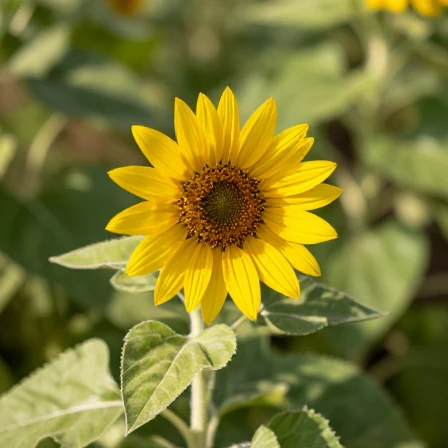
Sunflowers are warmth-loving plants. The sweet spot for robust growth is between 70°F and 80°F (21°C–27°C). If you plant too early while the soil is still chilly—below 50°F (10°C)—germination is slow and early growth is sluggish. A sudden late-spring cold snap can shock seedlings, and even if they survive, they may never regain full vigor. Length of growing season matters too; a cold early autumn can cut development short.
Lack of Full Sun
The name “sunflower” is no accident. These plants are heliotropic, tracking the sun’s movement across the sky. For strong, tall stems, they need a minimum of 6 to 8 hours of direct, unfiltered sunlight every day. A location shaded by buildings, fences, or larger trees will cause sunflowers to stretch weakly toward the light, often resulting in spindly, short, or leaning plants. Adequate sunlight drives photosynthesis, the engine of growth. Cut the light, and you cut the height.
Wind Damage and Physical Stress
Constant strong winds physically batter plants. The microfractures in stems and shredded leaves force the sunflower to channel energy into repair rather than upward growth. Seedlings can be uprooted entirely. Even established plants exposed to regular gusts may instinctively limit their height to avoid being broken.
Pests and Diseases
Aphids, spider mites, root-feeding larvae, and fungal diseases drain the plant’s resources. A sunflower fighting off an infestation or infection has less energy to invest in getting taller. Regular scouting is essential because pest damage often goes unnoticed until the stunting effect is already visible.
Weed Competition
Weeds are thieves. They steal water, nutrients, and sometimes even light from your sunflowers. Young sunflowers surrounded by vigorous weeds will almost always come off second best, remaining short and weak. The critical period is the first four to six weeks after emergence, when the crop canopy hasn’t yet closed.
Overcrowding
Planting seeds too close together creates intense competition between your sunflowers themselves. Each plant races for sunlight, and none gets enough. The natural result is a stand of thin, leggy, short sunflower that never reach their individual potential. Proper spacing gives each sunflower its own root territory and light exposure.
How to Boost Sunflower Height

Now that you know the reasons, let’s turn to solutions. These are the steps professional growers and savvy home gardeners take to get impressive, tall sunflowers season after season.
Enrich the Soil with Organic Matter
Before planting, work well-rotted compost or aged manure into the top 8–12 inches of soil. Organic matter can improve soil structure, increases water-holding capacity in sandy soils, and creates air pockets in heavy clay. It also feeds beneficial microbes that slowly release nutrients. This foundational step alone can solve many of the texture and fertility problems that lead to short sunflowers.
Test Your Soil and Correct pH
A laboratory soil test is your best friend. It tells you exactly what your pH is and which nutrients are deficient. If pH is too low (acidic), limestone can raise it; if too high (alkaline), elemental sulfur or an acid-forming fertilizer can bring it down. For sunflowers, keeping pH in the 6.0–7.0 window ensures that nitrogen, phosphorus, and crucial micronutrients like boron and zinc remain available. Don’t guess—test.
Design a Targeted Sunflower Fertilization Plan
This is where you can directly influence height. Based on your soil test results, apply a balanced nutrient program. Because nitrogen is the key growth driver, a nitrogen-rich fertilizer is essential early in the season. One of the most effective and practical choices is ammonium sulfate fertilizer. Containing 21% nitrogen and 24% sulfur, it delivers a rapid green-up and fuels stem elongation. The sulfur content also gently acidifies the root zone, making it especially valuable in alkaline soils where pH can lock up other nutrients. Applied at the 4–6 leaf stage, ammonium sulfate gives sunflowers the surge of growth they need to reach impressive heights.
Select the Right Variety for Height
If your goal is sky-high sunflowers, pick genetics that match. Modern branching varieties or giants such as ‘Russian Mammoth’, ‘Titan’, or ‘American Giant’ have the genetic potential for serious height. Always buy seed from reputable sources to ensure high germination and vigorous starts.
Space Seeds Correctly
For tall varieties, plant seeds 18 to 36 inches (45–90 cm) apart in rows spaced 30 inches or more. This gives each plant its own space to develop an expansive root system and catch full sun without neighbors pressing in. Thinning seedlings to the recommended spacing is hard for some gardeners emotionally, but it’s the single most effective non-chemical step you can take for height and stem strength.
Time Your Planting
Wait until the soil has warmed to at least 50°F (10°C), ideally 55–60°F, before sowing. In many U.S. regions, this is roughly two weeks after the last spring frost. Planting into warm soil promotes rapid, even emergence and vigorous early growth—the foundation for a tall mature plant.
Maximize Sun Exposure
Choose a planting site with zero shade during the middle of the day. South-facing or open-field locations are ideal. If you must plant near a structure, keep sunflowers on the south side and at a distance that avoids afternoon shadows.
Water Deeply and Consistently
Provide 1 to 1.5 inches of water per week, split into two deep soakings rather than daily light sprinklings. Deep watering encourages roots to grow downward, anchoring the tall plant and accessing deeper moisture. Use drip irrigation if possible to keep foliage dry and reduce disease. Always allow the soil surface to dry slightly between waterings to avoid root rot.
Shield Young Plants from Wind
In wind-prone areas, install temporary windbreaks such as shade cloth stretched over stakes or plant a protective strip of dense shrubs. For extra-tall varieties, be prepared to stake individual plants once they pass 4–5 feet. Use soft ties to avoid damaging the stem.
Adopt a Proactive Pest and Disease Routine
Inspect plants twice a week. Look under leaves for aphids, mites, or tiny caterpillars. Spot-treat with insecticidal soap or a strong jet of water. For fungal issues like powdery mildew or leaf spots, improve air circulation and apply organic-approved fungicides early. Keeping plants healthy eliminates the stress that suppresses height.
Weed Control and Mulching
Lay down 2–3 inches of organic mulch (straw, wood chips) around plants, keeping it a few inches away from the stems. Mulch smothers weeds, conserves moisture, and moderates soil temperature. If weeds break through, remove them by hand or with shallow cultivation to avoid disturbing sunflower roots.
Consider Tip Pruning with Caution
Some experienced growers pinch off the very tip of the main stalk when the plant is about 18–24 inches tall. This can redirect energy into fewer, taller growth points, but it also risks reducing bloom size. It’s an advanced technique; if you’re after pure height with one massive flower, skip this and rely on perfect nutrition and spacing instead.
Bringing it all together for Tall sunflowers
Short, underperforming sunflowers don’t have to be your reality. By diagnosing the underlying cause—whether it’s depleted soil, a pH imbalance, water missteps, or simple overcrowding—and then systematically applying the fixes we’ve outlined, you can transform your sunflower patch. Start with a soil test, enrich the planting area, choose the right variety, and feed purposefully with a nitrogen-rich fertilizer like ammonium sulfate.
At Barsava Sepehr Part, we understand the science of plant nutrition because we live it. Our crystalline ammonium sulfate is manufactured to help growers across the Middle East, Central Asia, and beyond solve their crop height and vigor challenges. When your sunflowers receive the nitrogen and sulfur they need in a readily available form, you’ll see the difference: thicker stalks, deeper green leaves, and the impressive heights that make sunflowers such a beloved crop everywhere from Iranian farms to European backyard gardens. Give your sunflowers the foundation they deserve, and watch them rise.