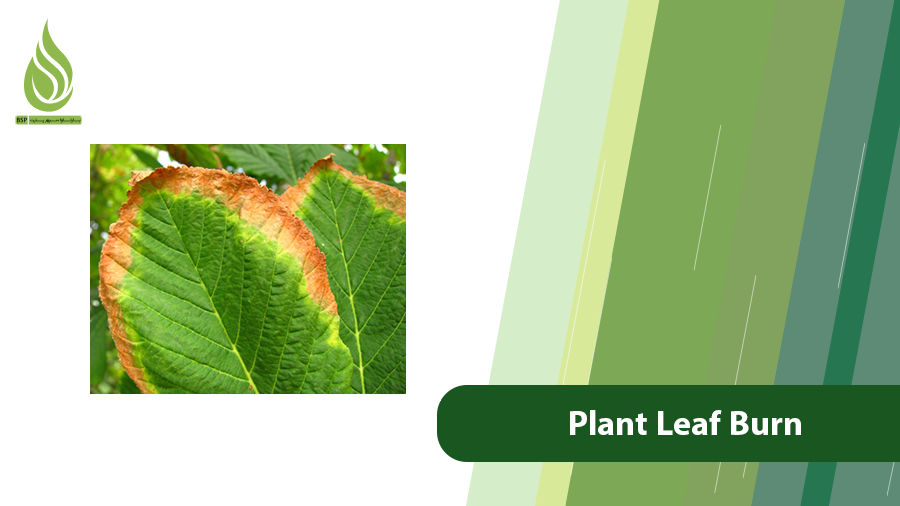
Plant Leaf Burn in the Field: Causes, Solutions, and Prevention
Plant leaf burn is one of those problems that can turn a promising growing season into a source of constant worry. You walk your rows and notice brown, crispy edges on foliage that was lush and green just days before. Left unchecked, plant leaf burn can spread across entire leaves, cutting into photosynthesis, weakening the crop, and reducing both yield and quality. The silver lining is that most causes of leaf burn are well understood, and entirely fixable.
This guide breaks down the main triggers of plant leaf burn in agricultural fields, from environmental stress to hidden nutrient deficiencies, and provides practical, field-tested solutions.
What Is Plant Leaf Burn and Why Should You Act Quickly?
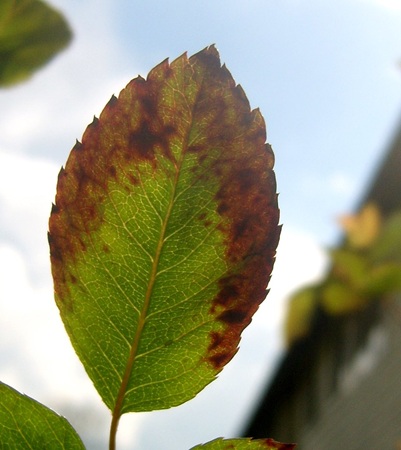
Plant leaf burn refers to the browning, drying, and death of leaf tissue along the edges, tips, or in patches across the blade. It’s a symptom, not a disease in itself, signaling that something in the plant’s environment or internal chemistry is out of balance. When plant leaf burn appears, the plant is essentially sounding an alarm: its water transport is disrupted, its cells are being damaged, or it can’t access the nutrients required to maintain healthy tissue.
Because leaves are the primary engines of photosynthesis, any loss of green leaf area directly reduces the plant’s ability to produce energy. If the underlying cause isn’t corrected, burn symptoms progress from cosmetic damage to serious yield loss. Recognizing the early signs of plant leaf burn and responding quickly can mean the difference between a minor setback and a compromised harvest.
Key Causes of Plant Leaf Burn and How to Fix Them
1. Intense Sunlight and Radiant Heat
Direct, high-intensity sunlight, especially during the scorching afternoon hours, can overheat leaf tissue faster than the plant’s transpiration system can cool it. The result is plant leaf burn that shows up as bleached white or yellow patches, papery brown spots, or entirely dried-out leaves. Some crops, such as peppers, young lettuce, and many ornamentals, are particularly vulnerable to solar injury.
Practical solutions:
- Install shade cloth on the hottest days. For vegetables and fruiting crops, 30 to 50 percent shade density is usually sufficient; for sensitive transplants and shade-loving plants, 50 to 70 percent is better. Run the cover from late morning to late afternoon when UV intensity peaks.
- Optimize planting density. Slightly closer spacing creates natural mutual shading, where upper foliage protects the lower canopy from direct rays. Just avoid overcrowding, which can trigger other problems like poor air circulation and fungal diseases.
- Orient rows north-to-south to distribute sunlight more evenly across the day rather than blasting one side of the plant all afternoon.
2. Nutrient Deficiencies That Trigger Plant Leaf Burn
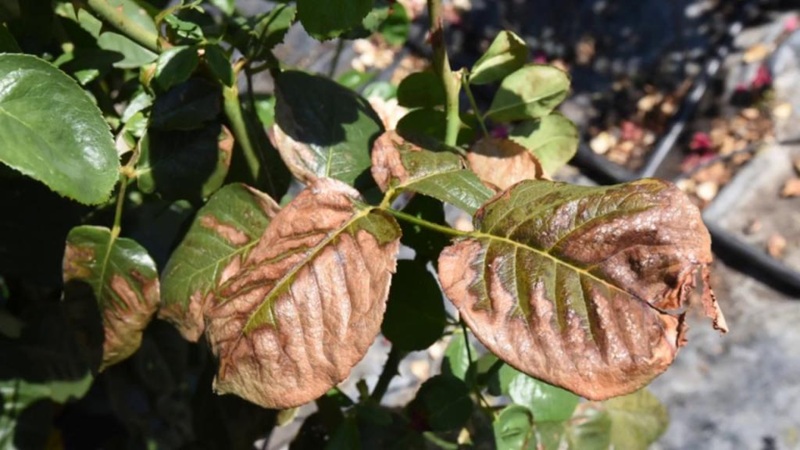
Nutrient shortages are among the most common, and most overlooked, causes of plant leaf burn. When plants lack specific elements, metabolic processes falter, and leaf tissue begins to die back, often starting at the edges or tips. Key deficiencies linked to leaf burn include:
- Nitrogen: A nitrogen-starved plant pulls this nutrient from older leaves to feed new growth. Older foliage turns pale green to yellow, then tips and edges brown and dry out, contributing to classic plant leaf burn patterns. You can take a look at our guide to increase soil nitrogen, for more information.
- Potassium: Often called “margin burn,” potassium deficiency causes yellowing and browning at the leaf edges that moves inward. Potassium regulates stomatal function and water movement, so a shortage quickly manifests as tissue death.
- Sulfur: Sulfur deficiency causes overall yellowing and the development of small brown necrotic spots. Because sulfur is essential for synthesizing certain amino acids, its absence leads to protein breakdown and visible plant leaf burn.
- Calcium: As an immobile nutrient, calcium deficiency shows up on the newest leaves first, with brown, burned tips and distorted growth.
Practical solutions:
- Start with a soil test. A laboratory analysis reveals exactly which nutrients are low and at what pH, removing the guesswork from fertilization.
- Time nutrients to growth stages. Nitrogen demand peaks during early vegetative growth, while potassium is critical during fruit fill and maturation. Applying the right element at the wrong time is wasteful and can actually contribute to plant leaf burn if imbalances occur.
- Use a combined nitrogen and sulfur source. For fields where both nitrogen and sulfur are limiting, ammonium sulfate (21% nitrogen, 24% sulfur) is an efficient, fast-acting choice. The nitrogen fuels deep greening and leaf expansion, while the sulfur corrects hidden hunger and gently lowers the pH in the root zone. In alkaline soils—common in many agricultural regions—this pH shift improves the availability of micronutrients like iron and zinc, further reducing the risk of plant leaf burn caused by complex deficiencies.
3. Over-Fertilization and Chemical Burns
The irony of plant leaf burn is that sometimes it comes from trying too hard. Over-application of chemical fertilizers concentrates salts in the root zone, pulling water out of root cells through osmosis. The roots become chemically burned, and the damage moves upward: the plant can’t move water to its leaves, and the foliage scorches. Pesticide burn can occur when products are mixed too strong, applied under hot sun, or used on sensitive varieties.
Practical solutions:
- Test before you feed. Soil testing prevents the buildup of excess nutrients that cause salt stress and plant leaf burn.
- Follow label rates precisely. For both fertilizers and crop protection products, the recommended rate is based on research. Exceeding it rarely helps and often harms.
- Source from reputable brands. Impure or mislabeled products can contain contaminants that burn plants. Stick with known manufacturers and authorized dealers.
- Leach excess salts. If you suspect over-fertilization, irrigate deeply to flush salts below the root zone. Repeat if necessary, and hold off on further feeding until the plant recovers.
- Apply during cool hours. Pesticides should be sprayed early in the morning or late in the evening to avoid phytotoxic reactions with intense sunlight.
4. Water Stress: Both Under- and Over-Watering
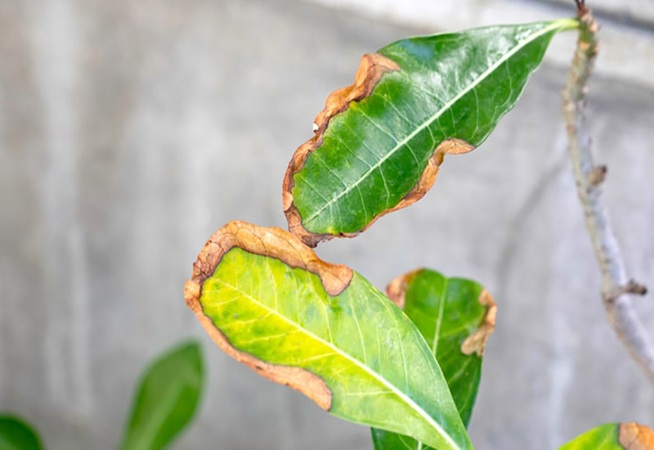
Water is at the center of almost every case of plant leaf burn. Too little water, and leaf cells desiccate—tips and edges turn brown and brittle. In hot, dry weather, this can happen shockingly fast. Too much water, and the soil becomes waterlogged, driving out oxygen. Roots suffocate, rot sets in, and the plant above ground shows symptoms that mimic drought: yellowing, then brown necrotic patches. The leaves of over-watered plants often feel soft rather than crisp, and the soil may smell sour or have visible fungal growth on the surface.
Practical solutions:
- Monitor soil moisture actively. Feel the soil at root depth before irrigating. If it’s dry a couple of inches down, it’s time to water. If it’s still moist, hold off.
- Fix drainage issues. Heavy clay soils benefit from organic matter amendments to improve percolation. In extreme cases, install subsurface drainage or plant on raised beds.
- Switch to drip irrigation. Drip systems deliver water precisely to the root zone, minimize evaporation, and keep foliage dry, reducing the risk of both plant leaf burn and foliar diseases. You can find out more about leaf diseases, in this guide.
- Irrigate deeply and less often. Deep watering encourages roots to grow downward, making plants more resilient to heat and dry spells.
5. Temperature Extremes
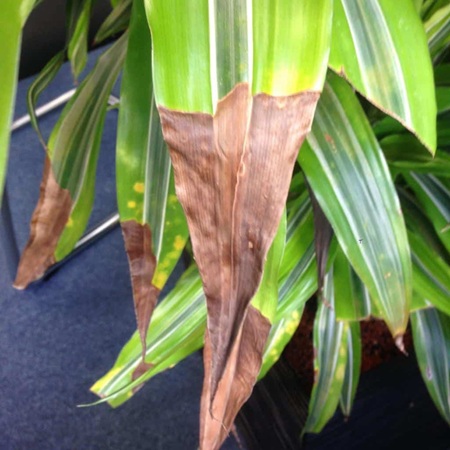
Both heat waves and cold snaps can cause plant leaf burn. When temperatures soar, transpiration spikes, and the plant’s vascular system can’t keep up with the demand for cooling. Leaves overheat, and tissue dies. Hot, dry wind amplifies the effect. Cold damage, from frost or sudden chills, ruptures cell walls. Once the tissue thaws, it turns black, water-soaked, and clearly burned.
Practical solutions:
- Plant adapted varieties that are bred for heat tolerance or cold hardiness, depending on your climate challenges.
- Use protective structures. Shade cloth during heat waves and row covers or frost blankets during cold snaps buffer the plant from the worst extremes.
- Time planting carefully. Avoid setting out sensitive transplants when extreme temperatures are forecast. Harden seedlings off gradually to toughen them up before they hit the field.
6. Pests and Diseases That Cause Plant Leaf Burn
Biotic stress is a frequent contributor to plant leaf burn. In fact, there are many factors that cause plant stress. Fungal and bacterial pathogens—such as early blight, bacterial leaf spot, and anthracnose—invade tissue and kill cells, creating necrotic lesions that look burned. Sap-sucking insects like aphids, mites, and thrips drain the plant’s fluids and inject toxins, leaving stippled, silvery, or brown feeding damage that can merge into large burned areas.
Practical solutions:
- Scout fields twice a week. Turn leaves over and look for the earliest signs of pests or disease. Early intervention prevents minor issues from becoming major plant leaf burn events.
- Practice rigorous sanitation. Remove and destroy infected leaves. Don’t compost diseased material. Clean tools when moving between different parts of the field.
- Ensure good airflow. Proper plant spacing and, where appropriate, canopy pruning reduce humidity and make conditions less favorable for fungal pathogens.
- Adopt integrated pest management (IPM). Use beneficial insects, insecticidal soaps, and horticultural oils before turning to broad-spectrum chemicals. Rotate pesticide classes to avoid resistance.
Seven Proactive Strategies to Prevent Plant Leaf Burn
- Know your crop’s requirements. Each plant species has specific needs for light, water, temperature, and nutrition. Align your field practices with those needs from day one.
- Inspect plants frequently. Catching the earliest signs—slight discoloration, curling, or stippling—allows you to correct problems before plant leaf burn becomes extensive.
- Build healthy soil. Soil rich in organic matter with good structure and drainage supports vigorous root systems and steady nutrient availability, making plant leaf burn far less likely. You can take a look at our guide to improve soil structure for more information.
- Select regionally adapted varieties. Start with genetics that are proven in your climate and have natural tolerance to common local stressors, from heat to disease.
- Manage soil moisture precisely. Use tools like tensiometers or simple manual checks, and irrigate with drip systems when possible. Consistent, appropriate moisture is one of the strongest defenses against plant leaf burn.
- Control light exposure during extremes. Give crops full sun, but intervene with shade cloth when temperatures climb beyond the plant’s comfort zone. Strategic plant spacing adds a natural layer of protection. Temperature has effect on plants.
- Feed plants completely and on schedule. A soil-test-based fertilization plan that covers all macro- and micronutrients eliminates the hidden hungers that lead to deficiency-driven plant leaf burn. A product like ammonium sulfate can simultaneously supply nitrogen for growth and sulfur for metabolic health, simplifying the nutrition program.