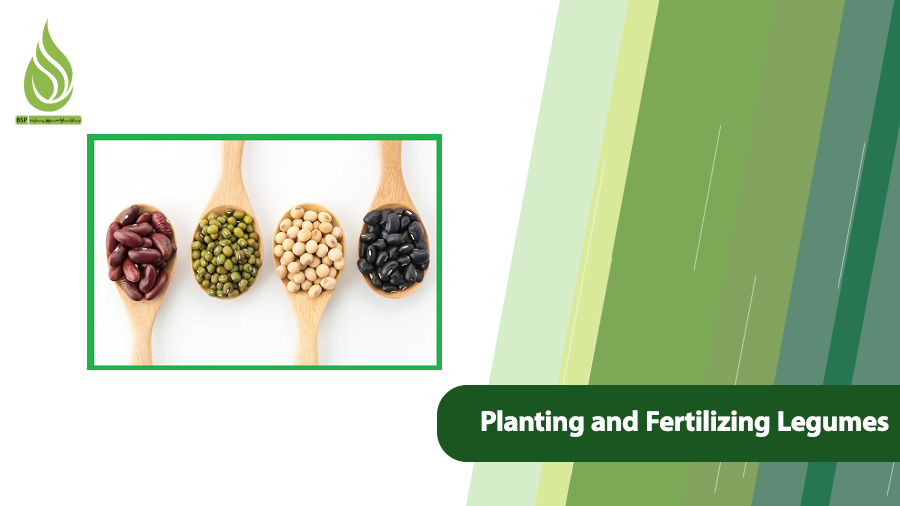
Planting and Fertilizing Legumes (From Sowing to Harvest)
Legumes such as beans, chickpeas, lentils, peas, and fava beans are important crops for both food production and soil management. However, good yields depend on more than simply planting the seeds and keeping the soil watered. Proper soil preparation, planting time, nutrient management, irrigation, and crop monitoring all influence plant growth and final yield. Fertilizing legumes also requires a different approach from many other crops. Legumes can form a relationship with Rhizobium bacteria that allows them to fix atmospheric nitrogen, so applying large amounts of nitrogen fertilizer is not always necessary. Instead, fertilizer decisions should be based on the crop, soil test results, previous crop history, nodulation, and expected yield. This guide explains how to plant and fertilize legumes from sowing to harvest, including the main nutrients they need and when fertilizer applications are most useful.
What Are Legumes?
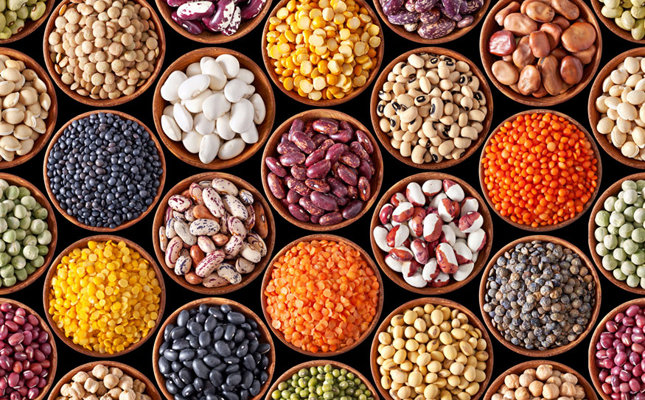
Legumes are plants in the Fabaceae family. Common agricultural legumes include:
- Beans
- Chickpeas
- Lentils
- Peas
- Fava beans
- Soybeans
- Alfalfa
- Clover
One of the most important characteristics of legumes is their relationship with Rhizobium bacteria. These bacteria form nodules on the roots of compatible legumes and help convert atmospheric nitrogen into forms the plant can use. However, nitrogen fixation is not automatic or equally effective in every field. The correct Rhizobium strain, suitable soil conditions, adequate pH, and sufficient phosphorus and potassium all contribute to successful nodulation. In fields where the appropriate bacteria are absent or ineffective, seed inoculation can help establish the relationship. For this reason, a good legume fertilization program should focus on balanced nutrition rather than simply adding more nitrogen.
Choosing the Right Conditions for Planting Legumes
Before planting, check the basic conditions of the field.
Soil
Most legumes perform well in fertile, well-drained soils. Waterlogged conditions can restrict root development and increase the risk of root diseases. A soil test should be carried out before planting whenever possible. It can provide information about soil pH and available nutrients, helping you decide whether phosphorus, potassium, sulfur, or other nutrients are required.
Soil pH
The ideal pH varies by legume species, but many commonly grown legumes perform well in slightly acidic to neutral soils. Soil pH is particularly important because it affects nutrient availability and the activity of beneficial soil microorganisms. Very acidic conditions can also reduce the survival and activity of Rhizobium bacteria. Do not use fertilizer as a substitute for proper soil pH management. If the soil requires correction, use an appropriate amendment based on a soil test.
Moisture and Drainage
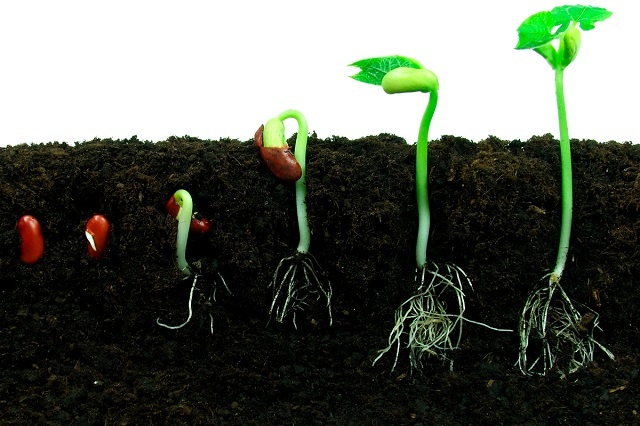
Legume seeds need adequate moisture for germination, but saturated soil can reduce oxygen around the roots and damage emerging plants. Maintain consistent soil moisture during establishment and pay particular attention to irrigation during flowering and early pod formation. Water stress during these stages can reduce pod set and yield.
Sunlight
Most grain and vegetable legumes perform best with adequate sunlight. A suitable planting density helps the crop receive enough light while also improving air movement through the canopy.
When Should You Plant Legumes?
Planting time depends on the species, variety, climate, and local growing season. For example, beans generally require warmer soil than peas or lentils, while fava beans can tolerate cooler conditions. Chickpeas and lentils are commonly grown in cooler parts of the growing season in many production areas.
Instead of following one calendar date for every legume, use local temperature, soil conditions, and the recommended planting window for the specific crop and variety. The goal is to establish the crop under conditions that support rapid and uniform emergence without exposing young plants to unsuitable heat, cold, or excessive moisture.
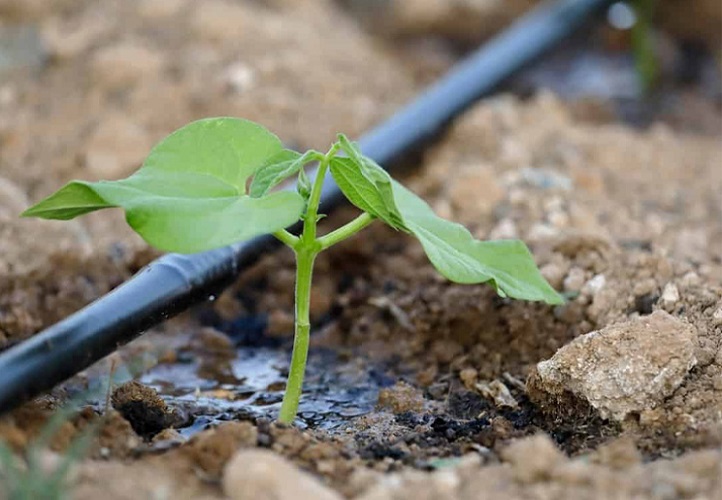
How to Plant Legumes
1. Prepare the Soil
Prepare a firm but well-aerated seedbed and remove competing weeds before sowing. If a soil test shows a nutrient deficiency, apply the required fertilizer before or during planting according to the crop recommendation. Phosphorus and potassium are often managed as part of the base fertility program, while sulfur may be needed where soil tests indicate insufficient available sulfur.
2. Inoculate the Seed When Needed
Seed inoculation can be especially useful when a compatible Rhizobium population is unlikely to be present in the soil. The inoculant should be suitable for the specific legume. Rhizobium strains are not interchangeable between all legume species.
3. Sow at the Correct Depth
Seed depth and spacing depend on the crop, seed size, soil type, and planting system. Follow the recommendations for the specific species and variety rather than using one spacing rule for every legume. Avoid planting too deeply in heavy soils, where emergence may be slow or uneven.
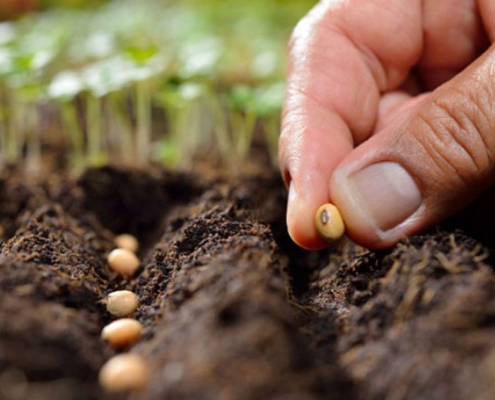
4. Water After Planting
Provide enough moisture to support germination and establishment. Avoid prolonged waterlogging, particularly in heavy soils.
5. Control Weeds Early
Young legumes compete poorly with aggressive weeds. Early weed control prevents competition for water, light, and nutrients and gives the crop a better chance to establish a strong canopy.
Fertilizing Legumes: What Nutrients Do They Need?
Legumes need nitrogen, phosphorus, potassium, sulfur, and several micronutrients, but the required amounts vary considerably between crops and fields. The best fertilizer program begins with a soil test rather than a fixed application rate.
Nitrogen
Nitrogen requires special attention in legumes because of biological nitrogen fixation. A well-nodulated legume can obtain a substantial part of its nitrogen requirement through its relationship with Rhizobium bacteria. Applying excessive nitrogen can also discourage the plant from forming or maintaining effective nitrogen-fixing relationships.
Some crops and fields may still require a small amount of nitrogen, particularly during establishment or where nodulation is poor. The amount should be based on the crop, soil conditions, previous cropping history, and local recommendations. Avoid treating nitrogen fertilizer as a routine solution for every legume crop.
Phosphorus
Phosphorus supports root development, energy transfer, and reproductive growth. Adequate phosphorus is also important for establishing effective legume nodulation. If a soil test shows low phosphorus, the required amount is commonly incorporated into the pre-plant or planting fertility program.
Potassium
Potassium contributes to water regulation, enzyme activity, stress tolerance, and crop development. It becomes particularly important when the crop is producing and filling seeds. Where soil potassium is low, apply potassium according to soil test recommendations and the nutrient removal expected from the crop.
Sulfur
Sulfur is important for protein formation and plant metabolism, and legumes can have a significant sulfur requirement. Sulfur deficiency can resemble nitrogen deficiency, with pale or stunted plants. A soil or tissue test can help distinguish nutrient problems and determine whether additional sulfur is needed. Sulfate-based fertilizers provide sulfur in a form that is readily available to plants. Extension recommendations for beans and faba beans, for example, include sulfate sulfur applications where soil conditions indicate a need.
Micronutrients
Legumes may also require micronutrients such as zinc, boron, iron, manganese, and molybdenum. However, these should not be applied automatically. Micronutrient applications should be based on soil tests, plant tissue analysis, known field deficiencies, and crop-specific recommendations. Excess micronutrients can damage plants, so more is not necessarily better.
Another way to plant legumes is through a method called transplanting seedlings. In this approach, seeds are first planted in a controlled environment, such as a greenhouse. Once the seedlings have grown enough, they are then moved to the main field. When the seedlings reach a suitable height and develop a few true leaves, they are ready to be transplanted. Care is taken to gently remove them from the soil and plant them at appropriate distances in the main field. After transplanting, it’s important to water the seedlings so that their roots can adjust to the new soil.
Legume Fertilizer Schedule: From Planting to Harvest
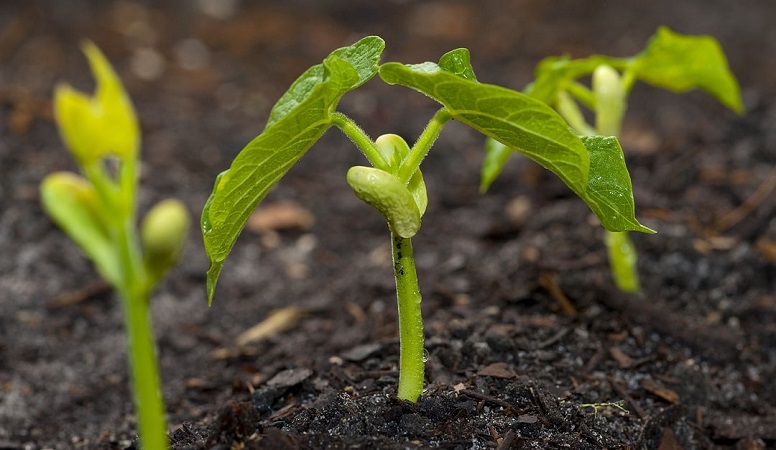
There is no single fertilizer schedule that works for every legume. However, the crop’s growth stages provide a useful framework for deciding when to check nutrient availability.
Before Planting
Start with a soil test. Correct major nutrient deficiencies and soil pH problems before planting when possible. Apply phosphorus and potassium according to soil test recommendations. If sulfur is deficient, a sulfate fertilizer can be incorporated into the fertility program. Ammonium sulfate can be considered where both sulfur and a suitable amount of nitrogen are required, because it supplies nitrogen and sulfate sulfur in one fertilizer. However, do not apply ammonium sulfate fertilizer simply because the crop is a legume. The nitrogen supplied by the fertilizer must be included in the crop’s total nitrogen budget.
Early Growth
During early growth, monitor emergence, plant color, root development, and nodulation. If the crop has been properly inoculated and healthy root nodules are developing, additional nitrogen may not be necessary. If plants show poor growth, investigate the underlying cause before increasing nitrogen fertilizer. Check soil moisture, pH, root health, nutrient availability, and nodulation rather than assuming that slow growth is caused by nitrogen deficiency.
Before Flowering
As the crop approaches flowering, the focus shifts toward maintaining balanced nutrition and avoiding excessive vegetative growth. Phosphorus and potassium should already be available at adequate levels. If a deficiency is confirmed, correct it using the appropriate fertilizer source and application method. Avoid excessive nitrogen at this stage because lush vegetative growth does not necessarily translate into better pod production.
Flowering and Pod Formation
Flowering and early pod formation are sensitive stages for many legumes. Maintain consistent soil moisture and monitor the crop for nutrient deficiencies, pests, and disease. Adequate potassium can support water regulation and reproductive development, while sulfur remains important for protein formation. Where deficiencies are confirmed, fertilizer applications should follow crop-specific recommendations.
If your legumes are flowering but failing to produce pods, do not immediately add more fertilizer. Water stress, excessive heat, poor pollination, pests, disease, and nutrient imbalance can all contribute to poor pod set.
Seed Development and Pod Filling
During seed filling, the crop is transferring nutrients and photosynthetic products into developing seeds. Maintain adequate soil moisture and continue monitoring crop health. Potassium may be particularly important where soil levels are insufficient. Do not apply late nitrogen automatically. Excess nitrogen late in the season can encourage continued vegetative growth rather than improving seed development.
When Does Ammonium Sulfate Make Sense for Legumes?
Ammonium sulfate contains nitrogen and sulfur, making it useful when both nutrients are needed. It can be particularly relevant where soil testing for legume fertilization identifies a sulfur deficiency and the crop also requires supplemental nitrogen. The sulfate portion is readily available to plants, while the ammonium form supplies nitrogen without the same volatilization concern associated with surface-applied urea under suitable conditions. For legumes, however, application timing and rate require more care than simply following a general nitrogen fertilizer schedule.
If effective biological nitrogen fixation is already supplying much of the crop’s nitrogen requirement, excessive ammonium sulfate can provide more nitrogen than the crop needs. Apply it only when the overall fertility plan shows that supplemental nitrogen and sulfur are appropriate. For fields where sulfur is the main concern, other sulfate fertilizers may also be suitable. The best choice depends on the required nutrients, soil conditions, application method, and local fertilizer recommendations.

How to Avoid Over-Fertilizing Legumes
More fertilizer does not automatically mean higher yields. Avoid common mistakes such as:
- Applying large amounts of nitrogen without checking soil and crop requirements
- Ignoring Rhizobium inoculation and nodulation
- Applying phosphorus or potassium without considering soil test results
- Treating every yellow plant as nitrogen deficient
- Applying micronutrients without evidence of a deficiency
- Applying fertilizer immediately before heavy rainfall when nutrient losses are likely
- Using the same fertilizer program for beans, chickpeas, lentils, and fava beans
A well-designed fertilizer program should match the crop’s nutrient demand with the soil’s existing nutrient supply.
Harvesting Legumes
Harvest timing depends on whether the crop is being harvested as a fresh vegetable, green seed, or dry grain. For dry legumes, the crop is generally harvested when the pods and seeds have reached physiological maturity and the seeds have sufficiently dried for harvesting and storage. Fresh beans and fava beans are harvested much earlier, while the pods and seeds are still tender. Always follow the maturity characteristics of the specific crop and variety. Harvesting too early can reduce seed weight, while waiting too long can increase shattering and field losses in some crops.
Final Tips for Planting and Fertilizing Legumes
Successful legume production starts with the right crop, suitable planting conditions, and a fertility program based on actual field needs. Remember these principles:
- Test the soil before building a fertilizer program.
- Choose the planting date according to the crop and local climate.
- Use the correct Rhizobium inoculant when needed.
- Do not assume legumes require large amounts of nitrogen.
- Pay attention to phosphorus, potassium, and sulfur as well as nitrogen.
- Use ammonium sulfate when its nitrogen and sulfur supply fits the crop’s actual requirements.
- Monitor moisture carefully during flowering and pod formation.
- Investigate the cause of poor growth before applying more fertilizer.
- Adjust fertilizer rates and timing according to crop, soil, climate, and yield target.
- When fertilizing legumes, keep in mind the fertilizer mixing law. It’s a good idea to use a complete micronutrient fertilizer to ensure that the soil gets all the necessary trace elements.
Good nutrient management is not about applying the most fertilizer. It is about supplying the right nutrient at the right time and in the right amount.