Cabbage Fertilization: A Guide to Grow Cabbage
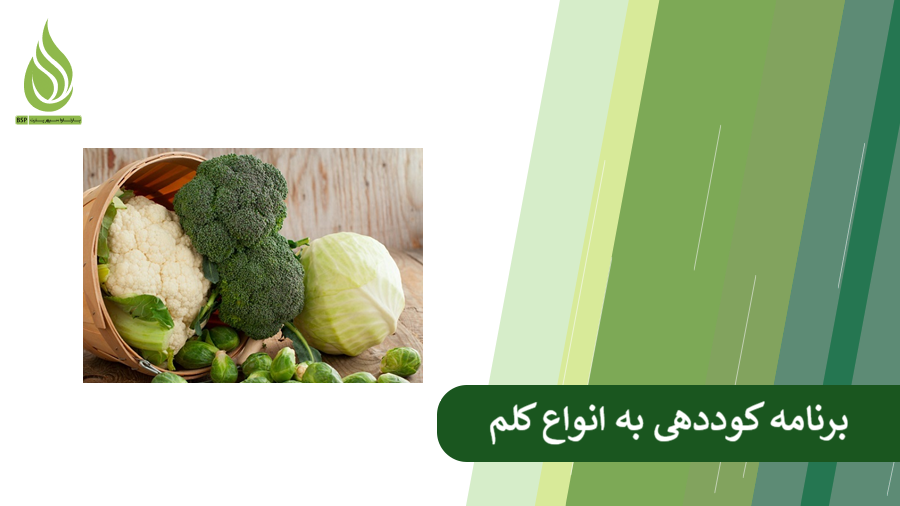
Cabbage is one of the healthiest and most popular vegetables globally. Renowned for its rich vitamin content, antioxidants, and dietary fiber, it holds a special place in kitchens and diets around the world, particularly in the Middle Eeast. The cabbage family is diverse, with the most notable members being cabbage (both green and red), broccoli, and cauliflower. Given the high demand for these cruciferous vegetables, managed cultivation can lead to a premium harvest and significant profitability. However, achieving high-quality, flavorful cabbage requires strict attention to the plant’s nutritional needs. Proper nutrition not only influences optimal growth but also dictates the health and market quality of the final product. In this guide, we will introduce the best fertilizers to enhance cabbage growth and provide a fertilization schedule based on the plant’s growth stages.
The Importance of Fertilization in Successful Cabbage Cultivation
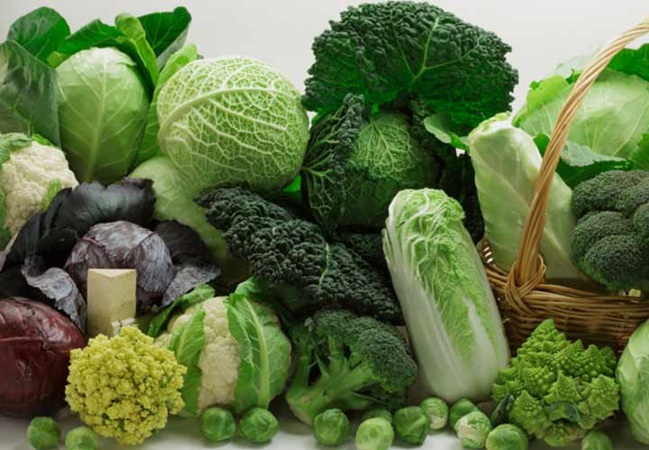
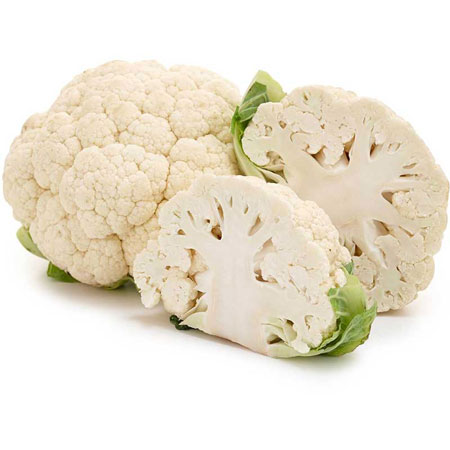
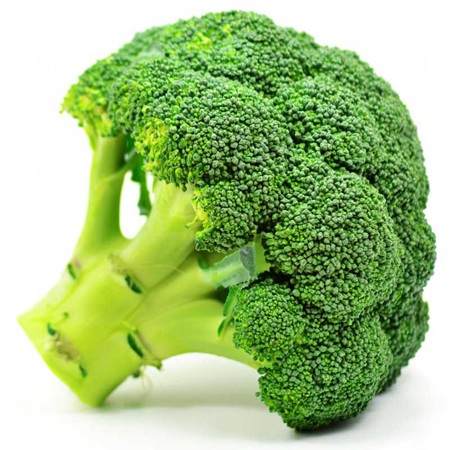
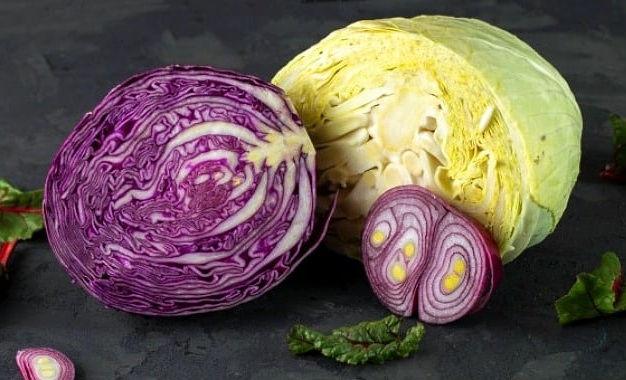
The cabbage family (Brassicaceae) encompasses several varieties, each with unique characteristics. These include green cabbage, kale (leaf cabbage), red or purple cabbage, white cabbage, cauliflower, and broccoli. Each of these categories may contain various specific cultivars suited to different climates and seasons.
To produce a high-quality crop, both in terms of size and flavor, the cabbage family relies heavily on the nutrients available in the soil. Success in cultivating these vegetables is directly linked to a precise fertilization plan and correct timing.
Many farmers operate under the misconception that cabbage is a low-maintenance plant. On the contrary, if essential nutrients are not provided, the leaves will become small and yellow, and the final product will lack market appeal. Natural soils are often incapable of supplying all the nutritional needs of a plant throughout its entire growth cycle. Therefore, fertilization acts as a supplementary method to supply essential nutrients.
Essential Nutrients for Cabbage Growth
Just as humans require a balanced diet of macronutrients and micronutrients to stay healthy, plants also need a variety of nutrients for proper development. Generally, the essential fertilizers for cabbage growth can be categorized as follows:
1. Organic Fertilizers
Organic fertilizers include manure (cow, poultry, or sheep), compost, and well-rotted animal waste. These amendments are crucial for improving soil structure, enhancing aeration, increasing organic matter, and stimulating robust root growth. Ideally, organic fertilizers should be incorporated into the soil before planting to ensure they are broken down and available by the time the roots develop.
2. Nitrogen Fertilizers
Nitrogen is vital for vegetative growth and foliage development. In leafy cabbage cultivation, nitrogen is arguably the most critical nutrient. Adequate nitrogen promotes lush leaf growth and improves the deep green color of the foliage. Conversely, a deficiency in nitrogen leads to chlorosis (yellowing of leaves) and a significant reduction in crop quality.
3. Phosphorus Fertilizers
Phosphorus is essential for root development and metabolic processes within the plant. During the early stages of cabbage growth, phosphorus helps establish a strong root system. Healthy, robust roots allow the plant to absorb water and nutrients more effectively. Additionally, phosphorus aids in energy transfer and influences the taste and quality of the leaves.
4. Potassium Fertilizers
Potassium plays a pivotal role in regulating water balance and moisture within the plant. It strengthens the plant’s defense system against diseases and environmental stresses. This element is key to improving the flavor and overall quality of the cabbage. Furthermore, potassium helps maintain the crispness and structural integrity of cabbage heads.
5. Calcium
Calcium is an essential element for cellular structure and plant stability. It is highly effective in preventing physiological disorders such as tip burn (internal browning) and the softening of leaves. Calcium also facilitates the absorption of other nutrients.
6. Magnesium
Magnesium acts as a central component in the chlorophyll molecule, driving the process of photosynthesis. It is vital for light absorption and energy production. A deficiency in magnesium can lead to interveinal chlorosis (yellowing between leaf veins) and stunted growth.
7. Essential Micronutrients for Cabbage
Micronutrients are required in smaller quantities than macronutrients but are nonetheless indispensable for healthy plant growth. Essential micronutrients for cabbage include Iron (Fe), Boron (B), Zinc (Zn), Manganese (Mn), and Molybdenum (Mo).
Boron and Molybdenen are two micronutrients whose consumption is critical for cabbage. Ignoring these elements is the most common reason for reduced crop quality.
- Boron Deficiency: Leads to hollow stems or browning/water-soaking in the center of the cabbage head (a condition often called “brown heart”).
- Molybdenum Deficiency: Causes general yellowing (whiptail), particularly in cauliflower.
Cabbage Fertilization Schedule
Plants require specific nutrients at each stage of their growth cycle. The nutritional needs during the vegetative (leaf) stage differ significantly from those during the reproductive (flowering/head formation) stage. Below is a timed schedule for fertilizing cabbage.
Pre-Planting Fertilization
Before transplanting seedlings into the field, the land must be prepared using specific fertilizers. The necessary fertilizers during the land preparation stage are organic fertilizers combined with phosphorus. Sulfur can also be applied at this stage if necessary.
Organic animal and plant fertilizers should be added to the soil 20 to 30 days before planting. Sulfur is used if the soil is excessively alkaline. Sulfur lowers soil pH (alkalinity) and is useful in agricultural lands, such as those in the Middle East, which tend to be alkaline. A common sulfur-containing fertilizer is Ammonium Sulfate.
Cabbage thrives in slightly acidic to neutral soil. The ideal pH for cabbage cultivation is between 6.0 and 6.8. If a soil test reveals the pH is within this range, do not apply sulfur. If the pH is lower than 6.0, agricultural lime should be used to raise and adjust the pH.
Fertilization at Sowing and Transplanting
Cabbage is cultivated in two ways: direct seeding and transplanting. In the transplanting method, seeds are first grown in a nursery (seedbed) and then moved to the main field for faster, higher-quality growth.
Regardless of whether you sow seeds directly or transplant, seed priming(coating the seeds) can help ensure more uniform and better growth. Suitable fertilizers for seed treatment include Zinc, Nitrogen, Iron, and Amino Acids.
Nutrition at the 2 to 3 Leaf Stage
Once the seeds have germinated and the seedlings reach the 2 to 3 leaf stage, you can improve leaf growth using a nitrogen-rich fertilizer. At this stage, nitrogen promotes further germination and the development of the initial true leaves.
Fertilization After Transplanting
Now is the time to move the seedlings to the field you have prepared. After planting the seedlings, the soil must be nourished to ensure the roots establish well. Minimizing plant stress (transplant shock) is also crucial at this stage.
The best fertilizer at the transplanting stage is a phosphorus-rich fertilizer. Additionally, applying Humic Acid and Fulvic Acid through the irrigation system (fertigation) can significantly improve root establishment and soil health.
Vegetative Growth Stage (Leafy Stage)
From the time the seedlings are established until the onset of head formation, the focus should be on maximizing leaf growth. The best fertilizer for cabbage during the vegetative stage is a nitrogenous fertilizer. This boosts leaf area and prepares the plant to support a large head.
During this stage, foliar application of micronutrients such as Iron and Boron is also recommended. These micronutrients enhance greenness and increase the plant’s resistance to diseases.
Fertilization During Head Formation of cabbage
When the vegetative mass begins to form the head (curd in cauliflower), it is time to stop applying high-nitrogen fertilizers. Excessive nitrogen at this stage can cause loose heads or reduced storage life.
During this period, the most important fertilizer is Potassium. Potash fertilizers aid in the development of the head (fruit) and improve the quality and density of the product. You can also continue using micronutrients, Calcium, and Phosphorus during the flowering/head formation stage. Continue this regimen until the head is fully mature.
Important Tips for Growing Cauliflower and Cabbage
Successful cabbage growth depends on several factors beyond just fertilization. The most important factors to consider when growing various types of cabbage include:
- Soil Requirements: Cabbage requires rich, well-drained soil with a pH that is slightly acidic to neutral.
- pH Management: As mentioned, the ideal pH is between 6.0 and 6.8. Measure pH before planting. If it is too high, use sulfur-containing fertilizers like Ammonium Sulfate to lower it. If it is too low, use lime to raise it.
- Soil Testing: Just as a lack of fertilizer stunts growth, over-fertilization can harm the plant. To avoid this, you must know what your soil is lacking. The best practice is for farmers to perform soil sampling once a year before planting. Sending these samples to a laboratory allows you to check nutrient percentages, pH, and soil texture. This enables precise adjustment of pH and a tailored cabbage fertilization program.
- Timing of Application: Apply fertilizers on dry, cool days for better efficacy and to prevent leaf burn.
- Organic vs. Chemical: Chemical fertilizers cannot fully replace organic amendments. Always nourish the ground with organic fertilizers in the early stages of cultivation.
- Seasonality: Cabbage is an excellent crop for fall cultivation. The plant can survive in soil temperatures as low as 4°C (39°F).
- Temperature: The optimal temperature for growth and germination is approximately 18°C (64°F). Cabbage grows well in the range of 13°C to 24°C (55°F to 75°F).
- Sunlight: Cabbage requires full sun for optimal growth and should receive at least 6 hours of direct sunlight daily.
- Irrigation: The cabbage family requires regular, scheduled irrigation for optimal growth. Drip irrigation is the best method as it delivers water directly to the root zone while keeping the foliage dry, reducing the risk of fungal diseases.
By following this comprehensive guide and understanding the specific needs of your soil, you can maximize the yield and quality of your cabbage crop, ensuring a bountiful harvest that meets market standards.