Fig Tree Fertilizer Program for Growth, Yield, and Fruit Quality
Figs are among the hardiest and most rewarding fruit trees you can grow, especially in arid and semi‑arid regions. They thrive where other fruit trees struggle and can live for decades, producing crop after crop. But if you want a fig tree that delivers truly sweet, plump, and high‑quality fruit year after year, water and soil alone won’t cut it. Correct, well‑timed nutrition is the secret behind fruit size, sugar content, and the overall quality and quantity of your harvest. Many growers ask, “What is the best fertilizer for fig trees?” Should you use synthetic products or stick with organic options? When exactly should you feed your trees, and which nutrients make the biggest difference? In this guide, we’ll give you a complete fig tree fertilizer program, broken down season by season, and explain exactly what your tree needs at each growth stage to reach its full potential. Let’s get started.
Why Fertilizing Your Fig Tree Matters
Like all plants, fig trees need a range of nutrients to grow. In an ideal world, the soil would supply everything they require. In reality, most soils are deficient in one or more essential elements, especially after years of production. When those nutrients run low, the tree shows it—through weak growth, poor fruit set, or bland, undersized figs.
A well‑designed fertilization program brings a host of benefits:
- Stronger shoot and leaf growth
- Deeper, more extensive root systems
- Better bud development and flowering
- A heavier crop of fruit
- Sweeter, more deeply colored, and larger figs
- Increased tolerance to heat, cold, and drought
- Improved resistance to pests and diseases
Fertilizer is not a substitute for good growing conditions, however. It’s a supplement that works hand‑in‑hand with the right environment. So before we dive into specific products, let’s quickly review the ideal conditions that allow a fig tree to absorb and use those nutrients efficiently.
The Ideal Growing Conditions for Figs
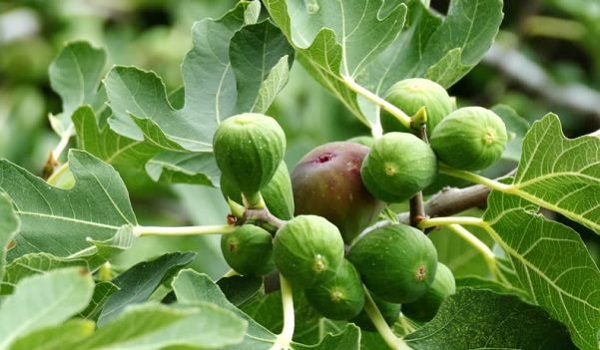
Even the best fig tree fertilizer program won’t work miracles if the tree is stressed by poor light, bad drainage, or extreme temperatures. Here’s what a fig tree needs to thrive.
- Sunlight: Figs are sun lovers. For top growth and sweet fruit, your tree needs at least 6 to 8 hours of direct sunlight every day. Planting in the shade leads to lanky branches, small leaves, and fruit that is low in sugar and poor in quality.
- Temperature: The fig is a warm‑season crop with a relatively short growing cycle and a strong dislike for cold. The ideal temperature range for ripening fruit is 77°F to 95°F (25°C to 35°C). Mature dormant trees can survive winter dips down to about 14°F (-10°C), but prolonged deep cold or a late spring frost can destroy next year’s buds. In cold regions, protecting the trunk and root zone in winter is a must.
- Soil type: Figs adapt to a wide range of soils but perform best in sandy‑loam soils. The single most critical characteristic is excellent drainage. Fig roots hate sitting in water; waterlogged soil quickly leads to root rot and tree death.
- Soil pH: A slightly acidic to neutral pH between 6.0 and 7.5 is ideal. In highly calcareous, alkaline soils—common in many fig‑growing areas—iron and other micronutrients become locked up, often causing leaf yellowing. If your pH is out of range, you’ll need to amend the soil accordingly, for example with sulfur to lower alkalinity.
- Watering: Figs are famously drought‑tolerant, but consistent moisture is key to quality fruit. Stress caused by long dry spells followed by heavy irrigation often makes fruit split and drop. Drip irrigation is by far the best method because it keeps soil moisture steady and avoids waste.
Once you’ve met these conditions, a targeted fertilization plan can take your fig tree’s performance to the next level.
What Is the Best Fertilizer for Fig Trees?
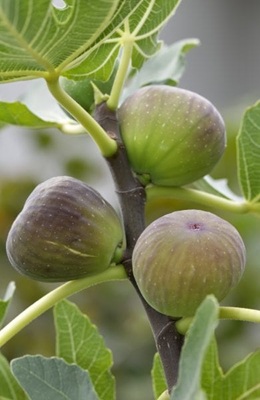
There is no single magic fertilizer that works for every tree in every situation. The right choice depends on the tree’s age, soil condition, crop load, climate, and your specific goals. However, by understanding the nutrients figs need most, you can build a program that covers all the bases.
Primary Macronutrients
- Nitrogen (N): Nitrogen fuels leafy growth. If your tree’s leaves are pale or yellow and new shoots are slow to grow, a nitrogen deficiency is likely. Nitrogen is most critical in early spring when the tree is waking up and pushing out new foliage.
- Phosphorus (P): Phosphorus is essential for root development and flowering. It strengthens the root system, improves water and nutrient uptake, and encourages a strong bloom, setting the stage for a larger crop.
- Potassium (K): This is the star nutrient for fruit quality. Potassium directly increases sugar content, improves color and flavor, and boosts the tree’s resistance to disease and environmental stress. It also helps prevent figs from turning sour. Potassium must be available in generous amounts from fruit set until harvest.
Secondary Macronutrients
- Calcium: Calcium builds strong cell walls in the fruit. A shortage can lead to poor texture and lower fruit quality.
- Magnesium: Magnesium is the central atom of chlorophyll and keeps leaves green and photosynthetically active. Healthy leaves produce the sugars that fill your figs with sweetness.
- Sulfur: Sulfur helps lower the pH of alkaline soils. Because many agricultural soils are naturally alkaline or saline, applying sulfur can improve the availability of micronutrients that would otherwise be locked away. It also serves as a nutrient in its own right.
Micronutrients
Figs need a suite of micronutrients in very small amounts, but those tiny amounts are absolutely essential. These include iron, zinc, boron, manganese, and copper, among others.
- Boron deserves a special mention. It is critical for flower fertilization and for preventing the drop of young fruit. Without enough boron, blossoms can fall without setting fruit, or the fruit that does form may be misshapen.
Micronutrients are most often applied as foliar sprays for quick absorption.
Seasonal Fig Tree Fertilizer Program
For the best results, you don’t apply all fertilizers at once. Instead, match your feeding to the tree’s growth cycle. Here’s a season‑by‑season plan that supports vigorous growth, heavy fruiting, and outstanding fruit quality.
Early Spring (Before Bud Swell)
As temperatures rise and the tree breaks dormancy, new shoots and leaves start to grow. This is the moment for a nitrogen boost. An application of a nitrogen‑rich fertilizer in a soluble, crystalline, or powder form—watered in well—stimulates vigorous leaf and branch development. At the same time, incorporate well‑rotted aged manure into the soil around the drip line. This improves soil structure and provides a slow‑release nutrient base. Adding some phosphorus at this stage encourages strong root growth.
Just before flowering begins, a foliar spray of zinc and boron will increase flower formation and improve fruit set. This small step can make a big difference in how many fruits your tree holds.
Mid‑Spring (Flowering and Early Fruit Set)
Now the blossoms open and tiny fruits start to form. At this stage, nitrogen should be reduced. Shift your focus to phosphorus and potassium, which support flower quality and early fruit development. Boron remains crucial here, helping with proper fertilization and promoting seedless figs, which are often sweeter. A foliar micronutrient spray containing boron during this window is a wise move.
Late Spring to Early Summer (Rapid Fruit Growth)
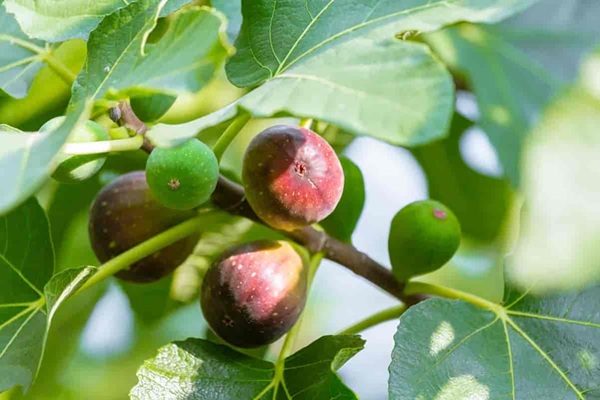
This is the most sensitive stage for fruit quality. The figs are enlarging daily, and what you feed now directly determines their final size, sweetness, and appearance. Potassium is the key player. A high‑potassium fertilizer applied every two to three weeks until harvest drives sugar accumulation, deepens color, and boosts overall fruit size. Without enough potassium now, figs will stay small and bland.
Calcium should be applied alongside potassium during this period. Together, potassium and calcium strengthen fruit walls and significantly reduce cracking and splitting, a common frustration for fig growers.
Post‑Harvest (Late Summer to Early Fall)
Don’t abandon your tree after you’ve picked the last fig. The post‑harvest period is when the tree rebuilds its reserves for next year’s crop. Use a balanced NPK fertilizer to restore overall nutrient levels. Adding organic matter and a potassium‑rich supplement at this time helps the tree regain strength and improves its cold tolerance heading into winter. This sets the stage for a healthy, productive spring.
Ammonium Sulfate: A Top Nitrogen and Sulfur Fertilizer for Fig Trees
Among the many nitrogen sources available, ammonium sulfate stands out as an excellent choice for fig trees. It brings two major benefits in a single product: nitrogen for green, vigorous growth, and sulfur, which is especially valuable in alkaline soils.
Here’s why it’s such a good fit:
- It promotes strong shoot and leaf development early in the season.
- It deepens the green color of the foliage, improving photosynthetic capacity.
- It delivers both nitrogen and sulfur in one application.
- In calcareous soils, the sulfur helps lower pH in the root zone, making other nutrients like iron and zinc more available.
Apply ammonium sulfate at the very start of the growing season to help wake the tree up from dormancy and launch a healthy flush of growth. Be sure to water it in well and follow the recommended rate on the product label to avoid over‑application.

Putting It All Together
Feeding your fig tree isn’t complicated, but it does require consistency and an understanding of what the tree needs at each growth stage. When you combine the right growing conditions—full sun, well‑drained soil, and steady moisture—with a tailored seasonal fertilizer program, the results speak for themselves. You’ll see stronger branches, greener leaves, a heavier set of fruit, and a harvest of figs that are noticeably sweeter, larger, and more richly colored.
Start with a nitrogen‑rich boost in early spring to get the growth going, shift to phosphorus and potassium as flowers appear, and then pour on the potassium while fruit is sizing up. After harvest, replenish the tree’s reserves with a balanced feed and organic matter. Use ammonium sulfate where alkaline soils need a sulfur kick, and don’t forget the small but mighty micronutrients like boron and zinc.
With this fig tree fertilizer program in your toolkit, you’ll be well on your way to consistent, bountiful harvests of the sweetest figs you’ve ever tasted. Remember, every tree is a bit different—watch how your fig responds, adjust based on your soil test, and enjoy the process of nurturing a truly remarkable fruit tree.