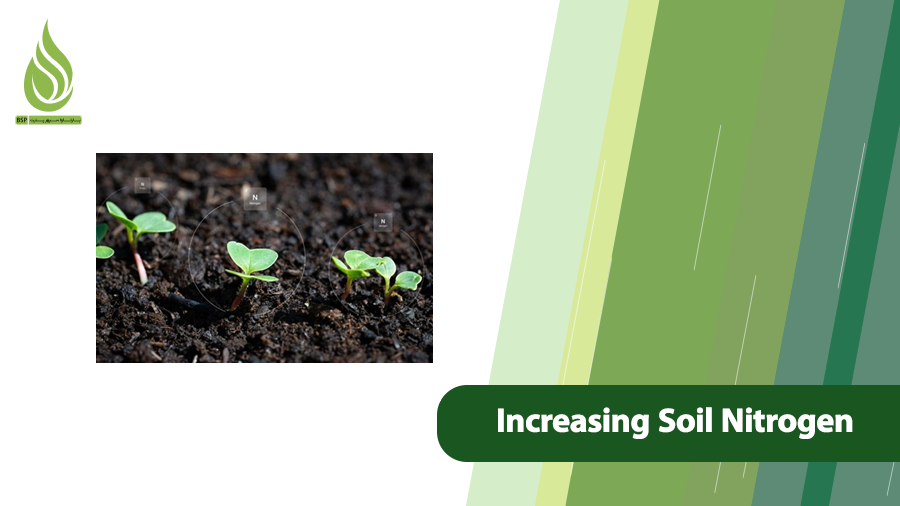
Increasing Nitrogen in Soil & Preserving It
Nitrogen stands as one of the most critical nutrients for thriving crops around the world. From vast cornfields in the American Midwest to rice paddies across Asia and vegetable farms in Europe, nitrogen drives lush green growth, robust leaf production, and impressive harvests. Yet, many growers face the same challenges: yellowing leaves, stunted plants, and disappointing yields caused by nitrogen shortages in the soil. The good news? You can effectively boost nitrogen levels while protecting what you already have. This guide covers everything you need to know about increasing nitrogen in soil and preventing its loss. Whether you’re managing sandy soils in arid regions or heavy clays in humid areas, these methods deliver reliable results.
Why Is It Important to Care for Increasing Soil Nitrogen?
Nitrogen (N) ranks among the top three macronutrients plants crave, right alongside phosphorus and potassium. It forms the backbone of chlorophyll, the green pigment that powers photosynthesis and gives leaves their vibrant color. Nitrogen also builds proteins, enzymes, and DNA, fueling everything from root development to seed formation.
Without adequate nitrogen, plants struggle. Deficiency symptoms appear first on older, lower leaves because the plant moves available nitrogen to new growth. You’ll notice pale yellowing (chlorosis) starting at the leaf tips and moving inward along the midrib, creating a distinctive V-shape in crops like corn. Leaves may become smaller and narrower, stems thinner and weaker, and overall growth slows dramatically. In severe cases, plants flower or fruit prematurely, produce fewer or smaller seeds, and suffer reduced protein content, directly hitting yield and quality.
These issues show up worldwide: in U.S. wheat fields showing spindly tillers, European potato crops with weak canopies, or Asian soybean plots with poor nodulation. Soil tests often reveal the root cause, natural nitrogen levels rarely meet modern high-yield demands, especially after years of intensive cropping.
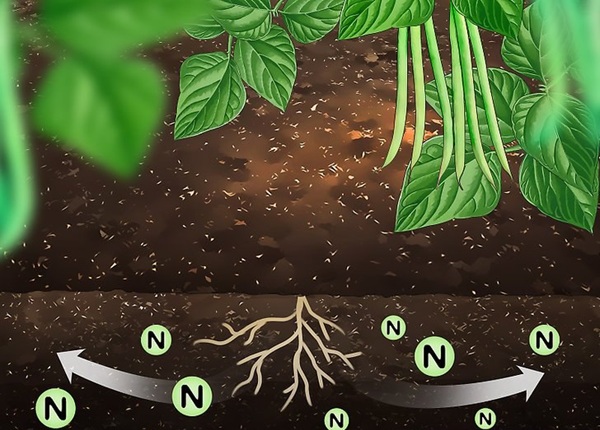
The nitrogen cycle explains why management matters. Plants primarily absorb nitrogen as ammonium (NH₄⁺) or nitrate (NO₃⁻). Microbes convert between forms, but losses happen easily through leaching, volatilization (as ammonia gas), or denitrification (to greenhouse gases). Globally, nitrogen use efficiency averages only about 50%, meaning half of applied fertilizer can escape the root zone. Smart strategies change that equation.
Effective Ways for Increasing Nitrogen Levels in Soil
Boosting soil nitrogen requires a balanced approach combining quick fixes with long-term building blocks. Here are the most reliable methods, refined by recent research and real-world results.
1. Chemical Fertilizers: Fast, Reliable Nitrogen Delivery
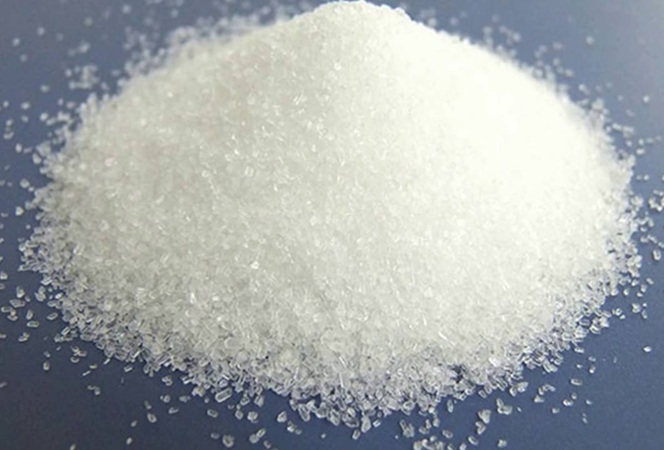
Synthetic nitrogen fertilizers provide the quickest path to correcting deficiencies. Common options include urea and ammonium sulfate or ammonium nitrate, and NPK blends. Among them, ammonium sulfate fertilizer (typically 21% N and 24% S) stands out for its unique benefits. We suggest you take a look at our guide to the most common fertilizers for more information.
Ammonium sulfate delivers nitrogen in the stable ammonium form, which binds readily to soil particles and resists immediate nutrient leaching compared to nitrate-based sources. The added sulfur addresses widespread deficiencies, many soils worldwide have lost sulfur due to cleaner air regulations and higher-yielding crops that remove more S. This dual supply improves protein synthesis, chlorophyll production, and nutrient availability, especially in alkaline or sulfur-poor soils.
University trials (including those highlighted by AdvanSix research) show ammonium sulfate outperforming urea in high-residue or no-till systems, with 5–10 times less volatilization on muddy or surface-applied scenarios. It acidifies slightly, which benefits acid-loving crops or high-pH soils common in parts of the U.S. Great Plains, Australia, and India. For potatoes with shallow roots, its ammonium form stays in the active zone rather than leaching away.
Application tips for success:
- Use soil tests to determine exact rates, aim for the economic optimum nitrogen rate (EONR), which 2025 Midwest studies show rising slightly due to higher yields but still demands precision.
- Split applications: Apply 30–40% at planting, the rest as sidedress during rapid growth. This matches crop uptake and cuts losses.
- Pair with irrigation or light rain for incorporation.
- Consider coated or stabilized versions for even slower release.
Always follow the 4R nutrient stewardship principles: right source (ammonium sulfate shines here for many situations), right rate, right time, and right place. Over-application wastes money and harms the environment, so base decisions on local extension guidelines and regular testing.
2. Organic Amendments: Building Long-Term Soil Fertility
Organic materials release nitrogen gradually as microbes break them down, improving soil structure along the way. Well-composted manure, vermicompost, and plant-based composts supply steady N plus organic matter that holds nutrients and water.
A typical application of aged dairy manure might contribute 20–60 pounds of plant-available nitrogen per ton, depending on handling. Vermicompost excels because earthworms enhance microbial activity, speeding nutrient cycling without burning roots.
Benefits go beyond nitrogen. Organic matter boosts beneficial microbes, improves tilth (making heavy clays easier to work and sandy soils more retentive), and reduces erosion. In long-term trials, fields using consistent organic inputs show higher nitrogen mineralization rates, up to 60–80 pounds per acre annually from soil reserves alone.
Timing matters: Incorporate in fall or early spring so microbes have time to work before planting. Combine with cover crops for maximum effect. Worldwide, smallholder farmers in Africa and Latin America rely heavily on these methods, proving their value even without synthetic inputs.
3. Legume Rotation and Nitrogen-Fixing Plants
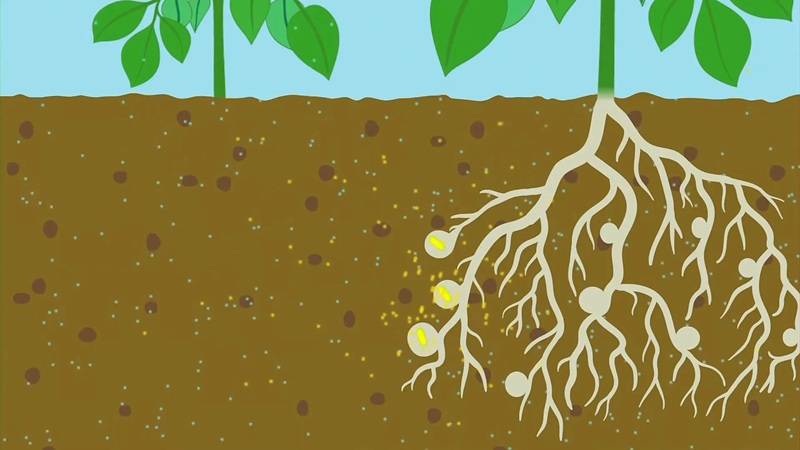
Some plants partner with soil bacteria (Rhizobium) in root nodules to “fix” atmospheric nitrogen, converting N₂ gas into usable forms. Legumes like alfalfa, clover, peas, beans, and vetch can add 50–200+ pounds of nitrogen per acre, depending on species, inoculation, and growing conditions.
In crop rotation, this becomes incredibly powerful. After a year of alfalfa or hairy vetch, the following corn or wheat crop often needs 50–100 pounds less fertilizer nitrogen. Farmers worldwide use this: U.S. Midwest soybean-corn rotations, European clover in pastures, and Asian mung bean or cowpea sequences.
Best practices:
- Inoculate seeds with the correct Rhizobium strain for your legume.
- Terminate at early bloom for peak nitrogen content.
- Avoid fall tillage of legume residues to prevent rapid mineralization and winter losses.
- Mix legumes with grasses in cover crop blends for balanced carbon-to-nitrogen ratios (ideally 15–24:1) that prevent temporary nitrogen tie-up.
Recent 2025 research confirms legume green manures enhance deep-soil carbon and nitrogen storage, supporting both productivity and climate goals.
4. Green Manure and Cover Crops
Plant fast-growing crops solely to feed the soil. Popular choices include crimson clover, hairy vetch, or mixes with rye and radish. Grow them between cash crops, then till or roll them in while still green and succulent.
This “green manure” technique releases nitrogen as the biomass decomposes, plus improves soil biology and suppresses weeds. High-biomass legumes can supply 100–200 pounds N per acre, enough to replace much of your fertilizer program in vegetable systems.
Management keys: Terminate at bud stage, incorporate at field capacity moisture and warm temperatures (>60°F/15°C) for fast breakdown. Wait 1–3 weeks before planting the next crop. In no-till systems, leave as mulch for slower release and erosion protection.
Global examples abound: California vegetable growers use summer cowpeas; Northern European farmers rely on winter vetch; Australian dryland systems incorporate medic clovers. Mixtures often outperform single species by scavenging nitrogen while fixing it.
5. Managing Crop Residues Wisely
Don’t burn or remove stalks, leaves, and roots after harvest. Chop and incorporate them to recycle nutrients. Cereal residues contribute modest nitrogen as they break down, while legume residues add more. Over time, this builds soil organic matter, which mineralizes 1–3% of its nitrogen annually, free fertility for future crops.
Proven Strategies for Increasing Soil Nitrogen and Minimize Losses
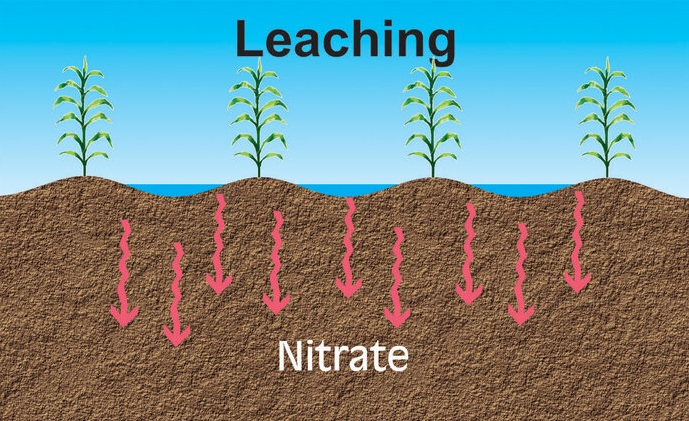
Adding nitrogen does little good if it washes away or escapes as gas. Three main loss pathways threaten your investment: leaching (nitrate moving with water), volatilization (ammonia gas), and denitrification (gases in wet soils).
Prevent Leaching with Smart Timing and Placement
Leaching hits hardest in sandy soils or with heavy rain/irrigation. Solutions include split applications, using ammonium forms like those in ammonium sulfate (which converts more slowly to leachable nitrate), and cover crops that act as “nitrogen catchers” during off-seasons.
Drip irrigation or precision systems deliver water and nutrients directly to roots, cutting losses dramatically. New guidelines emphasize applying most nitrogen as sidedress when crops actively uptake it.
Master Timing and the 4R Framework
Apply nitrogen when crops need it most, early vegetative growth for most field crops, not during fruiting when excess N can delay maturity. Avoid pre-rain applications. Soil temperature tools (apply fall anhydrous ammonia only below 50°F/10°C) and in-season tests like PSNT help fine-tune.
Choose Slow-Release Fertilizers and Stabilized Options
Coated fertilizers or those with urease/nitrification inhibitors keep nitrogen available longer. Ammonium sulfate naturally offers some stability in its ammonium form, especially when incorporated. For surface applications, it volatilizes far less than urea.
Optimize Irrigation and Soil Health
Avoid overwatering. Maintain good drainage and adequate organic matter to encourage healthy root systems that capture nitrogen efficiently. Buffers and setbacks near waterways protect both your farm and the environment.
Integrated Nitrogen Management
Success comes from combining methods. A typical high-yield corn program might use ammonium sulfate at planting for quick N and S, followed by a legume cover crop the previous season, split sidedress applications, and residue recycling. Soil testing every year (or seasonally) guides adjustments. Monitor with tissue tests or chlorophyll meters for in-season tweaks.
Farmers adopting these practices report 10–30% better nitrogen use efficiency, lower input costs, healthier soils, and reduced environmental footprint. In 2025, with fertilizer prices remaining elevated, every pound saved counts.
Final Thoughts on Increasing Soil Nitrogen & Sustainable, Productive Farming
Increasing and preserving nitrogen in soil isn’t about applying more fertilizer, it’s about smarter management. By choosing the right tools, like ammonium sulfate fertilizer for its efficient dual-nutrient delivery, pairing them with organic practices, rotations, and cover crops, and following proven loss-prevention tactics, you can achieve consistently higher yields while protecting the land for future generations.
Start with a soil test this season. Experiment with ammonium sulfate in your nitrogen program. Integrate a legume or green manure into your rotation. The results will speak for themselves: greener fields, stronger plants, and better returns.
This comprehensive approach works across continents and cropping systems, backed by the newest extension research and on-farm success stories. Healthy nitrogen levels fuel not just your crops, but a more resilient agricultural future.