Ammonium Sulfate Import Brazil — Direct From Iran’s Barno Factory
Import High Quality Ammonium Sulfate Fertilizer to Brazil
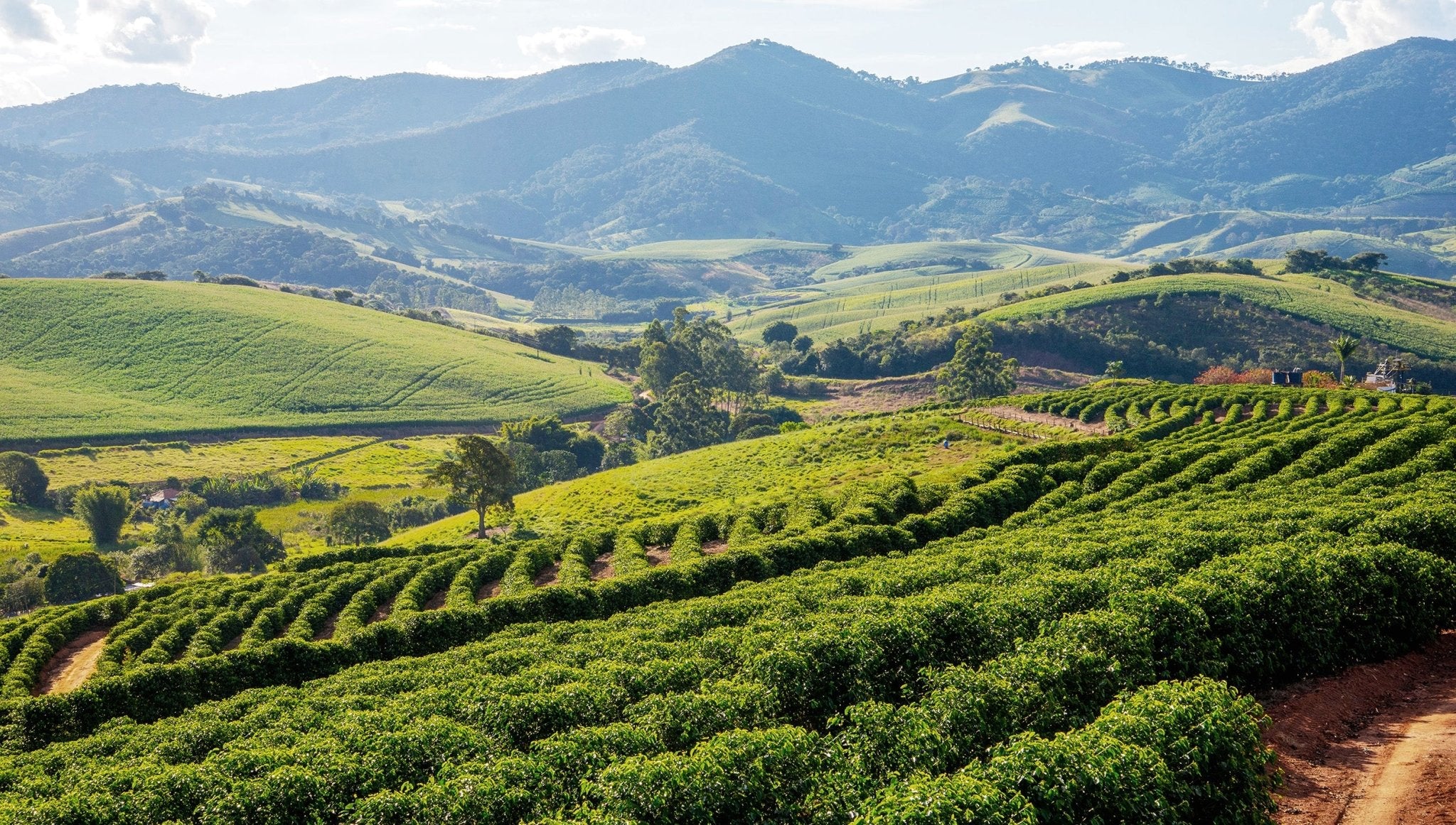
Brazil imports as much as 80% of its fertilizer needs to keep its soybean, corn, sugarcane, and coffee farms running, and Iran has quietly become one of its steady supply partners, fertilizer exports alone reached roughly $136 million in a recent year. Barsava Sepehr Part is a trusted ammonium sulfate supplier Iran, shipping crystalline, granular, and powdered fertilizer by sea straight to Brazilian ports, at a price most European suppliers can’t match.
Get Today's Ammonium Sulfate Price
Direct Factory Supply — No Middleman
Granular, Crystalline & Powder Grades
Established Iran–Brazil Trade Route
Sea Freight to Santos, Paranaguá & Rio Grande
Brazil's Fertilizer Gap — Why Imports Matter So Much
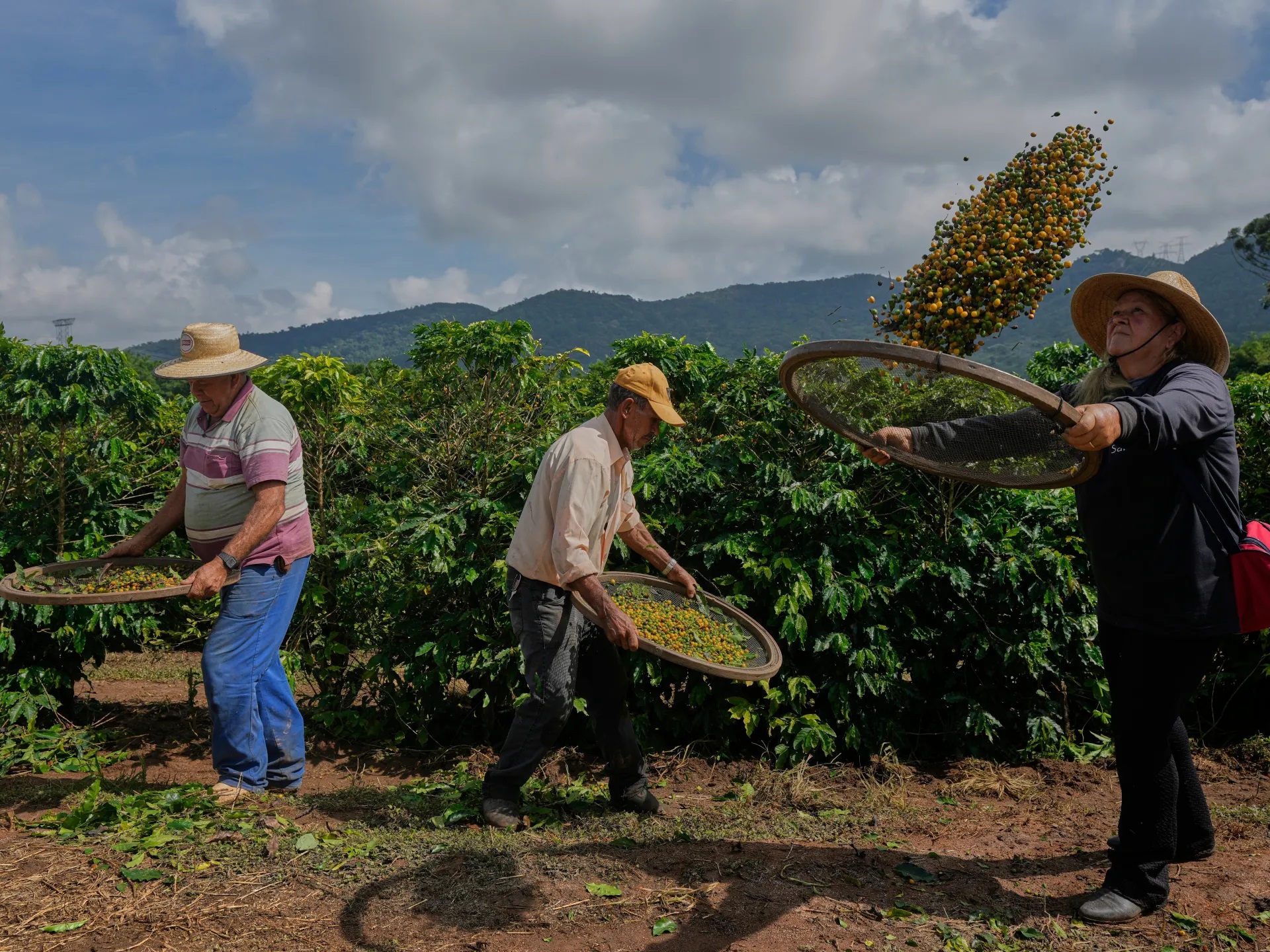
Brazil is one of the great agricultural powers of the world, leading global production in soybeans, corn, sugarcane, coffee, and meat. But that scale comes with a catch: Brazilian agriculture depends on imports for as much as 80% of its fertilizer supply. When a country this size runs mostly on outside inputs, reliable, diversified sourcing isn’t optional, it’s a matter of food security.
Ammonium sulfate fits directly into that need. It delivers nitrogen for growth and, just as importantly, sulfur, a nutrient many Brazilian soils lack, especially in the country’s high-rainfall regions where sulfur washes out of the ground faster than most other nutrients. For soybean, corn, and sugarcane operations running on tight seasonal windows, a steady sulfur source that also carries nitrogen is a practical, cost-effective input rather than a nice-to-have.
Iran has become a real part of that supply picture, not a hypothetical one. As an active ammonium sulfate bulk exporter to brazil, Barsava Sepehr Part AKA Barno fertilizer brand is part of an Iran-Brazil trade relationship that already moves real volume every year, this isn’t a new or unproven route for either side.
An Established Trade Route , Not an Experiment
Iran-Brazil trade has a track record worth knowing about. In a recent year, Iranian fertilizer exports to Brazil were valued at roughly $136 million, and the relationship runs both directions, Brazil exports goods like meat, leather, marble, and tableware back to Iran as part of the same trading relationship, alongside items like pistachios, saffron, and petrochemicals moving the other way.
That two-way flow matters for a practical reason: it means banking, logistics, and customs professionals on both sides already have experience handling this specific trade corridor. You’re not asking your logistics team to invent a new process, you’re plugging into one that Brazilian importers have used before.
For Brazilian buyers, working with Iranian ammonium sulfate as a source also solves a strategic problem: over-reliance on just one or two supplier countries. Adding a competitively priced, quality-consistent source to your supplier list gives your procurement team more room to negotiate and less exposure if any single source runs into trouble.

Sea Freight From Iran to Brazil — Routes & Realistic Timelines
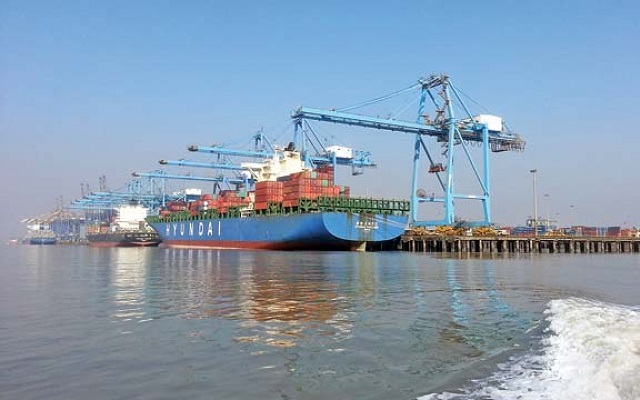
To import ammonium sulfate from Iran to Brazil there’s no way around: Iran and Brazil are far apart, and every shipment moves by sea. What matters is knowing exactly what that looks like so you can plan around it.
- Direct sea freight is the standard, most economical method. Cargo loads at Iran’s southern ports on the Persian Gulf and travels via the Indian Ocean, typically routing around the Cape of Good Hope, to major Brazilian ports including Santos, Paranaguá, or Rio Grande. We use this route for the large majority of shipments. It’s a long haul, plan on roughly 30 to 45 days port to port depending on vessel schedules, but it’s also the most cost-effective way to move bulk volume.
- Sea freight with an intermediate stopover is a secondary option, useful when banking or shipping conditions call for more flexibility. Cargo transfers first to a port in the Middle East or Mediterranean region before continuing to Brazil on a different vessel. It costs more and adds time, but it can solve specific logistical constraints on a given order.
- Air freight exists as an option for urgent or small-volume needs, but the cost is high enough that we only recommend it in specific circumstances, not as a standard shipping method.
We handle the Iran-side export documentation regardless of route:
- Certificate of Origin
Certificate of Analysis (COA) - Packing list and commercial invoice
- Export permit from Iran’s Ministry of Industry, Mine, and Trade
- Bill of lading and cargo insurance
Granular, Crystalline, or Powder: Choose the Right Grade
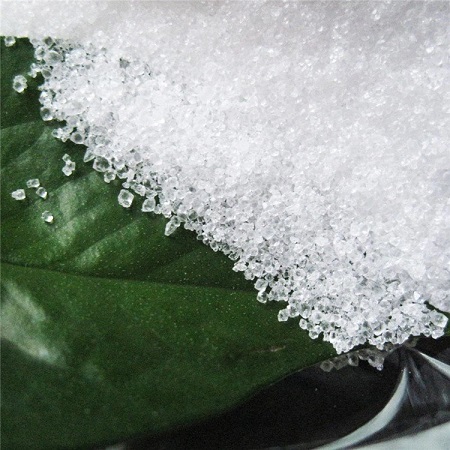
Crystalline Ammonium Sulfate
Crystalline grade dissolves quickly, making it the preferred choice for greenhouse growers, fertigation systems, and buyers blending their own custom fertilizer mixes.
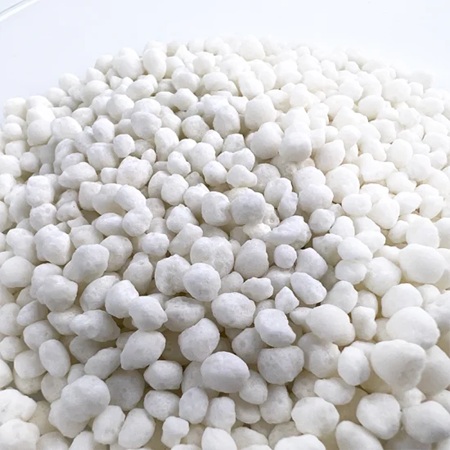
Granular Ammonium Sulfate
Granular grade is well suited to large-scale field applications across soybean, corn, and sugarcane operations, since it spreads evenly with mechanical broadcasting equipment.
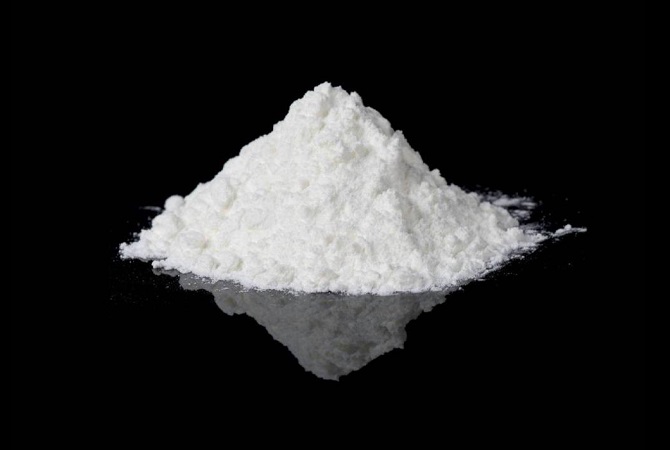
Powdered Ammonium Sulfate
Powdered ammonium sulfate is also available for specific industrial or blending applications.
Specifications across all three forms:
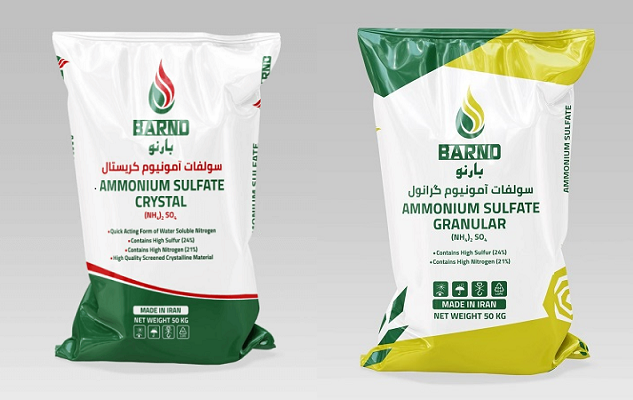
- Nitrogen (N): minimum 20.5%
- Sulfur (S): 23–24%
- Free of chlorine and heavy metals
- Packed in 25 kg or 50 kg moisture-resistant bags
- Certificate of Analysis (COA) included with every shipment
Payment & Compliance — What Brazilian Importers Should Know

We’d rather be upfront about this than let you find out mid-order. A few things about this specific trade route are worth planning for in advance.
- Payment. Standard international wire transfers can be complicated by banking restrictions tied to Iran. In practice, established buyers on this route typically use one of a few working methods: international exchange houses based in the UAE or Oman, bartering goods directly with the Iranian side, or routing payment through the bank account of an intermediary trading company. None of these are unusual on this specific corridor — they’re the normal way business gets done here, and we can walk you through which fits your situation.
- Regulatory compliance. Brazil needs to import ammonium sulfate from countries like Iran to pass sanitary and phytosanitary (SPS) review and meet technical barrier to trade (TBT) requirements before it clears customs. Any mismatch between what’s on paper and what’s in the shipment can cause delays or a returned cargo, so we prepare product analysis and quality documentation that matches exactly what Brazilian authorities expect to see.
- First-time importers. If your company is new to sourcing from Iran, or doesn’t have an international logistics team in place yet, working through an experienced trading intermediary for your first order or two is a reasonable way to reduce risk while you build the relationship directly.
How to Import — In 8 Simple Steps
- Confirm your import license covers ammonium sulfate from Iran.
- Contact us with your target grade, volume, and delivery port.
- Review our specs and Certificate of Analysis, and request a sample if needed.
- Confirm SPS and TBT compliance details for your shipment.
- Negotiate price, payment method, and delivery terms.
- Sign the contract and arrange payment.
- We prepare your shipment, export documents, and coordinate shipping and insurance.
- Your order clears Brazilian customs and moves to your facility.
Why Buyers Choose to Import Ammonium Sulfate from Iran to Brazil, Working with Barsava Sepehr Part?
Barsava Sepehr Part manufactures ammonium sulfate crystals under the Barno brand in Iran, and we already ship across multiple continents.
- We produce three forms — granular, crystalline, and powdered — so you’re not stuck adapting your operation to whatever happens to be on hand.
- Every batch is quality-controlled and free of heavy metals and unwanted compounds, with a Certificate of Analysis to prove it.
- Our final price is consistently lower than comparable European product, with no difference in quality.
- Professional, moisture-resistant packaging is built to hold up over a long sea voyage, not just a short regional shipment.
FAQ
What is the current price for ammonium sulfate import to Brazil?
Price depends on grade, volume, and shipping method. Message us on WhatsApp for a current quote.
How long does shipping from Iran to Brazil take?
Direct sea freight typically takes 30 to 45 days port to port, depending on vessel schedules and routing. Faster options exist for urgent, smaller volumes, at a higher cost.
How do Brazilian importers usually handle payment given banking restrictions on Iran?
Common working methods include international exchange houses in the UAE or Oman, bartering goods, or payment through an intermediary trading company’s bank account. We can walk you through what fits your situation.
Does Iranian ammonium sulfate meet Brazil's SPS and TBT requirements?
Yes. We prepare product analysis and quality documentation to match Brazil’s sanitary, phytosanitary, and technical barrier requirements before shipment.
Which grade works best for large Brazilian farms?
Granular is the most common choice for large-scale soybean, corn, and sugarcane operations. Crystalline suits greenhouses and fertigation, and powder is available for industrial use.
What is the minimum order quantity?
We support both trial orders and full bulk shipments. Tell us your target volume and we’ll confirm what’s available.
Can I get a sample before committing to a full order?
Yes. Message us with your delivery details and we’ll arrange a sample shipment so you can verify quality first.
Why add Iran as a supplier if I already import fertilizer from other countries?
Diversifying your supplier base reduces dependence on any single source, gives your procurement team more negotiating leverage, and adds a competitively priced option to your existing supply chain.