Why Are Sunflower Seeds Hollow & How to Prevent It?
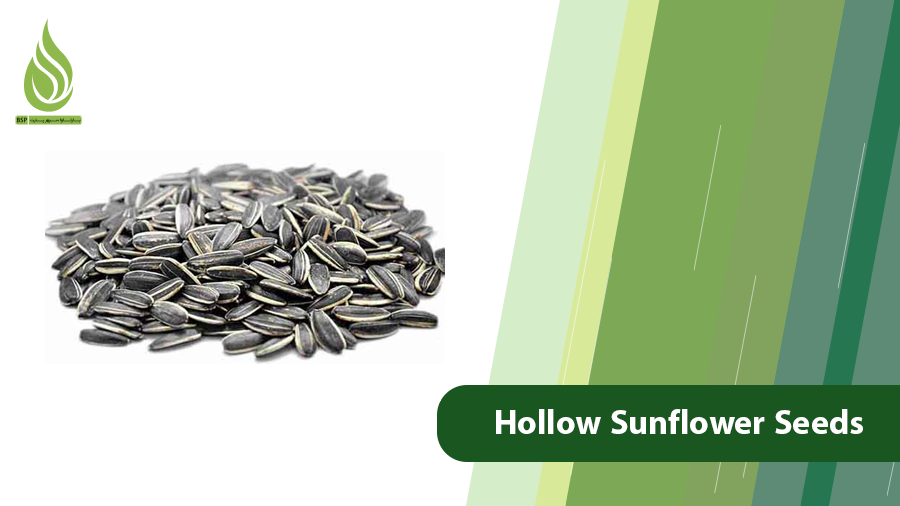
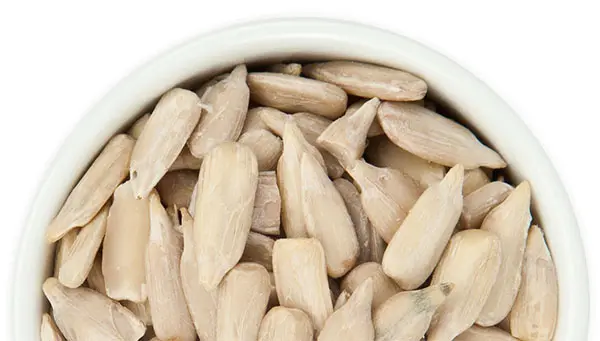
Sunflower seeds are one of the most popular snacks globally. These seeds are rich in Vitamin E, magnesium, selenium, and essential fatty acids. Due to their high nutritional value and great taste, they are widely consumed in the Middle East and around the world. Given the popularity of this seed, cultivating sunflowers can generate significant profits for farmers. However, one of the most pressing problems farmers and sunflower seed producers face is the phenomenon of hollow sunflower seeds. This occurs when the seed shell grows, but instead of harvesting a full, white kernel, a large portion of the seeds inside are empty or shriveled. This issue drastically reduces sales and farmer income. In this article, we’ll examine the reasons behind hollow sunflower seeds and what measures must be taken to cultivate sunflower seeds that are full.
Main Causes of Hollow Sunflower Seeds\
The occurrence of hollow or empty seeds in sunflowers is a complex phenomenon that can stem from various factors. These factors can happen at different stages of the plant’s growth cycle. The most important causes of hollow sunflower seeds include:
Nutrient Deficiencies
Unsuitable and nutrient-poor soil has a negative impact on sunflower growth. Like any other plant, the sunflower requires both micro and macronutrients for optimal growth and productivity. Different nutrients each play their own role in the growth of the sunflower and the filling of the seed. However, the crucial point is that each fertilizer must be applied at the right time and in sufficient quantity. Not less, but certainly not more than the plant needs.
The Solution: As explained, both deficiency and excess of nutrients negatively affect plants. Over-fertilization is one of the most common fertilization mistakes that not only imposes high costs on farmers but also has detrimental effects on plant growth. For this purpose, farmers must recognize the essential fertilizers for sunflower growth and know the application time for each.
The best fertilization program for sunflowers starts with soil preparation. At this stage, using soil conditioners and organic fertilizers is highly recommended. Typically, in base fertilization, fertilizers like Ammonium Sulfate are used to lower soil pH and supply nitrogen. The use of fertilizers containing phosphorus and potassium is also common at this stage.
Subsequently, macro and micronutrient fertilizers are used during different growth stages. Determining which nutrients exist in sufficient quantities in the soil and which must be applied as fertilizer is done through soil testing. Soil sampling helps you understand exactly what fertilizers your plants need. To diagnose soil needs, perform a soil test one or two months before planting. Then, based on the soil test results, draft a sunflower fertilization plan.
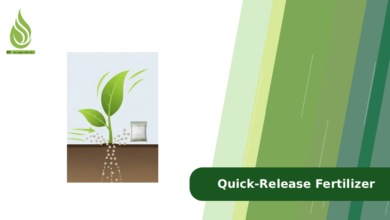
Using organic and chemical fertilizers in appropriate amounts can help improve plant growth and the production of full seeds. Fertilizers containing nitrogen, phosphorus, and potassium are particularly important.
Lack of Sunlight
Leaves are the main center of photosynthesis in plants and trees. The process of photosynthesis has a direct impact on the quality of sunflower seeds. Plants that do not have enough leaves, or whose leaves have dried out, or do not receive enough light due to reasons such as planting density or shading, have low performance and produce more empty seeds.
The Solution: When planting sunflowers, definitely choose a location for planting this product that has no shade and receives direct sunlight throughout the day. If you are planting several rows of sunflowers, be sure to observe the appropriate planting distance so that all plants receive sufficient light.
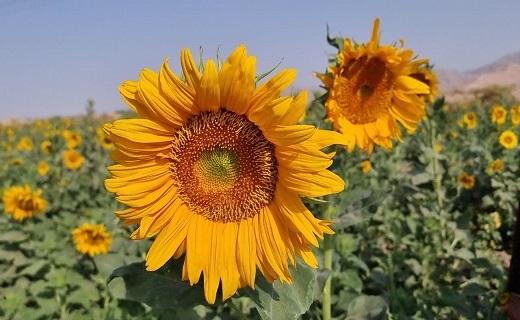
Excessive shading (caused by high density or physical barriers) can reduce photosynthesis and contribute to hollowness.
Insufficient or Excessive Irrigation
Proper irrigation is one of the main strategies for crop cultivation. Both too little irrigation and too much irrigation can cause a drop in product quality. Little irrigation, especially during sensitive growth stages such as the head formation stage (flowering and seed filling), severely reduces the quality of the final product. On the other hand, excessive irrigation and poor soil drainage lead to reduced oxygen supply to the roots and create anaerobic conditions. Under these conditions, nutrient absorption is disrupted, affecting seed quality.
The Solution: To prevent irrigation problems (whether deficiency or flooding), soil moisture must be maintained uniformly. Using pressurized irrigation systems (drip or sprinkler) helps improve irrigation quality. In addition to controlled irrigation, ensure the land has good drainage to prevent water accumulation and root flooding.
Unsuitable Temperature
Every plant needs a specific temperature for optimal growth. Both very low and very high air temperatures disrupt the growth stages of the sunflower plant. Very high temperatures (above 32 degrees Celsius / 89.6 degrees Fahrenheit) during pollination, head formation, and seed filling cause a reduction in flower fertilization and disruption in photosynthesis, leading to the production of hollow seeds. Also, low temperatures slow down the growth process and affect the final quality of the product.
The Solution: To prevent this problem, if possible, use shading methods on very hot days. Also, in cold regions, to prevent frost damage, choose a suitable time for sowing seeds. Early planting in cold regions causes damage to the sunflower seed or plant.
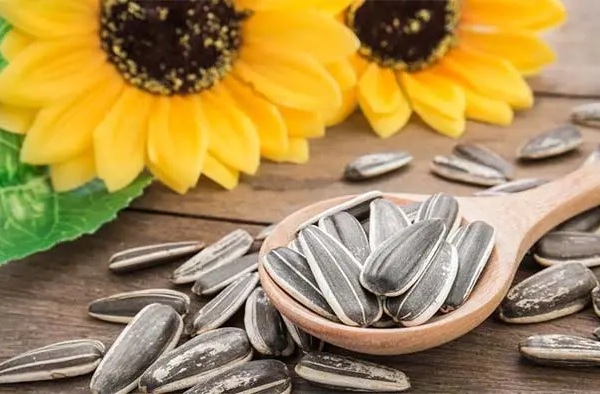
Both very low and very high air temperatures disrupt the growth stages of the sunflower plant.
Pests and Diseases
Pests such as rootworms and fungal diseases can have a negative impact on the growth and production of sunflower seeds.
The Solution: Preventing the occurrence of pests and diseases can stop severe damage. To prevent pests and diseases, control the growth of weeds. Weeds compete with the main plant for resources (water, light, food). Therefore, their timely control is essential. Regular monitoring of the farm for early identification of pests is also necessary. Observing crop rotation, using healthy and disinfected seeds, and planting resistant varieties are the best ways to prevent diseases. In case of observing disease symptoms and if necessary, correct and timely use of chemical pesticides according to experts’ opinions are effective methods for pest and disease management.
High Planting Density
Dense planting of bushes causes intense competition for light, water, and nutrients. This competition, especially if there is no proper nutritional and irrigation management, produces weaker plants, and their seeds will be prone to hollowness.
The Solution: To increase productivity, observe the planting density of sunflower seeds to minimize competition between bushes. Usually, a density between 50,000 to 70,000 plants per hectare is recommended (depending on the variety).
Hollow Sunflower Seeds Due to Planting Unsuitable Varieties
Different sunflower varieties have different characteristics in terms of seed size, weight, oil percentage, and resistance to environmental conditions. Some varieties inherently have a greater tendency for hollowness under environmental stresses. Consequently, choosing high-quality varieties suitable for the cultivation region’s conditions is very important.
The Solution: Based on the climatic conditions of the region and soil type, select varieties that have a good history of kernel filling and resistance to environmental stresses. Choosing high-quality and disease-resistant seeds can help produce full seeds.
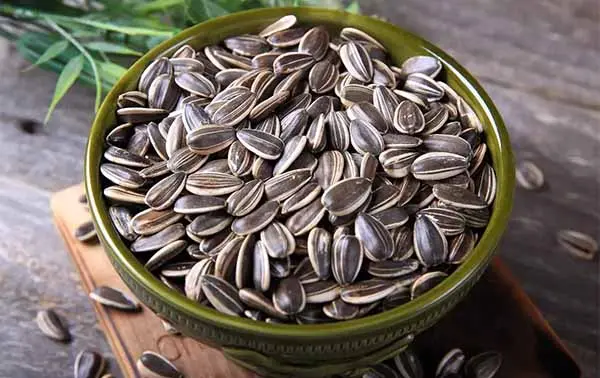
Based on the climatic conditions of the region and soil type, select varieties that have a good history of kernel filling and resistance to environmental stresses.
Ineffective Pollination and Hollow Sunflower Seeds
Effective pollination is a key factor in filling sunflower seed kernels. Factors such as unfavorable weather conditions during flowering (rain, strong wind, unsuitable temperature), a decrease in the population of pollinating insects, or insufficient access of insects to flowers can reduce fertilization and lead to seed hollowness.
The Solution: To improve pollination, if possible, place honeybee hives near the farm. Also, planting other plants near sunflower farms can help attract pollinators.
Conclusion
Cultivating sunflowers is a rewarding endeavor, but it comes with its set of challenges, the most frustrating of which is undoubtedly the phenomenon of hollow sunflower seeds. As we have explored, this issue is rarely caused by a single factor. It is usually a cascade of events: poor soil nutrition leads to weak plants; weak plants are more susceptible to heat stress; heat stress interferes with pollination; and poor pollination results in hollow seeds.
To successfully combat this, farmers must adopt a holistic approach. It starts with soil testing and choosing the right variety. It continues with precise irrigation and fertilization schedules tailored to the plant’s growth stages. It involves proactive pest management and facilitating pollination through beekeeping.