What Is Wheat Lodging & How to Reduce It in Cereals?
Wheat lodging is a critical challenge for farmers worldwide, particularly those cultivating grains in regions with variable weather and intensive farming practices. As a staple crop feeding billions, wheat’s productivity can be severely hampered by this issue, leading to substantial economic losses. In this guide, we’ll explore what wheat lodging entails, its early warning signs, the devastating effects it has on yields and quality, the factors that trigger it, and proven methods to prevent it.
What Is Wheat Lodging?
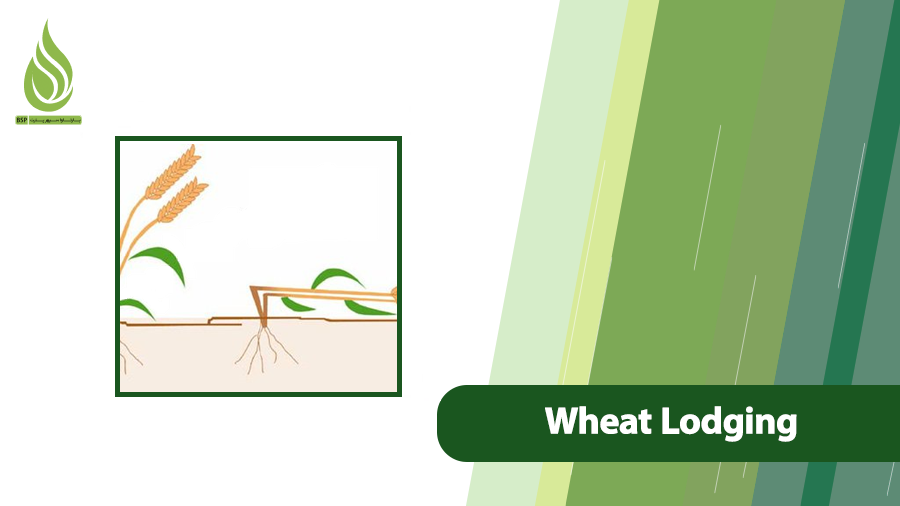
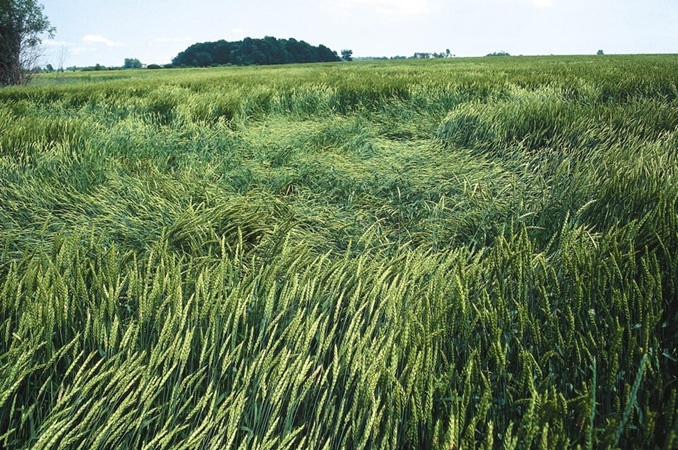
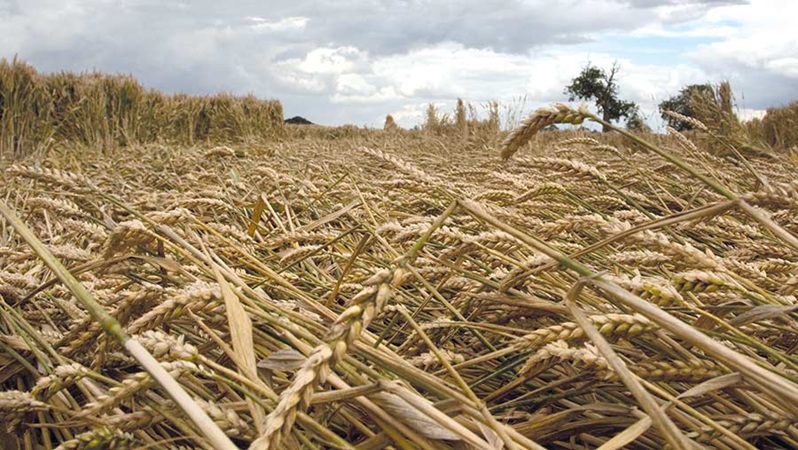
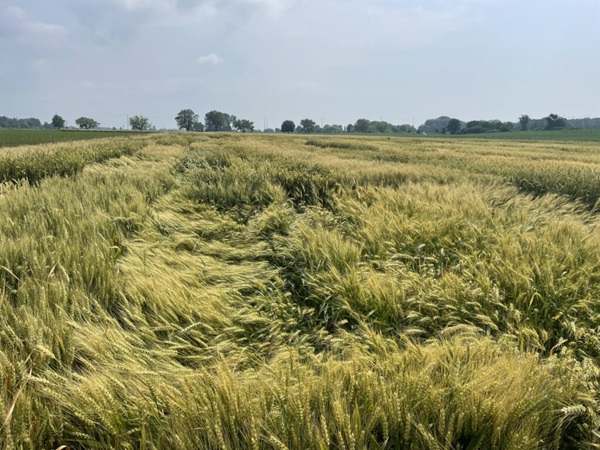
Wheat lodging, also known as wheat stem bending or crop flattening, refers to the condition where the stems of wheat plants bend or collapse instead of growing upright. This typically occurs when the stems become too heavy or weakened, causing them to lean or fall flat on the ground. External factors like heavy rain or strong winds can exacerbate the problem, but the root causes often lie in plant structure and environmental stresses.
In other words, lodging happens when the wheat plant’s stem can’t support its own weight or that of the developing grain heads. This isn’t just a visual issue; it disrupts the plant’s ability to photosynthesize effectively, as leaves and stems get shaded or damaged. Reduced sunlight penetration leads to lower energy production, stunted grain filling, and increased vulnerability to diseases. While wheat is the primary focus here, similar lodging affects other cereals like barley, corn, and rice, as well as legumes such as peas, beans, canola, and sunflowers; crops with tall stems that are prone to toppling.
Given wheat’s global importance, it’s the most widely grown cereal, covering over 220 million hectares and producing around 780 million tons annually according to the FAO; addressing lodging is vital. Countries like Kazakhstan and Uzbekistan produce millions of tons of wheat each year, and lodging can threaten food security amid climate challenges. Recent reports indicate that climate change could reduce Kazakhstan’s grain output by up to 37%, with lodging risks heightened by erratic weather.
Lodging is defined as the permanent displacement of stems from their vertical position due to excessive weight or external forces. It’s a phenomenon that has plagued farmers for centuries, but modern agronomy offers tools to mitigate it.
Early Signs and Symptoms of Wheat Lodging
Spotting wheat lodging early can make all the difference in preventing widespread damage. Before the stems fully collapse, several subtle indicators appear. Recognizing these allows farmers to intervene with targeted adjustments, such as reducing irrigation or applying supportive nutrients.
Key early signs include:
- Bending at the lower stem sections: The base of the plant starts to curve, often due to weak anchorage.
- Thinning of the plant crown: The area where the stem meets the roots becomes narrower and less robust.
- Color changes in stem nodes: Nodes may turn yellowish or brownish, signaling structural weakness.
- Reduced stem firmness: When touched, the stems feel softer and less rigid than healthy ones.
- Excessive plant height: Overly tall plants are a red flag, as height often correlates with instability.
Excessive height is particularly problematic because it creates a top-heavy structure. In Central Asian contexts, where wheat varieties may grow taller under high-nitrogen conditions, monitoring height during the jointing stage is crucial. Early detection through drone-based spectral imaging can identify these signs before visible lodging occurs, potentially saving 10-20% of yields.
If you notice these symptoms, act quickly; adjust fertilizer applications or brace fields against wind. Prevention at this stage is far more effective than dealing with flattened crops later.
Negative Effects of Wheat Lodging on Crops
Wheat lodging isn’t just an inconvenience; it’s a yield killer. It ranks among the top factors reducing cereal performance, impacting both quantity and quality. The repercussions ripple through the entire farming operation, from harvest efficiency to market value.
Primary negative effects include:
- Sharp decline in yield and grain weight: Lodged stems hinder photosynthesis, leading to underdeveloped grains. Yields can drop by
20-50%with grain weight reduced due to incomplete filling. - Complicated harvesting: In lodged fields, combines struggle to cut and collect heads efficiently. This slows operations, increases grain shatter, and causes mechanical damage. Farmers may need multiple machine adjustments, hiking costs. Humid conditions in flattened crops delay drying, exacerbating losses.
- Higher grain shedding and spoilage: Contact with soil increases moisture around heads, promoting pre-harvest sprouting and fungal infections like Fusarium. This leads to mycotoxin contamination, rendering grain unsafe for consumption.
- Diminished product quality: Lodging lowers protein content, hectoliter weight, and overall purity, affecting milling and baking quality. Market prices can fall by
15-30%for affected lots. - Elevated disease and pest risks: The dense, moist microclimate in lodged areas fosters fungal pathogens and insects, spreading issues like rust or aphids faster.
In Central Asia, where wheat rust is a growing threat, these effects compound. Lodged crops create ideal conditions for rust epidemics, which already endanger staples in the Caucasus and beyond. Overall, lodging can turn a promising season into a financial setback, underscoring the need for proactive management.
Assessing the Extent of Damage from Wheat Lodging
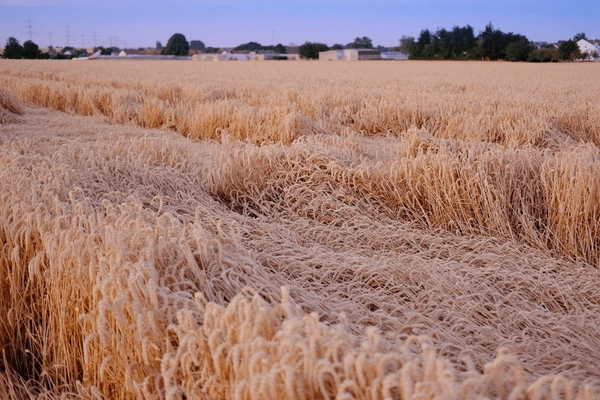
The damage from wheat lodging varies based on several variables, making it essential to evaluate each case individually. Factors influencing severity include:
- Growth stage at lodging: Early-stage lodging (pre-heading) is less damaging, as plants can recover somewhat. However, lodging near harvest, during grain fill, can slash yields by
40-60%. - Intensity of lodging: Partial bending might allow some recovery, while complete flattening is often irreversible.
- Percentage of affected plants: If only
10-20%lodge, losses are manageable; over50%spells major trouble. - Post-lodging weather: High humidity accelerates disease, while dry conditions might limit secondary issues.
- Wheat variety: Tall, weak-stemmed varieties suffer more than dwarf, sturdy ones.
Mild lodging can sometimes be compensated through compensatory growth, where unaffected tillers boost output. But severe cases halt reproduction entirely. In the grain-filling phase, lodging disrupts nutrient flow, causing shriveled kernels and extensive shedding. Recent reports describe how a mid-grain-fill storm caused severe lodging in high-yield fields, reducing outputs by 30%.
For Central Asian farmers, assessing damage involves field scouting and tools like the Lodging Index, which quantifies stem angle and coverage. Early evaluation helps decide on salvage harvesting or insurance claims.
Key Causes of Wheat Lodging in Grains
Understanding the triggers of wheat lodging is the first step toward prevention. Multiple interrelated factors contribute, from nutrition to weather.
Major causes:
- Excessive nitrogen use: Nitrogen is vital for growth, but overapplication, via fertilizers like urea or ammonium sulfate, promotes lush, tall growth with thin stems. This is a leading cause, as noted in the original context. Nitrogen should be limited post-jointing to avoid elongation. We suggest you take a look at our guide to the downside of excessive use of ammonium sulfate.
- Potassium deficiency: Potassium strengthens cell walls; its lack weakens stems, making them prone to bending.
- Improper irrigation: Overwatering softens soil and shallowens roots, reducing anchorage against wind.
- High planting density: Crowded seeds lead to competition for light, resulting in etiolated (stretched) plants.
- Heavy rain and winds: During heading or filling, storms can topple weak stems.
- Calcium shortage: Calcium thickens tissues; deficiency thins stems.
- Diseases and pests: Root rots or crown decay weaken bases, increasing lodging risk.
- Weak varieties: Tall, slender-stemmed cultivars are vulnerable; opt for resistant ones.
- Poor root development: Shallow roots fail to balance above-ground mass.
- Heavy grain heads: Overly productive heads overload stems if not supported.
Lodging early in stem elongation has minimal impact, as plants can regrow upright. But during heading or flowering, it’s catastrophic, disrupting pollination and filling. A study on historical lodging resistance shows that modern breeding has improved stem strength, but environmental factors remain key. In Central Asia, additional causes include soil salinity in irrigated areas and climate variability.
Strategies to Boost Stem Strength and Prevent Wheat Lodging
There’s no cure for lodged wheat; once flattened, recovery is limited, especially in later stages. The focus must be on prevention through integrated management. Here’s how:
- Select lodging-resistant varieties: Choose semi-dwarf types with thick stems. We recommend genotypes like those tested in Punjab, India, which show
20-30%better resistance. - Optimal planting density: Space seeds to avoid competition; aim for
200-300plants per square meter, depending on variety. - Timely planting: Sow at recommended dates to ensure balanced growth without excessive height.
- Proper irrigation: Use controlled, deficit irrigation to deepen roots and firm soil.
- Pest and disease control: Regular scouting and fungicides prevent weakening agents.
- Soil testing: Analyze for nutrient balances to tailor fertilization.
- Appropriate planting depth:
1-2inches ensures strong root establishment.
These practices, combined with monitoring, can reduce lodging by 50-70%, per FAO guidelines.

The Role of Proper Nutrition in Preventing Wheat Lodging
Nutrition is the cornerstone of lodging prevention. A balanced fertilizer program strengthens stems while avoiding excesses.
Focus on timing: Apply nitrogen (from sources like ammonium sulfate) during tillering to jointing, stopping post-jointing to prevent overgrowth. Ammonium sulfate, with 21% nitrogen and 24% sulfur, is ideal for wheat; it provides ammonium-form nitrogen for immediate uptake and sulfur for protein synthesis and stem rigidity.
Potassium (up to 40% reduction in lodging risk), calcium (for cell wall strength), silicon (as a protective layer), and phosphorus (for root depth) are crucial. Sulfur from ammonium sulfate addresses deficiencies common in sandy soils, enhancing overall resilience.
In Central Asia, where sulfur-poor soils prevail, ammonium sulfate can prevent lodging while improving yields. However, balance is key; overuse leads to the very height issues it can help avoid. Recent OSU Extension advice suggests mixing with other sources for optimal release.
Global Impact and Central Asian Perspectives on Wheat Lodging
Wheat lodging causes annual losses of $1-2 billion globally, per estimates from agronomic journals. In subtropical regions like India, yields drop 10-50%. Central Asia faces unique challenges: Climate change amplifies storms, while traditional tall landraces in Uzbekistan are lodging-prone. Kazakhstan’s projected 37% production dip.
Farmers in Iran and Tajikistan can adopt hybrid strategies: Integrate modern varieties with local practices, use ammonium sulfate judiciously for sulfur benefits, and employ weather forecasting for timely interventions.
Latest Research and Innovations in Wheat Lodging Management
2025 brings exciting advances:
- Genomic studies identify SNPs for breeding stronger stems.
- AI-driven detection: Nature’s paper on spectral indices enables drone monitoring.
- Nitrogen optimization: Wiley’s research shows varietal-nitrogen combos reducing susceptibility.
These tools empower farmers to stay ahead.
Case Studies and Farmer Tips
In Punjab, lodging events were mapped via satellites, informing prevention. Central Asian case: Uzbekistan’s landrace diversity offers genetic resources for resistance. Tips: Rotate crops, use windbreaks, and apply growth regulators if needed.
Conclusion
By understanding and preventing wheat lodging, you protect your livelihood. Balanced use of ammonium sulfate ensures robust growth without risks. For more on our ammonium sulfate products, visit our site. Stay informed with reliable sources; your fields depend on it.