How Temperature Shapes Health, Growth, and Yields in Plants
Temperature and plants go hand in hand, like the perfect weather for a great day outdoors. Every plant has its own sweet spot, a Goldilocks range of air temperatures where it grows strong, stays healthy, and delivers the best flowers, fruits, or veggies. Get it right, and your garden or farm thrives. Step too far outside that range, too hot or too cold, and plants slow down, weaken, or even die. In this guide, we’ll break down exactly how temperature affects plants, why it matters at every stage of life, and simple, practical ways you can manage it for bigger yields and healthier crops. Whether you’re growing tomatoes on a balcony, corn in the backyard, or running a small orchard, understanding temperature and plants will help you succeed.
The Role of Temperature in Vital Plant Processes
Temperature acts like the control dial for a plant’s internal factory. It speeds up or slows down the everyday jobs that keep plants alive and productive. Let’s look at the big three processes in plain English.
Photosynthesis is the star player; it’s how plants make their own food using sunlight, water, and carbon dioxide. Tiny worker proteins called enzymes (especially one named Rubisco) run the show inside leaf cells. For most common garden plants like tomatoes, peppers, and roses, these enzymes work best between 65°F and 85°F. When it’s cooler, say below 50°F, the workers move in slow motion, so less sugar gets made and growth stalls. On the flip side, when temperatures climb above 90–95°F, the enzymes can literally change shape and stop working, like butter melting on a hot sidewalk. Sugar production drops, and the whole plant suffers. That’s why tomato plants in a heat wave might look okay but set fewer fruits.
Respiration is the flip side of the coin. While photosynthesis builds energy stores, respiration burns some of that sugar to power daily life, growing new leaves, moving nutrients, and repairing damage. As temperatures rise, respiration revs up like a car engine on a highway. If it burns fuel faster than photosynthesis can replace it (common in long heat waves), the plant starts dipping into its savings account. Stored energy runs low, stems weaken, and overall growth slows. In cool weather, respiration drops off, which can leave plants sluggish and less able to use the nutrients sitting in the soil.
Transpiration is the plant’s built-in cooling system. Leaves release water vapor through tiny pores called stomata, pulling up more water and minerals from the roots, like a natural straw. Higher temperatures crank up this process, so plants lose moisture fast. On scorching days, they may close those stomata to save water, but then carbon dioxide can’t get in, and photosynthesis takes another hit. You’ve seen this in action: garden plants wilting in the afternoon sun or needing extra drinks during a hot spell. When temperature and plants stay in balance, transpiration keeps everything cool and hydrated without causing drought stress.
These three processes are tightly connected. Mess with the temperature, and the whole system wobbles. That’s why paying attention to temperature and plants is one of the smartest things any gardener or farmer can do.
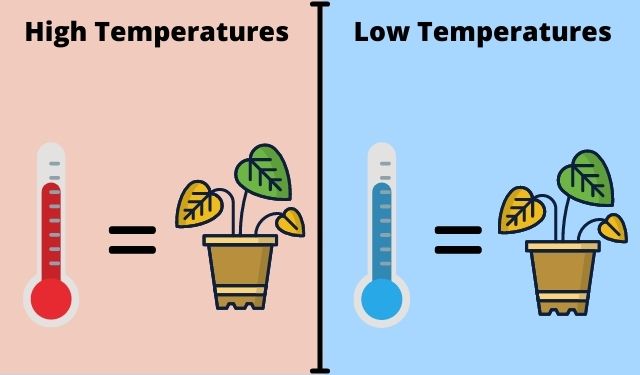
The Impact of Air Temperature on Different Stages of Plant Growth
Every plant life has key chapters: germination, vegetative growth, flowering, and fruiting, and temperature writes a big part of the script. Miss the right range at any stage, and the final harvest suffers.
Seed germination is the wakeup call. Each seed has its own minimum and maximum comfort zone. Warm-season crops like tomatoes, peppers, and eggplants love soil temperatures between 65°F and 85°F. Drop below 50°F and seeds may rot or sit dormant for weeks. Corn germinates best around 55–85°F soil temperature, while cool-season favorites like lettuce and carrots sprout nicely as low as 40°F. Getting soil temperature right means faster, stronger seedlings that get a head start on the season.
During the vegetative stage, when stems, leaves, and roots bulk up, temperature drives cell division and stretching. Moderate warmth (70–80°F daytime for most veggies) produces sturdy, compact growth. Too cold and everything slows to a crawl. Too hot and plants get “leggy,” stretching tall and weak as they search for cooler air. Sudden swings mess with plant hormones, leading to twisted leaves or uneven development. Think of your corn patch: steady 75°F days give thick stalks and broad leaves ready to support heavy ears.
The flowering and fruit-formation stage is often the most sensitive. Some plants, like apples, peaches, and tulips, need a certain number of cold hours in winter (called vernalization) to bloom properly, apples typically want 800–1,500 hours below 45°F. Without enough chill, flowering is weak or delayed. On the other hand, heat during bloom can trigger “blossom drop.” Tomatoes are classic examples: daytime temperatures over 90°F or nights above 70°F cause flowers to fall off before they set fruit. Peppers, beans, and many fruit trees do the same. Roses prefer steady 65–75°F during bloom; extreme heat can fade colors and shorten bloom time.
By matching temperature and plants to each growth stage, you avoid big setbacks and set yourself up for success.
Temperature Stress and Its Effects on Plant Health
When temperatures push plants way outside their comfort zone, stress kicks in. Heat stress shows up as wilting leaves (they look droopy from losing too much water), scorched brown edges, and a surge in harmful free radicals that damage cell parts. Proteins unfold, membranes leak, and photosynthesis crashes. In corn, extreme heat can kill pollen, leaving ears with missing kernels. Tomatoes develop sunscald, white or yellow patches on fruits exposed to direct hot sun.
Cold stress is just as brutal. When temperatures drop below freezing, water inside cells turns to ice, expands, and bursts cell walls, like water pipes cracking in winter. Tender tissues turn black or mushy. Orchard crops suffer huge losses from spring frosts that kill blossoms, meaning no fruit that year. Roses can lose buds, and lettuce may bolt or turn bitter after a hard freeze.
Both types of stress in plants hurt the whole plant, but the good news is that with smart management, you can reduce or prevent most damage.
The Impact of Temperature on Agricultural Crop Yields and Quality
Temperature directly decides how much and how good your harvest will be. In hot regions, fruits and veggies often ripen too fast, ending up smaller and lighter. Sugar levels drop, so tomatoes taste less sweet and apples lose crunch. Color suffers too, peppers stay pale green instead of turning bright red. Heat also raises the risk of cracking (tomatoes split after sudden rain on hot soil) and sunscald.
On the cold side, delayed growth shortens the season, so yields fall. Quality drops as well: cold-stressed lettuce can become tough and bitter. In a changing climate with more frequent heat waves and late frosts, these problems are becoming more common, making temperature and plants even more important for gardeners and farmers everywhere.
Plant Adaptations to Temperature Changes
Plants aren’t helpless; they’ve developed clever ways to cope. They produce “heat-shock proteins” that act like emergency repair crews, fixing damaged enzymes. They tweak the fats in their cell membranes to stay flexible in cold weather or stable in heat. They ramp up antioxidants to fight those harmful free radicals. Some even adjust their leaf angles or close stomata at the right times.
These built-in tools work great for mild swings, but when stress is extreme or lasts too long (think multi-day heat domes or unexpected freezes), natural defenses aren’t enough. That’s when we step in with smart management.
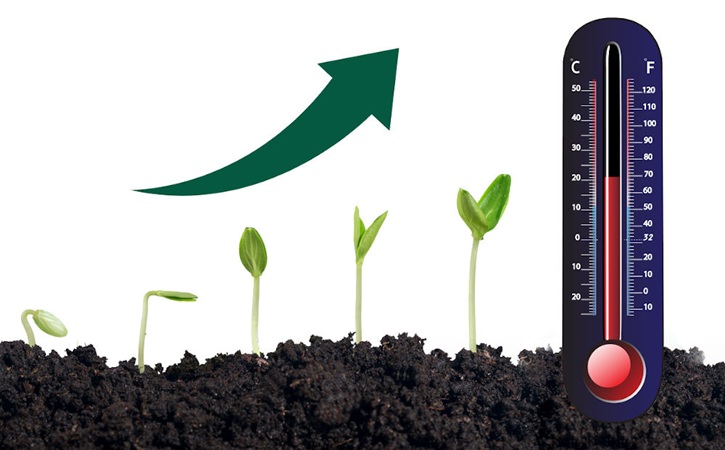
Methods of Temperature Management in Agriculture
Every plant has its ideal temperature range. When the weather turns too hot or too cold, you can use several practical strategies to protect your crops:
- Mulching: Spread 2–4 inches of straw, wood chips, or plastic mulch around plants. It stabilizes soil temperature, conserves moisture, and protects roots from both heat and cold extremes.
- Greenhouses and Covers: Greenhouses, high tunnels, or simple row covers give you control over the environment. They protect against frost, extreme heat, and let you grow crops outside normal seasons.
- Shade Cloths: Use 30–50% shade fabric during hot summers to lower temperatures by several degrees and prevent leaf scorch and flower drop.
- Smart Irrigation: Water early morning or evening during heat waves. This cools the plants and soil without wasting water through midday evaporation.
- Variety Choice and Planting Timing: Select heat-tolerant or cold-hardy varieties suited to your area. Adjust planting dates so flowering and fruit set avoid the worst temperature extremes.
- Balanced Nutrition: Keep plants well-fed with proper macronutrients (especially potassium and calcium) and micronutrients. Healthy, nourished plants handle temperature stress far better.
By using these methods, you can greatly reduce the negative impact of temperature swings and enjoy stronger plants with better yields.
Wrapping It Up: Taking Control of Temperature and Plants
Temperature and plants share a powerful partnership. When you understand the relationship and use the right tools, mulch, shade, greenhouses, smart watering, tough varieties, and good nutrition, you turn potential problems into opportunities for bigger, better harvests. In today’s world of more extreme weather, these skills matter more than ever.
Start small. Pick one or two techniques that fit your space and budget, try them this season, and watch the difference. Your plants will thank you with healthier growth, brighter blooms, and tastier produce. Happy gardening!