Why Professional Farmers Choose Slow-Release Fertilizers
In modern farming, which balances efficiency with sustainability, slow-release fertilizers are a popular choice for growers. These special fertilizers release nutrients into the soil steadily over time, making them suitable for traditional farms, greenhouses, orchards, and city gardens. If you want to learn more about the different kinds of slow-release fertilizers and how they can help, this guide will explain them step-by-step, so you can choose what’s best for your crops.
What Exactly Is a Slow-Release Fertilizer?
Slow-release fertilizers are made to supply nutrients to the soil over a longer time, instead of releasing them all quickly like regular fertilizers. They use methods such as coated granules or specially formulated compounds to control how fast the nutrients become available to plants.
This controlled release maximizes fertilizer efficiency while minimizing environmental harm. It leads to cost savings and boosts both the quantity and quality of harvests in farming and gardening. SRFs shine in diverse applications, including fruit trees, lawns, greenhouses, and field crops. For instance, they provide steady nutrition to trees, enhancing yields, and in rainy or cold climates, they cut down on nutrient loss, improving overall productivity.
Slow-release fertilizers often come in forms that include common nutrients like:
- Nitrogen (the most frequent ingredient in slow-release types)
- Potassium
- Phosphorus
- Calcium
- Magnesium
These fertilizers provide a steady supply of nutrients to plants, reducing the risks that can come with using quick-release fertilizers.
The Key Advantages of Slow-Release Fertilizers
Here is a closer look at the benefits of slow-release fertilizers compared to traditional options:
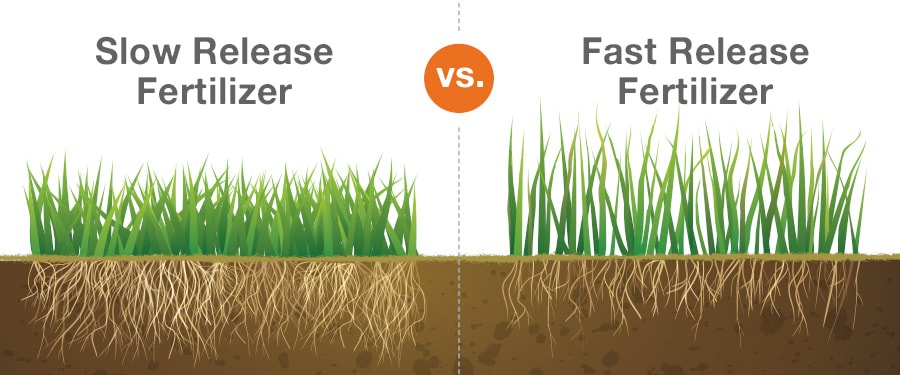
- Steady Nutrition: They supply nutrients evenly over time, preventing harmful shortages or excesses. Also, these fertilizers reduce nutrient leaching.
- Less Waste: Nutrients are less likely to be washed away or evaporate, so more stays in the soil for plants to use.
- Fewer Applications Needed: One treatment can last for months, saving time, labor, and product.
- No Plant Burn: The slow release eliminates the risk of burning roots or leaves.
- Better Soil Health: They improve soil structure, support helpful microbes, and prevent harmful salt buildup.
- Environmentally Friendly: By reducing runoff, they help protect groundwater.
- Higher Quality Yields: Plants grow more evenly, develop stronger roots, and often produce more and better fruits and vegetables.
- Cost Effective: Using less fertilizer and applying it less often leads to significant savings.
- Soil Improvement: Some types can gradually improve soil conditions, like balancing pH levels.
To give some context, recent research shows that slow-release fertilizers make plants more efficient at using nutrients by releasing them when the crops need them most. This leads to better harvests and less environmental impact. For instance, slow-release fertilizers made with biochar have been shown to help soil hold more water and support healthier microbes, which is especially useful in dry regions like parts of Central Asia.
A Brief History of Slow-Release Fertilizers
Understanding the history of slow-release fertilizers helps explain their use today. The idea began in the mid-20th century, with early products designed to release nitrogen steadily from coated urea. In the 1950s, methods like polymer coatings were developed, borrowing from slow-release techniques used in medicine.
The first commercially successful controlled-release fertilizer, Osmocote, was introduced in the 1960s and changed professional gardening. In the 1970s, products such as Nitroform and POLYON further developed the technology, focusing on methods like coatings that break down over time or are broken down by microbes.
Modern slow-release fertilizers now include sustainable materials like biochar and agricultural waste to be more environmentally friendly. This advancement has made them widely available around the world, including in places like Iran and Central Asia, where difficult soil conditions require farmers to manage nutrients effectively.
Environmental Impact: Why SRFs Are a Sustainable Choice
One of the key advantages of slow-release fertilizers is that they are much better for the environment. Traditional fertilizers can wash away into rivers and lakes, causing harmful algae growth and polluting water. Slow-release fertilizers reduce this problem by feeding plants gradually, as they need it, which can cut nutrient loss by up to half.
They also reduce greenhouse gas emissions, like nitrous oxide that comes from using too much nitrogen fertilizer. In efforts to store more carbon in soil, SRFs containing biochar add organic matter, which helps fight climate change. For farmers in Central Asia who face alkaline soil and limited water, SRFs provide a method to keep yields stable without worsening pollution or making drylands worse. In general, using SRFs supports environmentally friendly farming that is better for the land and the planet.
How to Apply Slow-Release Fertilizers Across Various Crops
Slow-release fertilizers work gradually, making them useful in many different situations. Here is how to use them effectively:
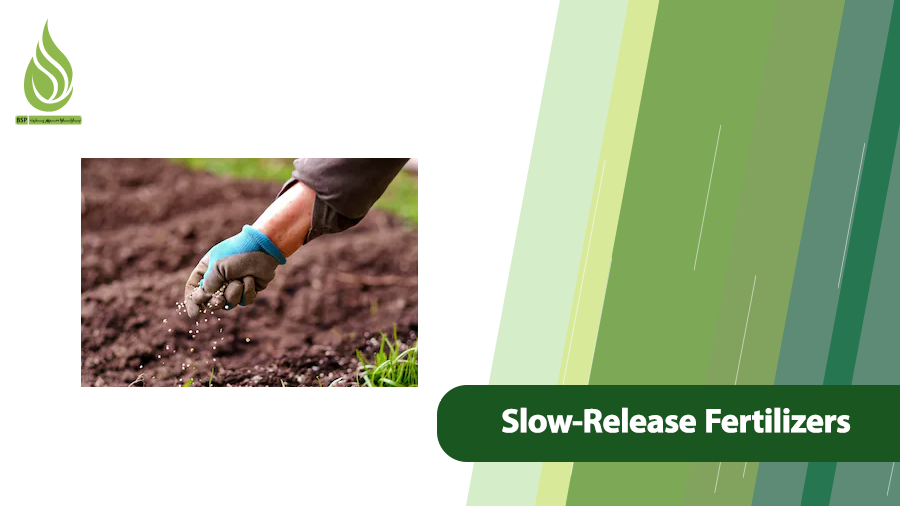
- Orchards and Fruit Trees: Apply them during winter deep root feeding or in early spring before the main growing season. This keeps nutrients from being washed away by rain and gives roots steady access to food.
- Field Crops: Mix them into the soil or place them in planting rows before sowing, during land preparation. This works well for grains and vegetables, offering steady nutrition throughout the growing season.
- Lawns and Landscapes: Formulas high in nitrogen encourage even growth and a richer green color, meaning less frequent mowing. They are great for parks, sports fields, and home lawns in changing weather.
- Houseplants and Flowers: Use granules or tablets placed in the soil near the roots. This avoids overfeeding, which is common indoors, and can last for months.
The timing of the application is important: use them in winter for trees, before planting for crops, and in early spring for lawns and indoor plants. If plants show clear signs of missing nutrients, you can start with a fast-acting fertilizer and then switch to a slow-release type to maintain their health. For plants grown in pots, methods like mixing the fertilizer into the growing material work well, especially in greenhouses. In raised beds with root vegetables, you can add more fertilizer halfway through the season if necessary.
Exploring the Types of Slow-Release Fertilizers
Slow-release fertilizers come in several main types, each working in its own way:
- Organic Types: These are made from natural materials like compost, manure, or plant matter. They are broken down slowly by microbes in the soil, which also helps improve soil health.
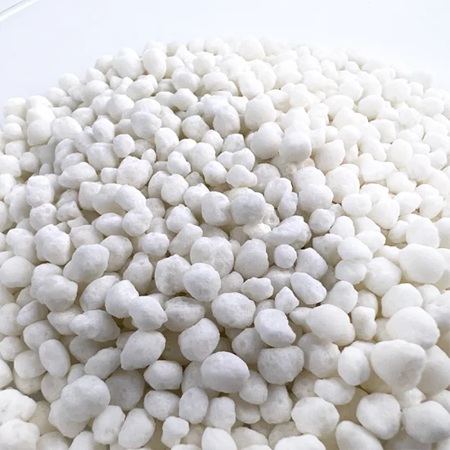
- Granules and Powders: These solid forms are common in farming. Granules dissolve slowly with water, providing a steady supply of nutrients that can last a long time, making them great for fields and lawns.
- Liquid Types: These are specially designed to be absorbed slowly. They work well in drip irrigation systems, for houseplants, or in hydroponic setups.
- Coated Types: The nutrients are wrapped in special coatings (like polymers or sulfur) that control their release over weeks or even up to a year. This allows for very precise feeding.
Other specific kinds, like sulfur-coated urea, are made for particular needs. In general, granular and organic fertilizers are widely trusted for their consistent results.
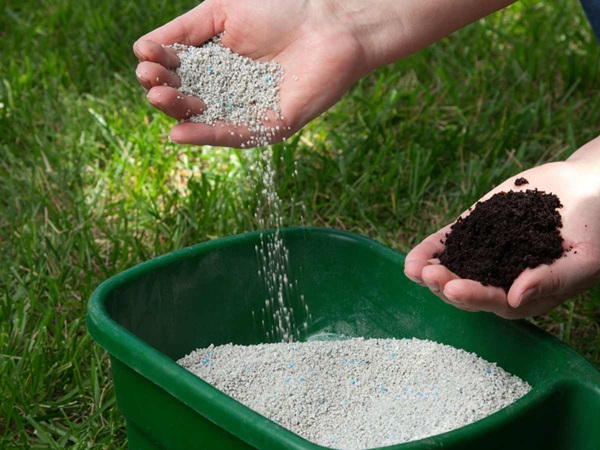
The Remarkable Benefits of Slow-Release Ammonium Sulfate
Among slow-release fertilizers, slow-release ammonium sulfate is an excellent choice for professional farming. It provides essential nitrogen and sulfur in a gradual, controlled way, which reduces nutrient loss and allows plants to absorb it steadily. This results in even growth, prevents yellow leaves, and helps plants stay strong, even in sandy soil or under frequent watering. Unlike urea, which can lose nitrogen to the air or wash away quickly, this form significantly cuts those losses, so farmers can often use less and still get better outcomes.
Sulfur helps plants produce more chlorophyll, absorb nitrogen better, and balance soil pH, which is especially important for alkaline soils like those in Iran. The benefits include lasting green color, higher protein levels in crops, better flavor in fruits and vegetables, and increased oil content in plants like sunflowers or canola. Its natural acidity also gently lowers soil pH, making it well-suited for the chalky soils.

Barno Granulated Ammonium Sulfate: A Smart Pick for Pros
Barno’s granulated ammonium sulfate is a top-quality Iranian product, made of even-sized pellets for slow release. Its benefits include:
- Gradual nitrogen delivery
- High stability in the soil
- Suitable for many crops and orchards
- Resistance to being washed away by rain or irrigation
- Adapted to local weather conditions
- Cost-effective compared to imported options
Professional farmers prefer it to get the best results with less product, supporting efficient and sustainable practices.

Tips for Selecting and Applying SRFs
- Choosing a Fertilizer: Select a product based on your specific crop needs, soil type, and local climate. For example, choose coated versions in rainy regions to prevent washout. Always test your soil first to avoid using too much.
- How to Apply: Spread the fertilizer evenly, water it in lightly after applying, and keep an eye on your plants’ progress. For best results, you can combine it with organic matter like compost.
Slow-release fertilizers, particularly types like ammonium sulfate, support healthy and sustainable farming. Whether in the orchards of Iran or fields elsewhere, they provide reliable, effective results.