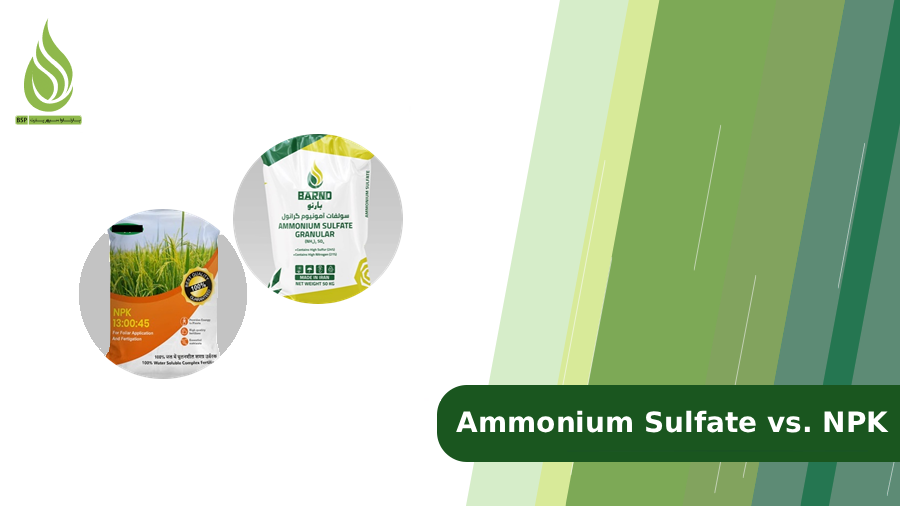
Ammonium Sulfate vs. NPK: Which Fertilizer is the Best for You?
In agriculture, choosing the right fertilizer ranks among the most important decisions a farmer makes each season. This single choice directly shapes crop health, overall performance, and final yield, whether growing staple grains, vegetables, fruit trees, or forage crops. Nitrogen-based fertilizers stand out as especially vital because nitrogen drives vigorous vegetative growth, stronger stems, and higher productivity in most farming systems. Among the many nitrogen options available today, two categories dominate farmer use worldwide: ammonium sulfate (a straight nitrogen-sulfur fertilizer) and NPK compound fertilizers (blended products delivering nitrogen, phosphorus, and potassium in varying ratios). Each type brings its own unique nutrient profile, practical advantages, and potential drawbacks. The best choice always depends on specific field conditions, such as soil pH and nutrient status, along with the crop type, growth stage, climate factors, and the farm’s long-term productivity and profitability goals.
This article directly addresses the question many growers ask: Is ammonium sulfate superior, or does an NPK fertilizer deliver better results? Which one truly suits your fields and crops? To provide a clear, practical answer, we first break down the exact composition, mode of action, and key characteristics of each fertilizer. Then we compare them head-to-head across critical factors like nutrient availability, soil impact, crop response (especially in rice and other major staples common in Middle Asia and beyond), application timing, cost-effectiveness, and sustainability. Whether you’re managing irrigated paddies, rain-fed plots, or mixed cropping systems, this detailed side-by-side analysis will help you select the fertilizer that maximizes yield, protects soil health over time, and supports stronger farm economics.
Introduction to NPK Fertilizers and the Role of Nitrogen
NPK fertilizers refer to a category of chemical fertilizers that simultaneously provide three primary macronutrients essential for plant growth: Nitrogen (N), Phosphorus (P), and Potassium (K). These fertilizers are manufactured in various formulations; for example, ratios such as 20-20-20, 10-52-10, or 15-5-30 are common, where each number represents the percentage by weight of one of the main elements. This diversity in NPK formulations allows farmers to select the appropriate blend based on the plant’s growth stage and its specific nutritional requirements.
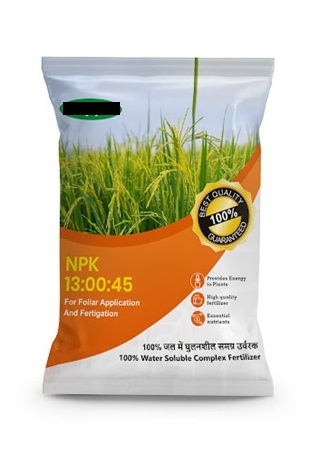
NPK fertilizers are often referred to as “complete fertilizers” because they can generally cover the plant’s broad nutritional needs.
The nitrogen found in NPK fertilizers is a vital element for the vegetative growth of plants. It plays a fundamental role in the synthesis of chlorophyll, amino acids, proteins, and enzymes, and is directly involved in the process of photosynthesis and the increase of green biomass. Nitrogen deficiency is typically characterized by the yellowing of lower leaves (chlorosis), stunted growth, and a drop in yield.
In NPK fertilizers, nitrogen can exist in different forms. One of the most common forms is nitrate nitrogen (NO3-), which is rapidly absorbed by roots. However, nitrate nitrogen has a significant drawback: it is highly susceptible to leaching in light soils and during heavy rainfall conditions. This means the nitrogen can wash away deep into the soil beyond the root zone before the plant can use it, wasting resources and potentially polluting groundwater.
Another form is ammoniacal nitrogen (NH4+), which is more stable in the soil than nitrate. However, if consumed in excess, it can acidify the soil over time. Some advanced NPK formulas contain nitrogen that, upon entering the soil, undergoes biochemical processes to convert into ammonium and then nitrate. The combination of these different nitrogen forms in NPK fertilizers ensures that the plant receives both a rapid initial effect and a sustained, gradual release.
The timing of NPK application is crucial. If we divide the life of a plant into three stages, planting, maintenance (vegetative growth), and harvesting, nitrogen is the element most essential during the first stage of life. After the plant has sprouted and established green foliage, phosphorus becomes critical for root development and energy transfer. Then, as the plant approaches the harvesting and fruiting stage, the demand for potassium increases to improve fruit quality and disease resistance. Consequently, farmers usually select an NPK blend that addresses the specific needs of that growth stage, for instance, using a high-nitrogen NPK in the early stages and a high-potassium NPK in the later stages.
Introduction to Ammonium Sulfate and Its Composition
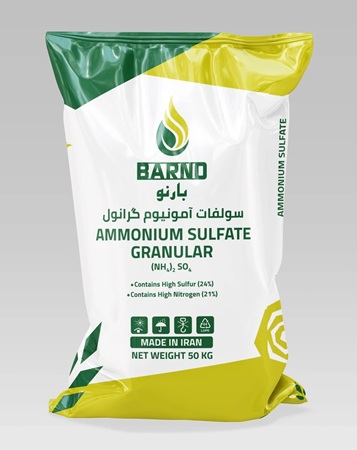
Ammonium Sulfate is one of the oldest and most widely used nitrogenous fertilizers in agriculture. Chemically known as (NH4)2SO4, it typically contains about 21% nitrogen and 24% sulfur. The fundamental difference between this fertilizer and many other nitrogenous fertilizers is the presence of sulfur alongside nitrogen, making it a specialized and valuable option.
The nitrogen in Ammonium Sulfate is entirely in the ammoniacal form (NH4+). This characteristic means that after application, the nitrogen is released gradually to the plant and is less prone to nutrient leaching compared to nitrate forms. On the other hand, the ammonium ion in the soil is gradually oxidized by bacteria into nitrate. This nitrification process releases hydrogen ions, which can help acidify the root zone. For this reason, Ammonium Sulfate performs exceptionally well in alkaline and calcareous soils, as it can help lower the local pH, thereby improving the availability and absorption of micronutrients like iron and zinc, which are often locked up in high-pH soils.
Today, a significant portion of agricultural soils in the Middle East and across the world have become alkaline and calcareous due to irrigation practices and natural weathering. Therefore, using Ammonium Sulfate can serve the dual purpose of supplying nitrogen and acting as a soil amendment for pH correction. Furthermore, the sulfur contained in this fertilizer plays a vital role in the synthesis of proteins and enzymes and is effective in improving crop quality, particularly in oilseeds, vegetables, and crops with high sulfur requirements.
Considering the conditions of many soils in arid regions globally, Ammonium Sulfate can often be a more logical and economical choice, especially when using high-quality brands like Barno Ammonium Sulfate, which adhere to necessary production standards.
Ammonium Sulfate or NPK: Which Should We Choose?
When choosing between Ammonium Sulfate and NPK fertilizers, several important factors must be taken into account:
- Nutritional Composition: NPK fertilizers offer a balanced combination of the three main elements and are suitable when the plant requires Nitrogen, Phosphorus, and Potassium simultaneously. In contrast, Ammonium Sulfate focuses primarily on supplying Nitrogen and Sulfur and lacks Phosphorus and Potassium. Therefore, in soils where Phosphorus and Potassium levels are already optimal but the soil faces a deficiency of Nitrogen or Sulfur, using Ammonium Sulfate is the more logical choice. It avoids paying for nutrients the soil doesn’t need.
- Impact on Soil pH: Ammonium Sulfate is often more effective in modifying soil pH. Its acidifying effect is a distinct advantage in alkaline and calcareous soils, as lowering the pH improves the solubility and uptake of nutrients. NPK fertilizers, depending on their specific formulation, may have a more neutral effect or even an acidifying effect in some cases, but the intensity of the pH change is usually less than that of pure Ammonium Sulfate.
- Nutritional Management: NPK fertilizers are a simpler option for farmers looking for a general, quick nutrition program because they supply multiple elements at once. However, this convenience can sometimes become a weakness, specifically when the soil is deficient in only one specific element. In such cases, applying a complete NPK fertilizer introduces unnecessary elements into the soil, which can lead to imbalances or inefficiencies. In these scenarios, Ammonium Sulfate allows for more precise and targeted nutritional management.
- Economic Considerations: The economic choice depends on specific field conditions. If the soil has no deficiency in Phosphorus and Potassium, using NPK may incur unnecessary costs, as you are paying for nutrients that are already present in sufficient quantities. Ammonium Sulfate, often being more cost-effective per unit of nitrogen, can meet the nitrogen requirement alone at a lower cost.
In conclusion, if the goal is to amend alkaline soils, supply Nitrogen and Sulfur simultaneously, and increase the efficiency of micronutrient absorption, Ammonium Sulfate is the more logical choice. However, in situations where the plant is in the early stages of root development and requires high Phosphorus, or if the soil suffers from a simultaneous deficiency of multiple main elements, NPK fertilizers are likely the more suitable choice.
Introducing Barno Ammonium Sulfate
Among producers of Ammonium Sulfate in the Middle East, the Barno brand is recognized as one of the highest-quality options available in the market. This product has succeeded in satisfying farmers through its high purity, standard nitrogen content, and significant sulfur levels. The uniformity of granulation, appropriate solubility in water, and minimal impurities are among the features that ensure the effective absorption of nutrients by the plant.
Beyond technical quality, stability in supply and precise quality control during the production process are factors that have made this brand a reliable choice for farmers. In conditions where many of the country’s soils are alkaline and suffer from sulfur deficiency, using Barno Ammonium Sulfate can not only supply the plant’s needed nitrogen but also contribute to the gradual amendment of the soil and the improvement of crop yield. By selecting the right input for the specific conditions of their land, farmers can optimize their production and ensure the sustainability of their soil for future seasons.