Complete Guide to Strawberry Nutrition and Fertilization Program
Strawberries rank among the most rewarding yet delicate fruit crops for gardeners and commercial growers worldwide. With the right strawberry fertilization schedule and nutrition plan, you can boost yield, fruit size, flavor, color, and shelf life while building natural resistance to stress and disease. This guide draws from proven global practices and the latest university extension recommendations.
Whether you grow in raised beds, plasticulture systems, greenhouses, or traditional matted rows, the principles remain consistent across continents. Proper soil preparation, timely nutrient delivery, and balanced feeding make all the difference. Let’s walk through everything you need for success.
Ideal Growing Conditions for Strawberries
Strawberries thrive in temperate to cool climates with mild springs and summers. Daytime temperatures of 60–77°F (15–25°C) support vigorous growth, while cool nights below 60°F enhance fruit sweetness and vibrant red color. Temperatures above 86°F (30°C) reduce flowering and shrink berries. In colder regions (USDA zones 3–8), many varieties handle winters well if protected, though severe freezes during bloom can damage flowers. In warmer subtropical or tropical areas like parts of Florida, southern California, or the Middle East, growers use fall or winter planting for successful harvests.
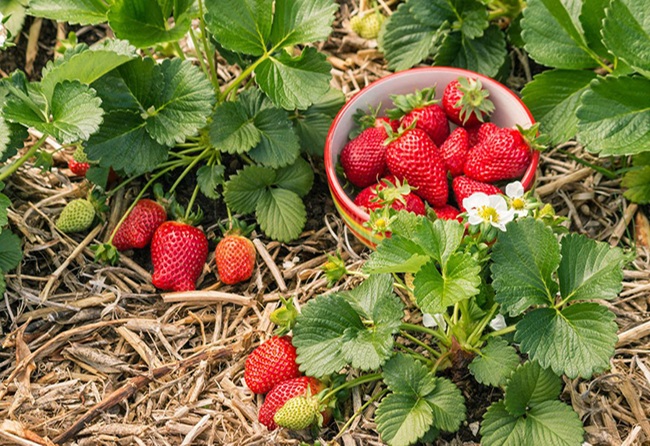
Light is critical: strawberries need 6–8 hours of direct sunlight daily for sweeter, better-colored fruit. In hot climates, afternoon shade helps prevent stress. Relative humidity should stay moderate (60–75%); high heat plus excess moisture invites fungal diseases like gray mold or powdery mildew.
Soil is the foundation. Choose light, fertile, well-draining loamy-sand or sandy-loam soils. The ideal pH range is 5.3–6.5, slightly acidic, to maximize nutrient uptake. Heavy clay soils cause root rot, so amend with organic matter or switch to raised beds. Incorporate 2–4 inches of compost or well-rotted manure before planting to improve soil texture, water retention, and microbial activity. Successful growers in California’s Central Coast, Europe’s plasticulture systems, and Australia’s sandy regions all emphasize excellent drainage and organic content.
Irrigation must be consistent yet careful. Strawberries need regular moisture, about 1–2 inches per week during active growth, but never waterlogged roots. Drip irrigation is the gold standard everywhere: it delivers water directly to roots, keeps foliage dry to prevent disease, and allows precise fertigation (fertilizer through irrigation). Overwatering causes root rot and small fruit; underwatering leads to tiny, seedy berries. Use soil moisture sensors or check the top 4–6 inches of soil, it should feel like a wrung-out sponge.
Spacing and airflow matter too. Plant 12–16 inches apart in rows 30–40 inches apart for good ventilation, which reduces fungal pressure. Mulch (plastic or organic) conserves moisture, suppresses weeds, and keeps fruit clean.
Why Proper Strawberry Fertilization Is Essential for Strawberries
Repeated cropping depletes soil minerals, so targeted strawberry fertilizer restores balance. Balanced nutrition increases yield by 20–50% in many trials, improves fruit firmness and flavor, and strengthens plants against drought, cold, and pests. Over-fertilizing wastes money, harms roots, pollutes waterways, and can make fruit soft or bland. The smart approach: always start with a soil test, then apply only what the plants need.
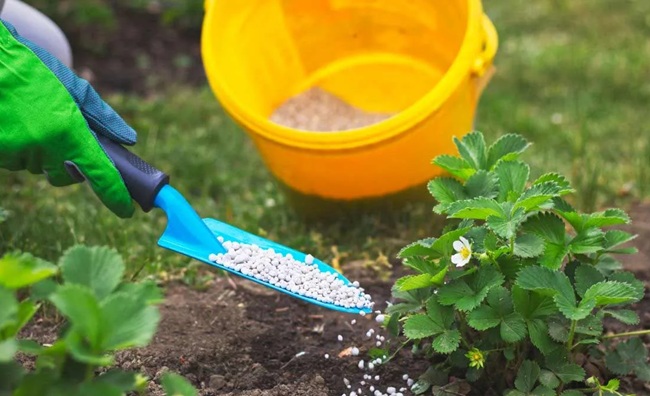
Essential Nutrients for Strawberry Fertilization and Growth
Strawberries require macronutrients (used in large amounts) and micronutrients (trace amounts). Each plays a specific role:
Macronutrients:
- Nitrogen (N): Drives leafy growth, runner production, and overall vigor.
- Phosphorus (P): Promotes strong roots, early establishment, and flowering.
- Potassium (K): Enhances fruit size, color, sweetness, firmness, and stress tolerance.
- Calcium (Ca): Strengthens cell walls, reduces fruit rot, and prevents disorders like tip burn.
- Magnesium (Mg): Central to chlorophyll for photosynthesis and green foliage.
- Sulfur (S): Aids protein formation and improves uptake of other nutrients; often supplied together with nitrogen.
Micronutrients:
- Iron (Fe), Zinc (Zn), Manganese (Mn), Boron (B), Copper (Cu), and Molybdenum (Mo), all critical for enzyme function, pollination, and fruit quality. Deficiencies show quickly as yellowing, poor fruit set, or misshapen berries.
University guidelines (e.g., NC State, UMN Extension) provide tissue sufficiency ranges: N 2.5–4.0%, P 0.15–0.4%, K 1.0–2.5%, Ca 0.5–2.2%, Mg 0.2–0.5%, S 0.11–0.4%, plus specific ppm targets for micros. Regular petiole or leaf testing keeps levels optimal.

Complete Strawberry Fertilization Schedule by Growth Stage
1. Pre-Plant Soil Preparation (4–12 months before planting) Goal: Build fertility, correct pH, and create a perfect root zone.
- Apply
20–30tons per hectare (or8–12tons per acre) of well-rotted manure or compost. - Based on soil test, incorporate phosphorus (e.g., triple superphosphate or DAP) and potassium sources.
- For alkaline soils (
pH >7.0), ammonium sulfate fertilizer is highly recommended. It delivers mild nitrogen plus24%sulfur, gently lowering pH toward the ideal5.5–6.5range while supplying two key nutrients. Agricultural experts worldwide praise ammonium sulfate for strawberries because it improves phosphorus and micronutrient availability without adding chloride, which can harm sensitive roots. Apply according to soil test, typically200–400lbs/acre, to acidify effectively over time. - Add lime only if pH is too low (
<5.3). This step sets the stage for strong establishment and is the foundation of every high-yielding strawberry program.
2. Transplanting / Early Establishment Stage Focus: Strong root development and quick settling.
- Use high-phosphorus starters like MAP or root-promoting fertilizers.
- Include humic and fulvic acids to stimulate roots.
- Foliar spray micronutrients (iron, zinc, boron) if tissue tests show needs. Apply lightly, strawberries have shallow roots and are sensitive to salt burn at this stage.
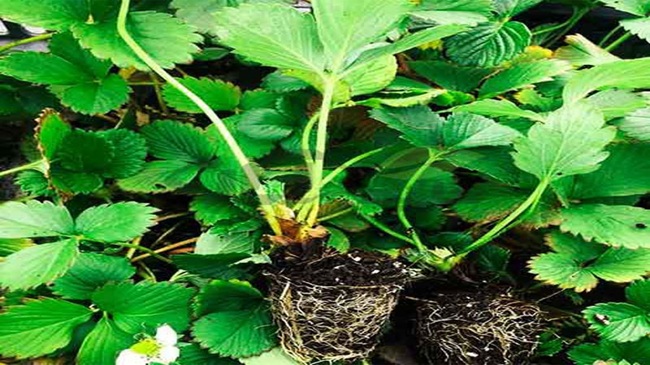
3. Vegetative Growth Stage (Leaf and Runner Development) Goal: Build a robust plant canopy for photosynthesis.
- Supply nitrogen via ammonium nitrate, calcium nitrate, or balanced
20-20-20fertilizers. - Include magnesium and iron for deep green leaves.
- Rates:
60–80lbs N/acre total in the planting year (split applications), adjusted by soil organic matter (lower on high-OM soils). Monitor with tissue tests; excess nitrogen here delays fruiting.
4. Flowering Stage Goal: Maximize healthy blossoms and prevent drop.
- Emphasize potassium and boron (foliar sprays work fast).
- Add calcium to strengthen flowers and early fruit.
- Keep nitrogen moderate, too much promotes leaves over flowers. Petiole nitrate testing is especially useful here; targets range
600–6,000ppm depending on bloom week (per NC State and Wisconsin guidelines).
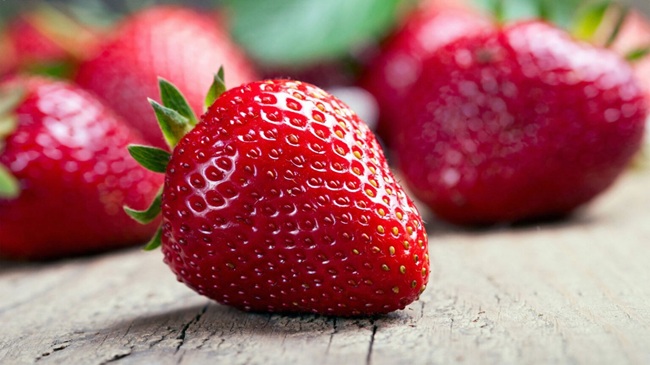
5. Fruit Set and Development Stage Goal: Larger, sweeter, better-colored berries.
- High-potassium fertilizers (e.g.,
12-12-36or potassium nitrate) shine here, many growers call potassium “the fruit quality nutrient.” - Foliar calcium sprays reduce rot and improve firmness.
- Amino acids and seaweed extracts support flavor and shelf life. Daily or weekly fertigation (
1–2.5lbs N/acre/day depending on region and cultivar) keeps nutrients steady without leaching.
6. Post-Harvest / Renovation Stage Goal: Rebuild reserves for next season.
- Apply high-potassium and recovery fertilizers, including amino acids.
- Renovate by mowing leaves (matted-row systems), fertilize immediately, and irrigate well. This “recharge” phase determines next year’s yield.
Why Soil and Tissue Testing Is Non-Negotiable
A soil test months before planting reveals exact needs and prevents costly mistakes. Tissue testing (petiole nitrate + leaf analysis) every 1–2 weeks during bloom and fruiting lets you fine-tune in real time. Labs provide clear adjustment recommendations, saving money while protecting the environment. In Florida plasticulture, total seasonal nitrogen often reaches 175 lbs/acre via fertigation; in Midwest matted rows, 60–80 lbs/acre suffices. Testing removes guesswork.
Pro Tips to Maximize Strawberry Productivity
- Start with certified disease-free transplants for uniform stands and higher yields.
- Practice crop rotation, avoid planting strawberries after strawberries or related crops (e.g., tomatoes) for
3–4years to break disease cycles. Follow with grains or legumes. - Balanced nutrition strengthens cell walls and cuts disease pressure; excess nitrogen invites fungi. We suggest you take a look to our guide to ways of increasing agricultural productivity for more information.
- Remove old leaves and weak flowers early to direct energy to quality fruit.
- Use plastic or straw mulch to conserve moisture, block weeds, and keep berries clean.
- Control weeds aggressively, they compete for water and nutrients.
- Choose varieties matched to your climate (June-bearing for one big crop, day-neutral or everbearing for extended harvest).
- Support pollinators, bees produce uniform, well-shaped berries.
- Monitor irrigation closely: One inch per week minimum, more in heat. Drip plus mulch is unbeatable.
Final Thoughts on Successful Strawberry Fertilization
Mastering strawberry fertilization and nutrition is both science and art. Follow growth-stage timing, rely on soil and tissue tests, and choose premium fertilizers tailored to each phase. Ammonium sulfate stands out as a smart, reliable choice for pre-plant pH correction and sulfur supply in many programs, delivering clean, effective nutrition that supports bigger, sweeter harvests.
By applying these best practices, you’ll enjoy higher yields, superior fruit quality, and a more sustainable operation. For questions about incorporating ammonium sulfate into your strawberry fertility plan or sourcing top-grade fertilizer, our team is here to help. Healthy soil, precise feeding, and attentive care equal outstanding strawberries, season after season.