Essential Autumn Horticulture Actions & Strategies
As the vibrant colors of summer fade into the crisp golds and reds of autumn, the agricultural world enters a critical transition period. In autumn, most orchard fruits have been harvested, and the trees begin their physiological preparation for the cold winter months. This is a pivotal time for orchardists and gardeners. A specific set of actions performed during the fall ensures that trees remain healthy when faced with freezing temperatures, and it’s called “Autumn Horticulture”. If these measures are executed correctly, the overall health of the orchard is preserved, and productivity for the following year is significantly enhanced.
In this guide, we will examine the essential actions that orchardists and home gardeners should undertake as autumn begins, ensuring that your orchard not only survives the winter but thrives in the coming spring.
Autumn Horticulture: Key Considerations
Maintaining Orchard Hygiene (Sanitation)
Pests and diseases are the primary adversaries of orchard productivity, drastically reducing both the quantity and quality of fruit. Therefore, orchardists must place immense importance on maintaining orchard hygiene. By adhering to a few relatively simple sanitation protocols, you can eliminate approximately 50% of the pests and fungal spores that would otherwise emerge in the following spring. This reduction leads to less damage, reduced reliance on chemical spraying, and improved tree yields.
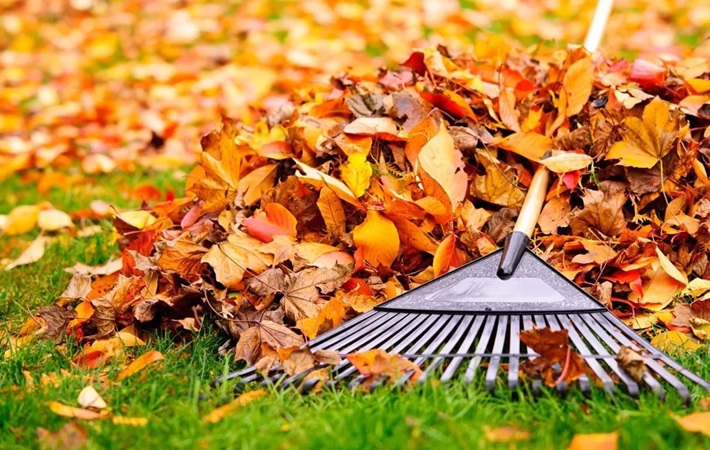
Important tips for autumn horticulture; maintaining orchard hygiene:
- Leaf Removal: Leaves that have fallen to the ground serve as a primary shelter for fungi and pests during the autumn and winter. They harbor spores of apple scab, pear leaf spot, and insect eggs. You must collect these leaves. After collection, bury them away from the orchard or dispose of them in municipal green waste. If you bury them, ensure they are deep enough to decompose into compost without allowing spores to resurface. Do not leave them in piles near the trees.
- Fruit Cleanup (Mummy Fruit): Harvest any healthy fruit remaining on the tree and rigorously remove all damaged, dried, or rotting fruit (often called “mummies”). Fruit that remains on the tree to dry out becomes a potent source of activity for codling moths, borers, and various fungal diseases. Removing them breaks the life cycle of these pests.
- Pruning Diseased Wood: Dead and diseased branches are reservoirs for fungal infections. These should be pruned out. Crucially, after pruning, these branches must be removed from the orchard entirely. Do not leave them piled in the corner of the garden; fungal spores and pests on these branches can multiply dozens of times over the winter and reinfect your trees in spring.
- Weed Control: Remove weeds growing around the base of the trees. Weeds can harbor pests and compete for soil moisture.
- Tool Sterilization: When pruning trees, always use clean saws and tools. Disinfecting tools between trees (using alcohol or a bleach solution) prevents the spread of disease from an infected tree to a healthy one.
- Soil Tillage: Some farmers, after harvesting, perform a light tillage of the orchard soil to a depth of about 10 to 15 centimeters (4 to 6 inches). This process turns over the topsoil, exposing white root grubs and other pupating insects from their underground shelters. Once exposed to the cold air and predators like birds, these pests are often eliminated.
- Dormant Spraying: If signs of disease are visible in the orchard, or as a preventative measure, you can perform a spraying cycle after harvest. Once at least 70% of the leaves have fallen, apply a solution of Bordeaux mixture or Copper Oxychloride. This “dormant spray” helps sever the cycle of pests and fungi, allowing the tree to enter winter with minimal pathogen load.
Supplementary Nutrition for Trees
In autumn and winter, trees cease photosynthesis and enter a state of dormancy. During this period, the tree is not growing actively, but it is recovering energy expended during the first six months of the year. Naturally, the soil has been depleted of nutrients after feeding the tree during the growing season and may not possess sufficient reserves to nourish the tree through the winter. Therefore, we must amend the soil based on our specific goals to ensure it provides the necessary nutrients to the roots.
One of the primary actions of the autumn season is fertilization. However, fertilization in the cold season differs significantly from the first half of the year. In spring and summer, the goal of fertilization is to stimulate vegetative growth (branches and leaves) or increase fruit set. In autumn, however, our expectation is that the tree rests and conserves energy for the next growing season. Consequently, autumn fertilization focuses on strengthening the root system and increasing the tree’s resistance to cold.
The most important autumn fertilizer is organic fertilizer (manure or compost). Farmers often bury organic fertilizer at a specific distance from the tree’s canopy drip line. The holes or trenches should be at a distance from the main trunk to avoid “burning” the roots but placed within the path of water movement so nutrients reach the root zone effectively. It is critically important that the organic matter be fully decomposed or “well-rotted.” Fresh manure can generate heat and harbor pathogens that harm roots.
In addition to organic fertilizer, farmers often add Phosphorus, Sulfur, Potassium, and Boron to the planting holes or trenches. These specific nutrients play a vital role in increasing the tree’s resistance to weather stress. Potassium, for instance, is crucial for regulating stomata and improving cold hardiness. Conversely, the use of Nitrogen fertilizers must be strictly stopped in the autumn. Nitrogen stimulates lush, new vegetative growth, which is tender and highly susceptible to frost damage. This new growth also prevents the tree from entering a deep dormancy, leaving it vulnerable to winter injury. A good fertilization strategy that is based on autumn horticulture principals, can make a huge difference when the spring comes.
Proper Irrigation Strategies
Irrigation is always one of the most critical agricultural actions, but the strategy changes in autumn. As temperatures drop and soil moisture naturally decreases due to lower evaporation rates, orchardists must ensure that sufficient moisture reaches the roots before the ground freezes. Proper irrigation before the onset of frost is a fundamental principle of autumn horticulture. This practice ensures that roots have adequate moisture reserves to sustain the tree through the winter, as water uptake is severely limited or impossible when the soil is frozen. Furthermore, moist soil holds heat better than dry soil, helping to prevent root freezing.
After a deep watering cycle in late autumn, the irrigation schedule should be adjusted based on the region’s rainfall. If you live in an area with high autumn and winter rainfall, supplemental irrigation needs will be low. However, if you reside in a dry or arid climate, you must not ignore irrigation entirely. Even in winter, trees need water.
In autumn and winter, the frequency of irrigation decreases, but the depth of watering should increase. The goal is to push the water deep into the soil profile, encouraging roots to grow deeper where the soil temperature is more stable. Water should not be allowed to pool on the surface, where it could freeze and damage the trunk base (crown rot).
Pruning Dry and Diseased Branches
One of the important actions to undertake at the start of autumn is the pruning of mature trees. Pruning allows for the removal of superfluous and diseased wood, directing the tree’s energy toward healthy branches. During this pruning session, you should focus on removing:
- Excessive loads and useless branches (water sprouts).
- Dead or dry wood.
- Diseased and pest-infested branches.
- Broken branches.
- Suckers (Suckers are vigorous shoots growing from the rootstock or base of the trunk. They should be removed because they consume the tree’s stored food reserves rapidly, diverting nutrients away from the main canopy and fruiting wood).
- Branches that obstruct airflow or block light from reaching the center of the tree.
Proper pruning ensures that air circulation and light penetration reach all parts of the tree, resulting in better photosynthesis and healthier growth. The best time for this type of pruning is the beginning of autumn. At this time, heavy rains and hard frosts have not yet begun, allowing the pruning wounds to begin the healing process (callusing) before the tree goes fully dormant.
However, some farmers in very cold regions prefer spring pruning (late winter) over autumn pruning. In these frigid zones, severe cold can cause “winter injury” or dieback at the pruning cuts if the tree hasn’t had time to seal the wounds. This is a specific consideration for extremely cold climates. Therefore, if you are in a region with mild to moderate cold, do not miss the opportunity for autumn pruning to maintain tree shape and health.
Protecting Trees from the Cold
With the start of autumn, cold weather sets in, and air temperatures gradually decrease. To protect trees from freezing damage, several measures can be taken. This is the most essential action you should take in autumn horticulture. Depending on your budget, the type of trees, and the facilities available, you can employ some of these strategies to combat the cold:
- Protective Trunk Coverings: Using protective coverings such as wooden tree guards, burlap wraps, or wrapping clear plastic around the trunk reduces the effects of freezing winds and temperature fluctuations. This method is particularly beneficial for saplings and young trees, which have thin bark that is susceptible to sunscald and cracking.
- Mulching: Applying a layer of mulch using straw, hay, or compost is excellent for maintaining soil heat and preventing root freezing. This layer acts as an insulator, keeping the soil temperature stable. It also helps retain soil moisture and supports the activity of beneficial microorganisms. In large-scale orchards where mulching every tree is impractical, planting cold-resistant cover crops can help cover the soil surface and provide similar insulation benefits.
- Whitewashing Tree Trunks: In some regions, the temperature difference between day and night is significant during autumn and winter. The sun warms the bark during the day, and freezing temperatures follow at night. This rapid fluctuation causes the bark to expand and contract, leading to longitudinal cracks known as “sunscald.” These cracks expose the inner wood to pests and diseases. Orchardists paint the trunks with white latex paint (often mixed with a fungicide) to reflect sunlight and minimize this temperature fluctuation.
- Selecting Suitable Saplings: Always plant saplings that are genetically resistant or hardy to the cold climate of your specific region. Local varieties are often adapted to handle the seasonal extremes.
- Using Fortifying Fertilizers: The application of fortifying fertilizers, such as those containing Calcium and Potassium, is recommended. Calcium strengthens cell walls, making them more resistant to bursting from ice formation, while Potassium acts as an antifreeze within the plant tissues.
Planting New Saplings
Some orchardists take advantage of the early autumn months (often around October or November, depending on the hemisphere) to plant new saplings. At this time, the soil is still warm enough to encourage root growth, but the air is cool enough to reduce stress on the top of the tree. This gives the roots sufficient time to establish themselves in the soil before the ground freezes. When planting a sapling, ensure the variety is suitable for your region’s climate and chill hour requirements. If the sapling establishes correctly, it will experience rapid growth in the following spring.
After planting, it is highly advisable to install a stake (tree support) for the sapling. Young trees and saplings do not have the structural strength to withstand strong winter winds and heavy snow loads; they can easily snap or be uprooted. Installing a stake provides the necessary support, increasing their survival rate and stability. This is also a clever strategy for autumn horticulture.
Conclusion
Autumn is not merely the end of the growing season; it is the foundation for the next. By diligently maintaining hygiene, managing soil nutrition, adjusting irrigation, pruning wisely, and protecting trees from the elements, orchardists can ensure their trees enter winter dormancy healthy and full of energy. These autumn horticulture strategies, performed with care and foresight, transform the orchard into a resilient ecosystem capable of weathering the harshest winters and producing bountiful harvests for years to come. Whether you manage a vast commercial orchard or a small home garden, these autumn horticultural practices are the keys to long-term success.