Second Cropping of Rice: Best Strategies for Better Yield
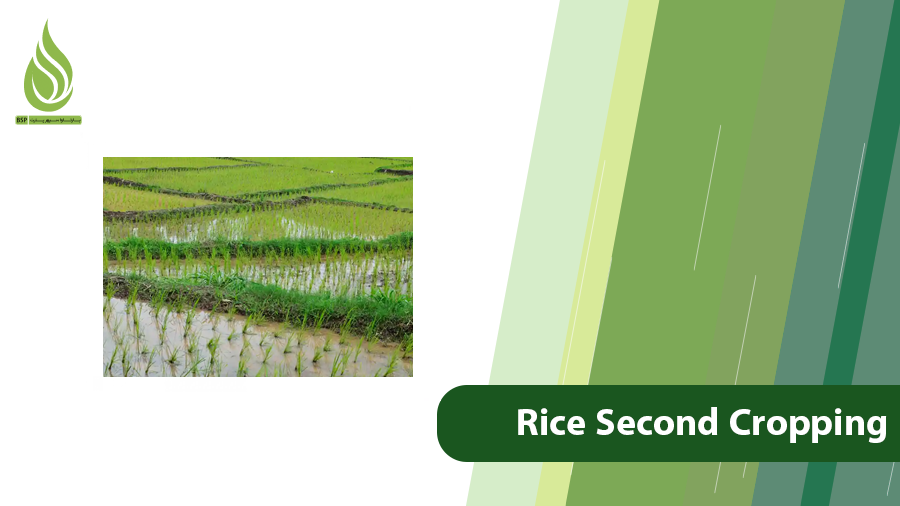
Second cropping of rice is the replanting of rice after the first crop has been harvested, and is usually done in some susceptible areas. If you have planted rice in an area where replanting is possible, you must feed the plants well to harvest a quality crop in the second crop. In this article, we present a fertilization schedule for the second crop of rice.
What is Second Cropping of Rice?
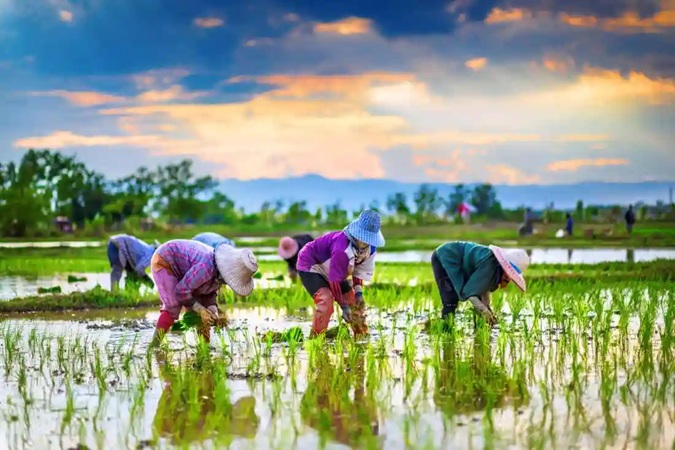
Second cropping of rice means replanting rice in fields that have recently been harvested. In this process, the farmer cultivates the land in spring and summer and harvests around August. Immediately after harvesting, the same land is prepared for replanting. The second crop of rice is harvested in November. The most accurate time for the second planting depends on factors such as seed type, soil conditions, rainfall, etc.
Generally, second cropping is done in areas with warm and temperate weather. There is also adequate water and rainfall in the region. In areas that have the climatic conditions for re-cultivation, this increases production and optimizes resource use. In recent years, with increasing demand for rice in domestic and global markets, farmers have been looking to second-crop rice as a way to increase their production and income.
Why Is It Important to Have a Fertilization Plan for the Second Crop?
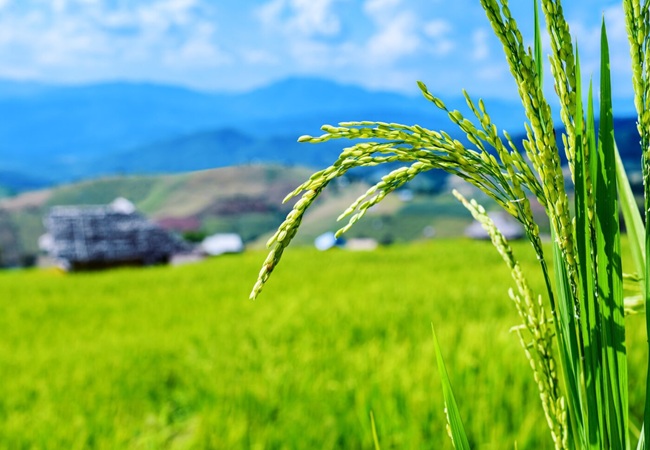
Unlike the first crop, the second crop of rice is planted in soil that has had some of its nutrients consumed or washed away by irrigation and rainfall. Also, the air temperature, day length, and plant growth rate are different in this crop, and the plant has less time to compensate for nutritional deficiencies. For this reason, the nutritional needs of rice in the second crop are more sensitive and nutrient deficiencies show up much faster.
On the other hand, the shorter growth period in the second crop means that any delay or imbalance in nutrition will directly affect tillering, clustering, and grain filling. In such circumstances, unplanned fertilization is not only ineffective, but can also cause fertilizer waste, increase costs, and reduce final yield. Having a precise and phased fertilization plan helps provide nutrients to the plant at the right time and in accordance with its actual needs.
Benefits of Having a Fertilization Program in Second Cropping of Rice
After harvesting the first crop, the soil often faces problems such as reduced amount of nitrogen, loss of organic matter, soil compaction, and nutrient leaching. These conditions cause the yield of the second crop to decrease drastically without a precise fertilization program. Having a systematic fertilization program in the second crop brings several benefits, the most important of which are:
- Accelerate seedling establishment
- Increase rice tillering and plant growth uniformity
- Rapidly compensate for nutrient deficiencies caused by first planting and soil leaching
- Improve clustering and grain filling in a short growth period
- Increase grain weight
- Reducing excessive fertilizer use and preventing nitrogen waste
- Increasing final yield per unit area and making second cropping more economical
- Increasing plant resistance to late season temperature and moisture stresses
In summary, the fertilization schedule in the second rice crop is not only a technical recommendation, but also a management necessity that plays a direct role in the success or failure of this crop.
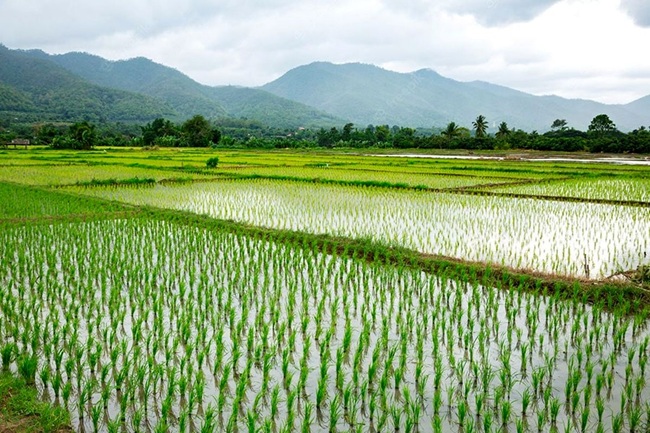
Effective fertilization in second cropping of rice not only helps increase crop yield, but also improves soil quality and conserves resources.
Suitable Fertilizer for the Second Cropping of Rice
The second crop of rice requires careful and planned nutrition due to the reduction in soil nutrient reserves after harvesting the first crop. Proper fertilization at this stage not only increases yield, but also improves grain quality and grain growth uniformity. For the second crop of rice, balanced use of different fertilizer groups is essential. The most important fertilizers that rice needs in the second crop are:
- Nitrogen fertilizer: Nitrogen is the most important nutrient in second-crop rice and plays a major role in vegetative growth, tillering, and panicle formation. Since a significant portion of soil nitrogen is consumed or lost through leaching in the first crop, the soil is usually deficient in nitrogen. However, one should not overdo this fertilizer. The side effects of excessive nitrogen consumption include excessive vegetative growth, plant dormancy, delayed ripening, and reduced grain quality. Therefore, nitrogen should be applied in installments, in accordance with the growth stages and climatic conditions.
- Phosphorus Fertilizer: Phosphorus is essential for root development, increased seedling establishment, improved tillering, and accelerated early plant growth. In second cropping, phosphorus deficiency can cause plant weakness, reduced absorption of other nutrients, and yield loss. Phosphorus application at the beginning of cropping plays a key role in the formation of strong plant bases.
- Potassium Fertilizer: Potassium plays an important role in increasing plant resistance to heat stress, improving the transport of photosynthetic materials, and increasing grain weight and quality. In second-crop rice, where the plant usually faces more environmental stresses, providing sufficient potassium can prevent yield reduction.
- Sulfur Fertilizer: Sulfur is one of the elements that is less paid attention to but is essential in rice cultivation. The use of sulfur fertilizers such as ammonium sulfate Barno fertilizer improves nitrogen absorption, increases protein synthesis, and improves and strengthens alkaline soils. In many soils in the north of the country, sulfur deficiency is one of the limiting factors in the yield of the second rice crop.
- Micronutrients: Micronutrients such as zinc, iron, and manganese play a vital role in photosynthesis, enzyme activity, and overall plant health. Deficiencies in these elements can cause yellowing of leaves, reduced growth, and severe yield losses. Targeted application of micronutrients at critical growth stages has a positive effect on the yield of the second crop.
Fertilization Timing in the Second Cropping
The timing of fertilization is particularly important in second crop rice. The best times are:
| Purpose of consumption | Recommended type of fertilizer | Rice growth stage |
| Strengthening roots and better establishment of seedlings | Phosphorus + part of potassium | Before transplanting or replanting |
| Stimulating early growth and tillering | Nitrogen (first stage) | 7–10 days after transplanting |
| Increase in the number of toes and resistance to stress | Nitrogen (second stage) + Potassium | Active tillering |
| Improve cluster formation and increase yield | Nitrogen (stage 3) + micronutrients | The beginning of cluster formation |
| Preventing nutritional deficiencies and quality decline | Foliar application of micronutrients (zinc, iron, manganese) | Before clustering (if needed) |
| Improve nitrogen absorption and grain quality | Sulfur fertilizers | During the season (in case of shortage) |
Note: Exact values should be adjusted based on soil test, rice variety, and regional conditions.
Final Tips for Maximizing Second Crop
Success in rice second cropping depends more than anything on careful management of plant nutrition. In most cases where farmers fail to achieve adequate yields from second cropping, the problem is not climate conditions; it is poor fertilization decisions that are causing the yield reduction.
One of the most common mistakes is the use of nitrogen fertilizer all at once; using nitrogen fertilizer all at once causes excessive vegetative growth, plant dormancy, and reduced seed quality.
Ignoring soil testing is another serious mistake that leads to unnecessary fertilizer use and wasted capital. Many farmers consider soil testing an extra task, while it greatly contributes to farm productivity because soil testing shows what properties the soil has and what amendments are needed.
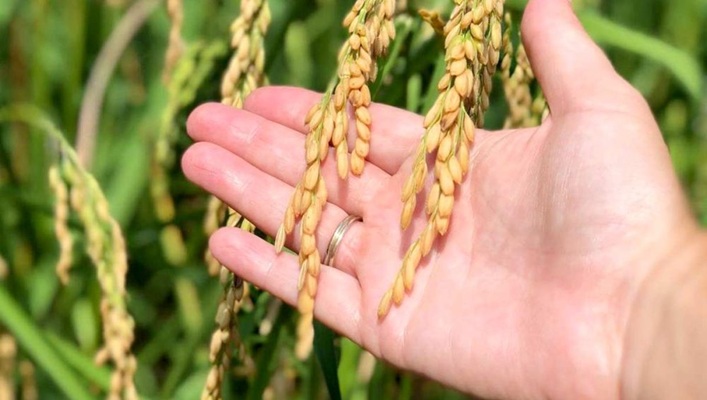
The omission or under-application of potassium and micronutrients, as well as late fertilization (when the plant is no longer able to effectively absorb the elements), are other factors that severely reduce the yield of the second crop and increase costs. To achieve maximum productivity in the second crop of rice, it is necessary to observe several key principles simultaneously:
- Conducting a soil test before planting is the most basic step in developing a precise nutrition plan.
- Fertilization should be done in stages and in a targeted manner so that nutrients are available to the plant exactly when it is needed.
- It is important to maintain a balance in the application of fertilizer to second-crop rice (in elements such as nitrogen, phosphorus, potassium, and micronutrients). Too much focus on one element can cause secondary deficiencies.
In the second crop, you must consider the growth time limit and climatic conditions such as temperature and humidity in the fertilization schedule. Ultimately, it can be said that systematic, intelligent fertilization appropriate to soil and climate conditions is the most important factor in transforming second crop rice into an economical, sustainable, and highly productive crop. Paying attention to these points reduces production risk and significantly increases the profitability of this crop.