Quick Soil Dry Out & Ways to Increase Soil Water Holding Capacity
Water scarcity and soil desiccation are among the most critical challenges facing agriculture in the modern world. This issue creates significant limitations, particularly in arid and semi-arid regions where every drop of water is precious. Many farmers, despite adhering to regular irrigation schedules, still grapple with the frustrating problem of rapid soil drying and the subsequent water stress experienced by their plants. The primary reason for this phenomenon is often the soil’s low capacity to retain water. However, there is good news: the water-holding capacity of soil is not a fixed or unchangeable characteristic. By understanding the influencing factors and implementing corrective methods, we can cultivate soil that retains water better and for longer periods. This not only boosts plant yield but also significantly reduces water consumption, creating a more sustainable and profitable agricultural system.
Why Is Soil Water Holding Capacity Important?
The depletion of water reserves in dams, the decline of groundwater resources, and the increasing frequency of droughts have challenged agriculture in the Middle East and many other parts of the world, including the western United States, parts of Australia, and the Mediterranean basin. Consequently, farmers must seek solutions that manage water scarcity by optimizing consumption and maximizing the plant’s ability to absorb moisture.
It is crucial to understand that not all water reaching the soil is available for plant use. A portion of it drains away through the soil profile (deep percolation), and another portion adheres so tightly to soil particles that roots are unable to extract it. In traditional agriculture, these nuances were often ignored; if the soil looked dry, it was irrigated. As a result, vast areas of agricultural land developed heavy textures and became devoid of organic matter. In modern agriculture, however, we focus on amending the soil texture to increase its water-holding capacity, ensuring that the root zone remains moist for extended periods.
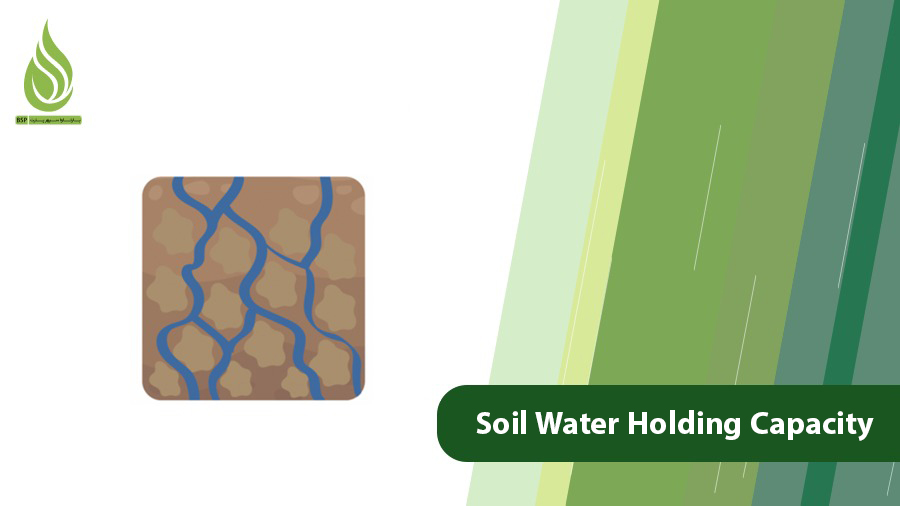
Soil water holding capacity refers to the soil’s ability to absorb and store “plant-available water.” When soil possesses an appropriate capacity for water retention, several benefits follow:
- The interval between irrigation cycles increases.
- Drought stress is minimized.
- Root growth and expansion improve.
- The absorption of nutrients is enhanced.
- Crop yield and quality rise.
- Water wastage is prevented.
What Factors Affect Soil Water Holding Capacity?
Various factors contribute to the soil’s ability to conserve water. The most important of these include:
- Soil Organic Matter: Organic matter plays a pivotal role in water retention. Soils rich in organic matter can store several times their weight in water. These materials increase soil porosity and give the soil a sponge-like structure, allowing it to hold water internally. Furthermore, organic matter improves soil structure, reduces runoff and evaporation, and boosts the activity of beneficial soil microbes. Soils poor in organic matter, even if they have a seemingly suitable texture, tend to dry out rapidly.
- Soil Structure: Soil structure refers to how soil particles are arranged relative to one another. Soils with a granular structure allow water to infiltrate better while simultaneously storing it and keeping it accessible to roots. In contrast, compacted and dense soils have low permeability, causing water to accumulate on the surface. This waterlogging prevents plants from accessing oxygen, effectively causing the roots to “suffocate” and die.
- Soil Texture (Sand, Silt, and Clay Ratio): Texture is the most critical determinant of water holding capacity. Sandy soils have high drainage, meaning water passes through them quickly; their capacity to hold water is very low. Conversely, clay soils retain water effectively but have poor aeration. Loamy soils offer the best balance between water retention and drainage. Generally, the higher the percentage of finer particles (silt and clay), the greater the surface area for contact, and consequently, the more water is held.
- Soil Salinity and pH: High salinity destroys soil structure and reduces water infiltration. Additionally, an improper pH level disrupts root activity and water uptake. In saline and alkaline soils, even if water is physically present, plants often suffer from physiological drought stress because they cannot absorb the moisture due to osmotic pressure.
- Soil Depth and Root Development: The more permeable the soil profile, the larger the volume of water that can be stored. This allows roots to access water in deeper layers. The presence of a “hardpan” (a dense layer of soil) or improper plowing limits the effective water-holding capacity of the soil.
Effective Methods to Increase Soil Water Holding Capacity
Adding Organic Matter to the Soil
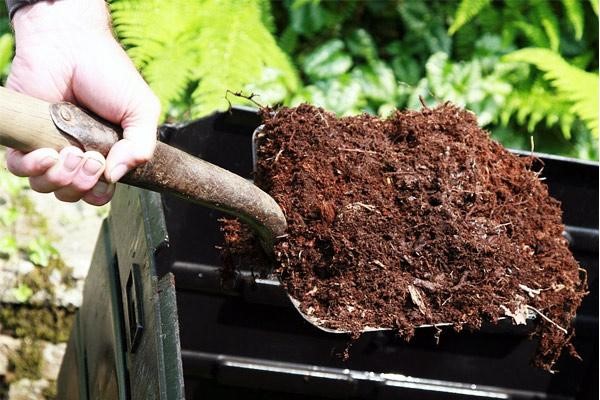
The most effective and sustainable strategy for increasing soil water retention is the incorporation of organic matter. This includes fully rotted animal manure, compost, and vermicompost. Organic fertilizers do more than just feed the plant; they amend the soil itself. These materials improve porosity, increase moisture retention capacity, and reduce soil hardness (compaction).
Compost acts like a sponge, holding water around the root zone and releasing it gradually to hydrate the plant. This characteristic is particularly beneficial for light soils. By using compost, soil particles aggregate into crumbs, creating tunnels that allow water to penetrate deep into the soil profile. As a result, water can infiltrate more deeply rather than running off the surface.
Amending Light (Sandy) Soils
Sandy and light soils lose water very quickly. If your fields have light soil, you must amend the soil. By adding organic matter, utilizing natural clays like bentonite, and managing crop residues, you can bring light soil into a healthier balance. Bentonite, for instance, can swell significantly when wet, increasing the soil’s ability to hold moisture.
Mulching (Covering the Soil Surface)
Mulching is one of the simplest and most cost-effective methods for conserving soil moisture. Applying a layer of mulch significantly reduces surface evaporation. Mulch also regulates soil temperature, preventing extreme fluctuations that can stress roots. Mulch can be plant-based (straw, hay, grass clippings) or organic (wood chips, compost). It serves as a protective barrier against the drying effects of the sun and wind.
Proper Irrigation Management
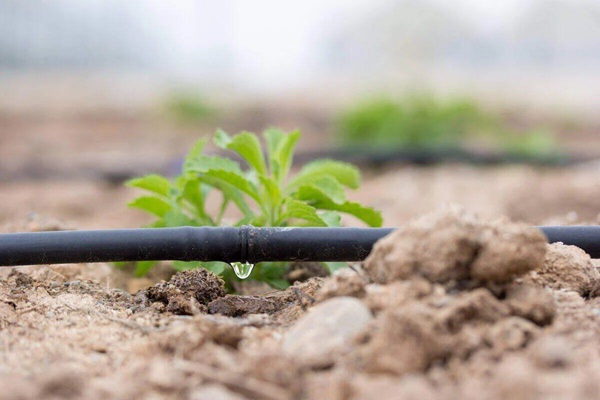
To increase soil moisture retention, it is often necessary to change your irrigation method. Instead of heavy, infrequent irrigation, you should increase the frequency of watering but apply lighter volumes each time. This approach prevents deep percolation loss and keeps the moisture in the root zone where it is needed. It is important to note that irrigation management complements soil amendment; it is not a substitute for it. Drip irrigation systems are particularly effective for this purpose, as they deliver water directly to the root zone with minimal evaporation.
Reducing Soil Compaction
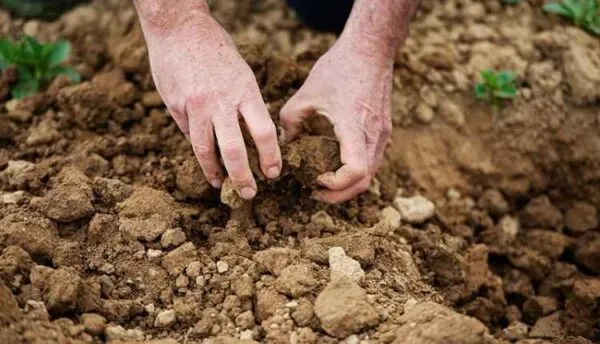
Soil compaction is a pervasive problem that worsens over time. Improper plowing, the traffic of heavy machinery on wet soil, and a lack of earthworms all contribute to compaction. To combat this, heavy machinery should be prevented from operating on the field when the soil is saturated. Additionally, the soil should be plowed using proper methods to an appropriate depth to break up hardpans without destroying the soil structure. Encouraging root growth, microbial activity, and earthworm populations also helps reduce soil density naturally.
Planting Cover Crops
Planting cover crops protects the soil from direct solar radiation. This method is highly effective in orchards and crop rotations. Cover crops, such as clover or rye, are often nitrogen-fixing plants that improve soil fertility. The root systems of cover crops help break up compacted soil, improving structure and water infiltration. When these crops are terminated, they add organic matter back into the soil.
Using Peat Moss
Peat moss is an organic material widely used for soil amendment. Due to its sponge-like texture, it significantly increases water holding capacity. Peat moss absorbs moisture and releases it slowly over time, making it available to plant roots. This sponge-like quality ensures that light, sandy soils do not dry out too quickly. Additionally, peat moss improves soil structure and enhances aeration, ensuring roots receive both water and oxygen.
Super Absorbent Polymers (Hydrogels)
One of the modern methods for increasing soil water holding capacity is the use of Super Absorbent Polymers (SAP). These substances have the ability to absorb vast quantities of water, sometimes hundreds of times their own weight, along with dissolved nutrients, and release the stored moisture gradually according to the plant’s needs.
When super absorbent polymers come into contact with water, they absorb it and swell to several times their original volume. They retain moisture and dissolved nutrients within their structure. As the soil dries out, the stored water is released slowly. This cycle of absorption and release ensures that irrigation or rainwater remains in the soil more efficiently and stays available to the plant for a longer duration.
Super absorbent polymers are used in soil in two forms: dry granules or hydrated hydrogel.
- Dry Method: Dry polymer granules are mixed into the soil, usually placed in the plant’s root zone, or tilled into the top few centimeters of soil. After application, a sufficient initial irrigation is essential to hydrate the polymer to its maximum capacity. This method is often more effective in regions with adequate water access.
- Hydrogel Method: In this method, the polymer is pre-soaked in water until it swells into a gel. It is then mixed with soil or organic fertilizer and placed in the root zone. This results in more uniform moisture distribution in the soil. The advantages include a reduced need for heavy initial irrigation and increased efficiency. The hydrogel method is highly recommended for arid and water-scarce regions.
The Role of Soil Testing in Increasing Water Retention
Rapid soil drying is not an inevitable problem; it is the result of a combination of improper texture, lack of organic matter, weak structure, and poor management. By scientifically amending the soil and employing modern methods, we can create soil that holds water better, reduces consumption, and makes production more sustainable.
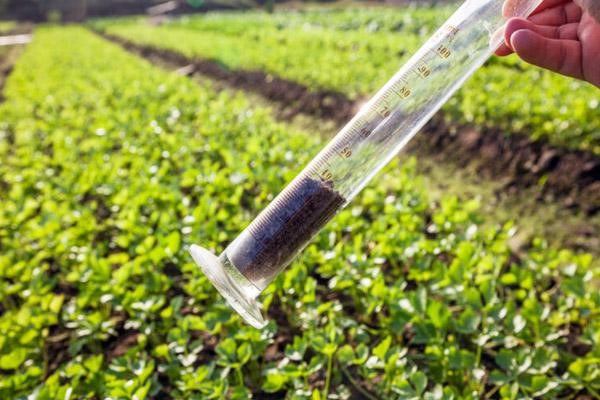
To amend soil texture and structure effectively, we must know its precise characteristics to plan targeted corrections. Soil testing assists in this process by:
- Determining the actual soil texture (sand, silt, clay percentages).
- Measuring the organic matter percentage.
- Determining salinity (EC) and pH levels.
- Allowing us to design a precise and targeted amendment program based on the obtained data.
Without knowing the soil, any action taken may be ineffective or even harmful. For example, adding clay to a soil that is already heavy could worsen drainage problems, while adding sand to a clay soil without organic matter can result in a concrete-like substance.
Healthy Soil = Retained Water = Stronger Plants
By implementing these strategies, ranging from organic amendments and mulching to high-tech solutions like hydrogels, farmers can transform their soil into a resilient reservoir. This not only safeguards crops against the vagaries of weather but also ensures the long-term viability of the farm in an era of water conservation.