What Is Photosynthesis? Simple Guide to How Plants Make Food
Photosynthesis is essential for life on Earth. Plants, algae, and some bacteria use sunlight to turn water and carbon dioxide into sugar and oxygen. This sugar fuels plant growth, while the oxygen supports life. In this guide, we explain what photosynthesis is, how it works, what affects it, and why it is so important. We also explore how climate change impacts this process and how fertilizers, such as ammonium sulfate, can help plants perform better. Here we offer clear insights for gardeners, farmers, or anyone interested in how plants contribute to a healthy world.
Imagine a green leaf in sunlight, working like a tiny factory that uses light to produce energy. This process sustains all life, from insects to animals and humans. In farming, understanding this helps growers raise healthier, more abundant crops. By using the right fertilizers, farmers can enhance this natural energy production and increase their harvests.
A Basic Look at Photosynthesis
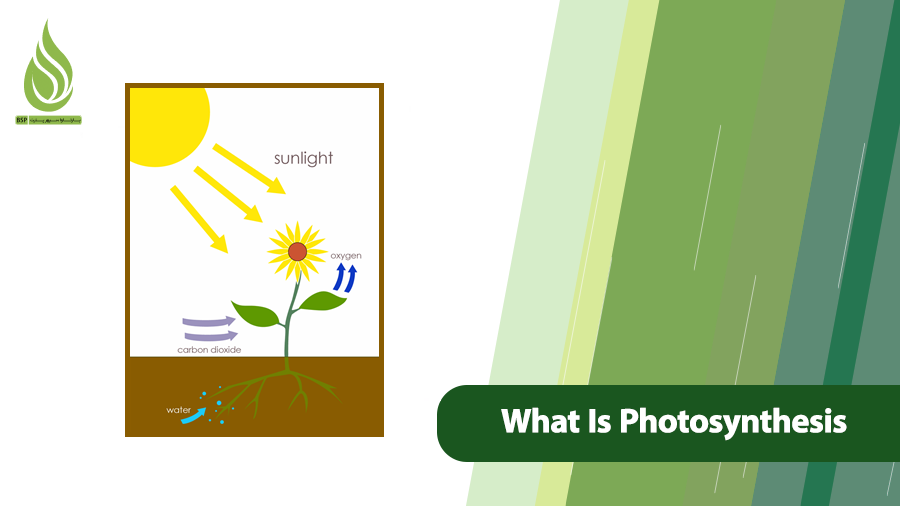
Photosynthesis is how plants create their own food using sunlight. The word combines “photo” for light and “synthesis” for putting things together. Plants capture the sun’s light with a green substance called chlorophyll, which is found in special cell parts named chloroplasts. Using water and carbon dioxide, they produce glucose, a form of sugar, and release oxygen.
Here is how it works simply: Plants draw water up from the soil through their roots. Carbon dioxide enters from the air through tiny openings on the leaves. Sunlight reaches the green chlorophyll inside the leaves, which starts a chemical process that turns water and carbon dioxide into sugar. This sugar is carried throughout the plant to support its roots, stems, leaves, flowers, and fruit. Some sugar is also stored as starch or used to build strong plant fibers.
Only the green parts of a plant, which contain chlorophyll, can perform photosynthesis. Leaves do most of this work because they have the highest concentration of the necessary green cells. Other green areas, such as new stems, can also contribute. However, roots and brown, woody sections cannot make food this way. That is why keeping leaves healthy is essential in both gardening and farming.
In farming, photosynthesis has a direct impact on your harvest. For crops such as corn, wheat, or tomatoes, more efficient photosynthesis means healthier plants and bigger yields. Farmers can support this process by providing plants with key nutrients from the soil. A fertilizer like ammonium sulfate is useful because it supplies both nitrogen and sulfur. These elements help plants produce more chlorophyll, which in turn makes photosynthesis more effective.

Why Photosynthesis Matters for All Life
Photosynthesis is vital for all life, not just plants. During this process, plants take in carbon dioxide and release oxygen as a byproduct. We and other animals breathe in this oxygen to survive. Without plants continually producing oxygen in this way, the air would gradually lose the oxygen we depend on.
Second, photosynthesis supplies food for the entire food chain. Plants produce sugars for their own energy, and animals eat plants to obtain that energy. This energy then passes to other animals that eat those herbivores. Humans also rely on this chain, as most of our food comes either directly from plants or from animals that eat plants. In agriculture, photosynthesis is the foundation of all crop production; healthier and more efficient photosynthesis results in larger harvests of fruits, grains, and vegetables.
Third, this process helps regulate the planet’s temperature. Plants take in carbon dioxide, a gas that holds heat in the atmosphere. By absorbing it, they help reduce global warming. This is why forests and farms are so important in addressing climate change. Recent research found that land plants increased their photosynthesis by about 12%, which has helped make up for a decline in the oceans. However, the rising levels of carbon dioxide from human actions are creating new difficulties for plant life.
This process keeps our air fresh and our food supply reliable in daily life. For farmers, supporting it can lead to better harvests and higher profits. Using fertilizers such as ammonium sulfate helps significantly by providing important nutrients that improve plant health and their natural ability to produce food.
Things That Affect How Well Photosynthesis Works
Several factors can change how well photosynthesis works. Knowing about them can help anyone grow stronger, healthier plants. Here are the most important ones, explained in simple terms.
Light: The Power Source
Sunlight is the primary source of energy for photosynthesis. Generally, more light means faster food production; up to a certain point. On dim or cloudy days, plants produce less sugar, but overly harsh light can damage leaves. Plants do best under bright but not extreme sunlight, which is why greenhouses often use supplemental lighting to provide a steady source. Light color also matters: chlorophyll absorbs red and blue light well and reflects green light, which is why leaves appear green. For indoor growing, LED lights that imitate sunlight’s spectrum work effectively.
Temperature: Not Too Hot, Not Too Cold
Plants grow best in moderate warmth for photosynthesis. Most prefer temperatures between 68 and 95 degrees Fahrenheit. When it’s too cold, the process slows down. If it’s too hot, important proteins that drive the reactions can stop working properly. High heat can also cause plants to close their pores to conserve water, which keeps out the carbon dioxide they need.
In farming, managing temperature is essential. Greenhouses or shade covers are useful in hot climates. As climate change increases heat waves, it is wise to choose plants that handle heat well.
Water: Essential for Everything
Water is essential for photosynthesis and for moving nutrients throughout the plant. When there isn’t enough water, the small openings on leaves close to prevent moisture loss, which also blocks carbon dioxide from entering and slows the whole process down. On the other hand, too much water can suffocate the roots by cutting off their oxygen. Good watering keeps the soil evenly moist without being waterlogged. In dry regions, methods like drip irrigation help conserve water while still supporting steady photosynthesis.
Carbon Dioxide: The Building Block
Plants require carbon dioxide to produce sugars through photosynthesis. While the air naturally contains about 0.04% carbon dioxide, adding more can increase the rate of photosynthesis, which is why farmers sometimes raise carbon dioxide levels in enclosed greenhouses to improve growth. However, extra carbon dioxide only helps if plants also have enough light and water. Although rising global carbon dioxide levels can temporarily speed up plant growth, other climate-related stresses like extreme heat often offset this benefit.
Nutrients: Food for the Plant
Plants need minerals from the soil to produce chlorophyll and carry out photosynthesis. Important minerals include nitrogen for chlorophyll, magnesium at its core, iron for moving energy, phosphorus for storing energy, potassium for regulating leaf pores, and sulfur for building proteins. Without enough of these, photosynthesis weakens; leaves can turn yellow and growth slows. Fertilizers like ammonium sulfate help by providing both nitrogen and sulfur. Nitrogen supports more chlorophyll, helping plants capture more light, while sulfur aids enzyme function and plant health. Research shows this can improve crop yields by 10–20% by enhancing nutrient availability and adjusting soil acidity.
Humidity: Balancing Moisture in the Air
The amount of moisture in the air influences how quickly plants lose water through their leaves. An ideal humidity level for most plants is between 40% and 60%. If the air is too dry, plants will close their pores to conserve water, which also limits their intake of carbon dioxide. If the air is too damp, it can encourage mold and fungus. In humid climates, good ventilation helps. In dry areas, misting or using humidifiers can help maintain a better balance.
Stress from the Environment
When plants face challenges like pollution, pests, disease, salty soil, or strong winds, they become stressed. This stress forces them to use energy just to survive instead of making food. Keeping the air clean, controlling pests, and maintaining healthy soil helps reduce this strain. For instance, pollutants such as ozone can harm plant cells and slow down photosynthesis. Regular monitoring and natural solutions help keep plants healthy. By managing these factors, farmers can support stronger photosynthesis. Soil tests can identify missing nutrients, which guides how to fertilize effectively. Ammonium sulfate is a common choice because it works quickly and provides two important nutrients at once.
How Photosynthesis Happens Step by Step
Photosynthesis has two main parts: one that needs light and one that does not.
The Light Part
This process takes place in the flat, sac-like structures within the plant’s cells called chloroplasts. When sunlight strikes the green chlorophyll, it energizes electrons. This energy splits water into hydrogen, oxygen, and electrons. The oxygen is released into the air, while the energy is stored in special molecules that power the next stage of photosynthesis.
The Dark Part (Calvin Cycle)
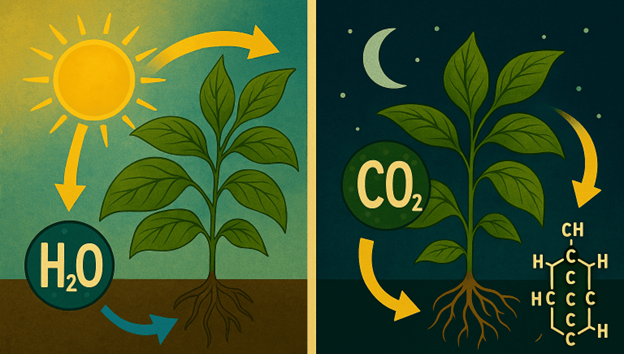
This second stage happens in the fluid area of the cell, using the energy molecules produced by sunlight to turn carbon dioxide into sugar. This is known as the Calvin Cycle. While it doesn’t use light directly, it depends completely on the energy made in the first stage. The entire process is efficient but has a flaw: some energy is lost, especially in heat, through a side reaction called photorespiration. Scientists are working to improve this. For farmers, this knowledge helps in selecting crops; plants like corn have a natural adaptation that minimizes this energy loss in hot weather, unlike crops such as wheat.
Where Photosynthesis Takes Place
Photosynthesis mainly happens in the leaves, inside small green structures called chloroplasts. Leaves are broad and thin to absorb plenty of sunlight and air, with tiny pores that allow gases to move in and out, and veins that transport water and sugars. Water plants perform a similar process but with adaptations for living underwater. In deserts, plants like cacti have a special method that opens their pores only at night to prevent water loss. Keeping leaves clean and healthy, through careful pruning and pest control, helps this natural process work efficiently.
How Climate Change Changes Photosynthesis
Climate change is bringing warmer temperatures, more frequent dry periods, and higher levels of carbon dioxide. These changes affect plants in different ways. Warmer air can speed up some plant processes but often causes them to lose more energy, reducing their efficiency. For instance, wheat yields could fall by about 6% for every degree of warming. Droughts force plants to close their pores, which blocks the carbon dioxide they need, and pollution can damage their leaves.
Higher carbon dioxide can help plants grow faster in the short term, but the negative effects of heat and drought usually outweigh this benefit. A study noted that while land plants have increased their photosynthesis, ocean plant life has declined. To adapt, farmers are using drought-resistant seeds, more efficient irrigation, and helpful fertilizers. Ammonium sulfate is useful because it helps plants absorb nutrients even in poor soil. Recent research is also promising: scientists answered important questions about how photosynthesis works and found ways to enhance it, with new bioengineering methods potentially increasing crop yields by 20 to 50 percent.

Boosting Photosynthesis with Fertilizers
Fertilizers provide key nutrients that improve photosynthesis, and ammonium sulfate is a strong option because it contains 21% nitrogen and 24% sulfur. Nitrogen fertilizer helps plants produce more chlorophyll to absorb sunlight, while sulfur supports essential proteins and enzymes. It also gently acidifies alkaline soil, freeing up other nutrients. This results in greener leaves, stronger growth, and higher yields.
For fruit trees, it encourages healthy development and larger fruit, and in field crops, it corrects deficiencies and can improve disease resistance. To use it well, test your soil first to prevent over-application and apply it in spring for the best effect. As a supplier of ammonium sulfate, we understand how it helps farmers grow healthier, more productive plants.
Types of Photosynthesis and Their Benefits
Most plants use a basic method called C3 photosynthesis, which takes in carbon dioxide directly but can be inefficient in hot weather. Plants like corn use a more efficient method called C4, which is better suited for hot, dry climates. Succulents and some desert plants use a third method, CAM, which gathers carbon dioxide at night to save water. In farming, understanding and sometimes blending these types can help grow stronger, more productive crops.
Practical Tips for Farmers and Gardeners
To boost photosynthesis, plant in sunny areas, water consistently but avoid overwatering, and use balanced fertilizers like ammonium sulfate. Keep pests under control and pay attention to the weather so you can adapt as needed. It’s also important to maintain healthy soil; rotating your crops helps preserve nutrients in the ground.