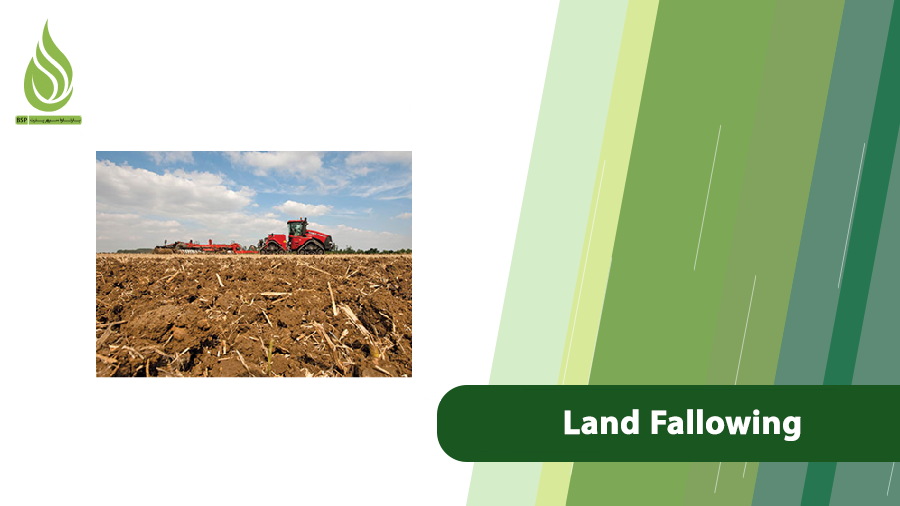
What Is Land Fallowing? When Should You Do It?
In sustainable farming, land fallowing, often described as letting the soil rest, is a traditional practice where farmland is left unplanted to recover its strength and fertility. This is not merely leaving a field empty; it is a planned method to restore the soil’s nutrients and structure. In this guide, we will explain what land fallowing is, when to use it, its many advantages, and how to manage soil nutrients during this period. Whether you farm in the dry areas, where alkaline soil and limited water are frequent challenges, knowing how to use fallowing can lead to healthier crops and better harvests.
What Exactly Is Land Fallowing?
Soil is more than just dirt; it’s a living, breathing system. Farming it too hard by planting season after season, using fertilizers incorrectly, tilling repeatedly, and not adding organic matter can wear it out, making it tired and less fruitful. One of the oldest and most reliable ways to fix this is called land fallowing.
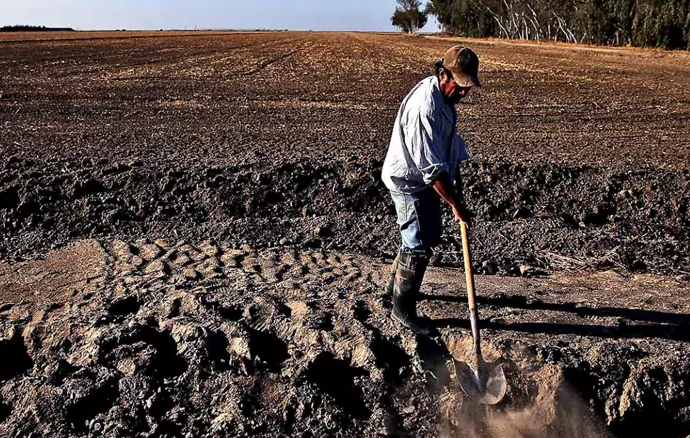
Fallowing means taking a planned break from planting. For a season or longer, the field is left unplanted so the soil can rest and recover. During this time, you might still lightly work the land and control weeds, but you don’t grow a main crop. This rest allows natural processes to rebuild nutrients, improve the soil’s structure, and revive the life within it.
Contrary to what some farmers think, fallowing does not mean leaving the land unused. It is a smart way to care for the soil so it can be more productive in the coming seasons. Recent research confirms that fallowing restores tired soil, helps more plants and animals thrive, reduces erosion, and helps the ground hold more water; which is especially important in the dry regions of Central Asia and the Middle East.
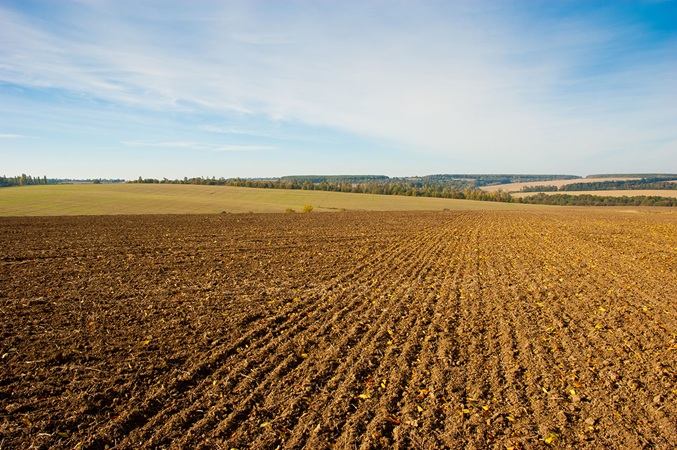
The way you practice fallowing depends on your local climate, soil, and goals. Here are the main approaches:
- Complete Fallow: No crops are planted at all. Only simple tasks like turning the soil lightly or controlling weeds are done. This method is best for dry areas with little rain, where saving every drop of water in the soil is important.
- Green fallow: In a green fallow, farmers plant cover crops, such as legumes, to protect the soil. These plants add organic matter and nutrients back into the earth. This method is an excellent sustainable practice, as it enriches the soil without leaving it completely unused.
- Conservation fallow: Conservation fallow involves very little tilling to protect the soil’s structure and prevent erosion. This approach is common in modern, large-scale farming and fits well with the sustainable agriculture methods supported by organizations like ICARDA in Central Asia.
Fallowing vs. Crop Rotation: What’s the Difference?
In simple terms, fallowing means giving the land a full rest, while crop rotation keeps it productive by changing what is planted each season.
With fallowing, part or all of a field is left unplanted for a period, often a year or more, to rebuild nutrients, improve soil structure, and store moisture. Its main purposes are to revive the soil and save water.
Crop rotation, on the other hand, means growing different crops in sequence each year. Because each crop uses different nutrients, this reduces wear on the soil, helps manage pests and diseases, and maintains fertility without taking the land completely out of use.
- Fallowing = A complete break from planting to restore the soil.
- Crop Rotation = Changing crops regularly to keep the soil healthy while still harvesting.
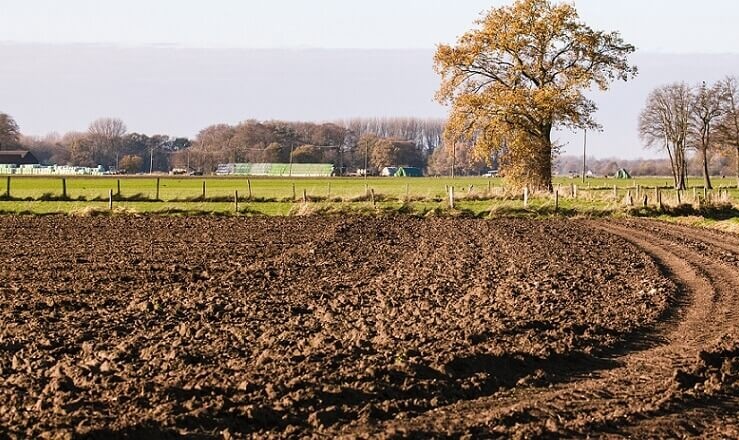
Research shows that crop rotation typically produces 15–40% better yields than growing the same crop every year. However, fallowing is especially valuable for worn-out or very dry soils where rotation alone isn’t enough. Using both methods together, rotating crops and sometimes including a fallow period, delivers the best long-term outcomes.
When Should You Fallow Your Land?
The right time depends on your soil’s health and past use. Here are clear signs it may be time for a fallow period:
- You see a clear decrease in your harvests.
- You have planted crops year after year without changing them.
- Your soil is hard, salty, or low in organic matter.
- You farm in a dry area and need to save more water in the soil.
- After growing crops that use a lot of soil nutrients, such as corn or wheat.
Recent research on restoring tired farmland suggests fallowing is most useful when the land’s productivity has dropped due to poor soil health; a common issue in parts of the Middle East and Central Asia. Taking action early can prevent greater long-term damage.
Why Fallow Your Farmland? (The Key Benefits)
Fallowing provides significant benefits for both soil health and farm productivity:
- Better Soil: Rebuilds nutrients and improves structure for healthier roots.
- Fewer Pests and Diseases: Interrupts pest and disease cycles by changing what grows.
- Weed Control: Prevents weeds from going to seed and spreading.
- Healthier Soil Life: Allows helpful microbes to flourish with less disturbance.
- More Organic Matter: Increases carbon, nitrogen, and overall soil richness.
- Improved Nutrient Availability: Makes key nutrients like potassium and phosphorus easier for plants to absorb.
- Increased Biodiversity: Encourages a wider variety of beneficial plants and organisms.
- Higher Future Yields: Rested soil leads to stronger, more productive crops in the next season.
- Water Storage: Captures and saves rainfall in the soil, which is crucial in dry regions.
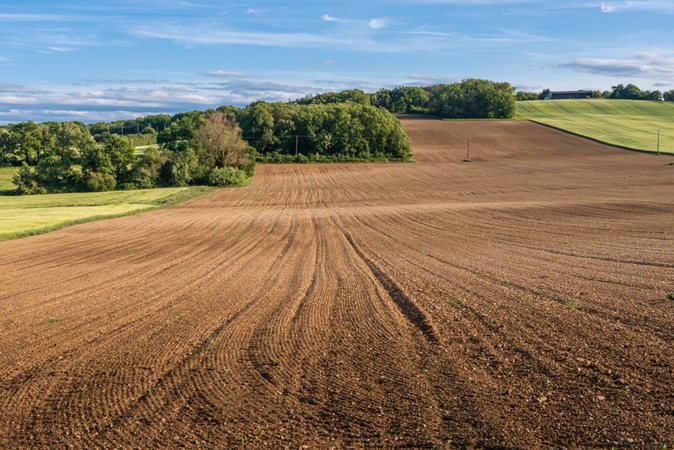
Managing Soil During Fallow: It’s More Than Just Letting It Rest
A successful fallow period requires active care, not simply leaving the field alone. Combine rest with specific practices to achieve the best recovery:
- Weed Control: Manage weeds through tillage or safe herbicides to stop them from using up soil nutrients.
- Adjust Salinity and pH: Reduce salt levels and adjust soil pH if it is too alkaline.
- Prevent Compaction: Avoid using heavy machinery or grazing livestock to keep the soil loose.
- Provide Balanced Nutrition: Use fertilizers that address specific nutrient shortages shown in a soil test.
- Add Organic Matter: Incorporate manure, compost, or plant remains to improve soil structure and support microbes.
- Retain Moisture: Use mulch to reduce water evaporation from the soil surface.
Can You Use Ammonium Sulfate During Fallow Periods?
Yes, but carefully and at the right time; not throughout the entire fallow period.
Traditional fallowing avoids adding nitrogen fertilizers to let the soil rest. However, in modern farming, especially in alkaline soils like those in the Middle East, experts suggest a limited application of ammonium sulfate near the end of the fallow period or right before planting again.
Reasons to apply it late:
- It supplies needed sulfur (this is the main goal, not the nitrogen).
- It gently lowers the pH of alkaline soil.
- It helps activate soil microbes before planting.
- It prepares the soil for the next crop without overstimulating early growth.
Important precautions:
Do not apply it early or in the middle of the fallow, as the nutrients can wash away or be lost to the air. Using too much can also increase soil salinity. For best results, choose a granulated, slow-release fertilizer to minimize waste.
Ammonium sulfate gently acidifies soil, which helps plants access nutrients in alkaline conditions. It contains 21% nitrogen and 24% sulfur, supporting chlorophyll and root health without overloading resting soil.
In Central Asian field trials, similar sulfur-based fertilizers applied during managed fallow periods increased microbial activity and improved crop yields. We suggest you also take a look at our guide to nitrogen’s effect on microorganisms.
Tips for Successful Fallowing
- Test your soil first.
- Choose the fallow method that fits your climate; green fallowing is a good sustainable option.
- Keep an eye on weeds and soil moisture.
- Ask local experts for advice on how much ammonium sulfate to use.
When done correctly, fallowing creates a strong foundation for healthy and productive farming. In many regions, combining it with effective fertilizers like granular ammonium sulfate helps keep your soil fertile year after year.