Why is Rice Yield Low? Solutions for Increasing Rice Tonnage
Rice is one of the world’s most critical staple crops, providing the main source of calories and supporting food security for billions of people in many countries. In nations like Iran, rice plays an especially vital role, not only as a daily dietary staple but also as a deep part of cultural heritage and tradition. In recent years, however, the agricultural sector has encountered serious obstacles. Growing shortages of water resources, combined with declining soil fertility in many farming areas, have led to noticeable drops in rice harvests across most major production regions. In this guide, we’ll explore the key reasons behind declining yields in rice fields and outline proven, practical strategies for increasing rice tonnage (yield per unit area). The goal is to help farmers achieve more sustainable, higher-output, and profitable rice production.
What Does “Rice Tonnage” Mean, and Why Should Declining Yields Raise Concern?
Rice is grown successfully in diverse climates, including Iran’s northern and southern provinces. It remains a cornerstone of family meals across the country, and many rice-producing regions already have solid infrastructure in place for both domestic consumption and potential exports.
When farmers can increase production per hectare, it translates directly into higher income and stronger livelihoods. On the other hand, falling yields immediately threaten farm profitability and can jeopardize long-term economic stability for growers and their families.
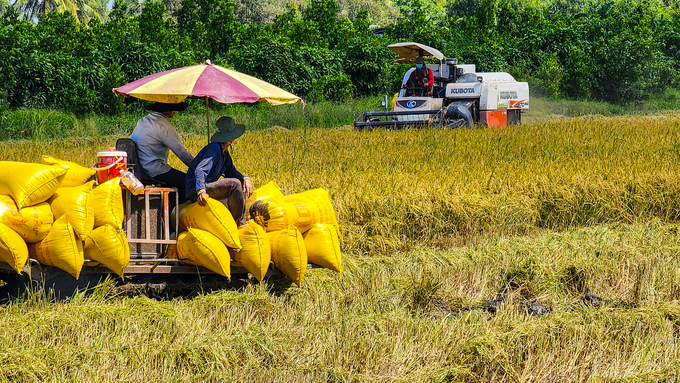
Rice tonnage (also called yield) refers to the quantity of harvested rice obtained from a given area of land, typically measured in metric tons per hectare (t/ha). Higher tonnage means greater profit potential for the farmer, while lower tonnage squeezes margins, raises unit production costs, and can even lead to financial losses.
Several factors can cause yields to drop, including:
- Poor water management
- Degraded soil quality
- Inadequate or imbalanced nutrition
- Challenging environmental conditions (such as drought, salinity buildup, or extreme weather)
When tonnage declines, the cost to produce each kilogram of rice rises sharply, shrinking the farmer’s net return. That’s why identifying and addressing the root causes of lower yields is the essential first step toward restoring, and ultimately improving, farm performance and profitability.
By understanding these challenges and applying modern, research-backed practices, including optimized nutrient management with sources like ammonium sulfate fertilizer, farmers can work toward reversing yield declines and building more resilient, productive rice operations. We suggest you take a look at our guid to the effect of ammonium sulfate on rice.
The Most Important Reasons for Low Rice Tonnage in Paddies
Low rice tonnage is rarely caused by a single factor; rather, it is the result of a combination of interacting elements. The most significant factors reducing rice yield in paddies include:
- Soil Nutrient Poverty: Caused by the uncontrolled or incorrect use of fertilizers, leading to an imbalance in soil chemistry.
- Leaching of Nutrients: The washing away of essential nutrients due to improper irrigation techniques.
- Unsuitable Varieties: Using rice varieties that are not adapted to the specific climatic conditions of the region.
- Environmental Stress: Heat stress, drought (water scarcity), or excessive humidity and waterlogging.
- Inappropriate Transplanting Density: Planting seedlings too close together or too far apart.
- Incorrect Timing: Planting or harvesting at the wrong time relative to the seasonal cycle.
Recognizing these factors helps the farmer move away from temporary, band-aid solutions and implement fundamental, structural corrections.
Practical and Quick Solutions for Increasing Rice Tonnage
Increasing rice tonnage generally occurs through two main pathways:
- Increasing the weight of the grain: Heavier grains mean higher total weight.
- Increasing flowering and grain setting (panicle fertility): More filled grains per panicle directly increase yield.
For boosting the performance of paddies and increasing rice tonnage, the following measures should be implemented:
Water Management
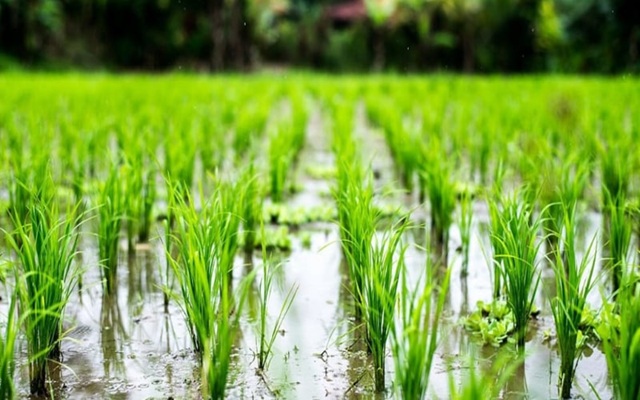
Water is the most vital factor in rice cultivation; however, having an excessive amount of water does not always equate to higher performance. While the water requirement for rice is higher than that of any other crop, the method of application is key. Paddies should be flooded to a depth of approximately 25 millimeters (about 1 inch) during the transplanting stage and maintained at a depth of about 150 millimeters (roughly 6 inches) during the critical growth stages. However, this flooding is not required continuously throughout the entire life cycle.
Permanent standing water (continuous flooding) can actually reduce oxygen supply to the roots, weaken root activity, and increase the leaching (washing away) of nitrogen, a vital nutrient.
Proper paddy management includes controlled intermittent irrigation, draining the water at specific growth stages (such as mid-season for aeration), and preventing long-term waterlogging. Scientific water management promotes increased tillering in rice, stronger root systems, and ultimately higher tonnage.
While rice can be grown in most soil types provided it receives adequate moisture and nutrition, the soil must have water-holding properties capable of being flooded. The ideal region for rice cultivation features high humidity, adequate rainfall (over 150 cm annually), and temperatures consistently above 24°C (75°F).
The optimal pH for rice cultivation is between 5 and 7.5. In soils with a higher pH, growth is inhibited. Consequently, farmers must use appropriate amendments to control soil pH. Naturally, the richer your soil and the better its drainage, the better the conditions for plant growth.
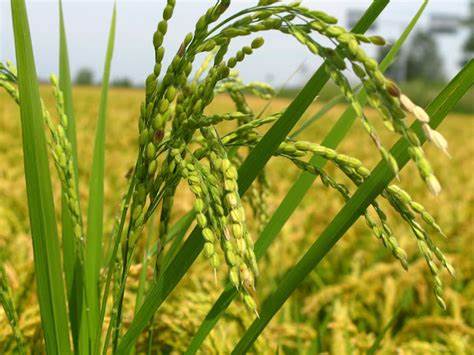
Proper Nutrition and Its Impact on Increasing Rice Tonnage
Many farmers operate under the misconception that using more fertilizer equals more product. In reality, unbalanced fertilization is one of the primary reasons for low tonnage. To harvest a high-quality crop, attention must be paid to the plant’s needs at every stage of growth. However, over-fertilization should be strictly avoided.
Providing a balanced supply of nutrients leads to increased tillering in rice and boosts the number of grains in each panicle (cluster), thereby increasing crop tonnage. To achieve high tonnage, rice requires elements such as Nitrogen, Phosphorus, Potassium, Calcium, and micronutrients (including Zinc, Iron, and Manganese). The appropriate amount of fertilizer is determined by a soil test. However, the general timing for specific fertilizers is relatively well-established.
Nitrogen consumption increases vegetative growth, boosts tillering, and creates strong, healthy bushes. Nitrogen also strengthens the stem structure, preventing lodging (the falling over of plants due to weight or wind). However, timing is crucial. Nitrogen fertilizers should be applied during the early stages of vegetative growth and up until the grain filling stage begins. It is better not to apply this fertilizer all at once; instead, it should be split into several applications (top-dressing) throughout the season.
Potassium, on the other hand, is responsible for filling the grains, increasing their weight, and improving the overall quality of the product. It should be consumed in split doses during different stages of growth. While all rice varieties need various nutrients, the specific quantity required in your field depends on soil conditions. The consumption rate of each fertilizer varies based on the rice variety, the plant’s growth stage, soil deficiencies, and the type of fertilizer (liquid, powder, crystalline, etc.). Therefore, a precise fertilization plan must be tailored to the specific conditions of the farm.
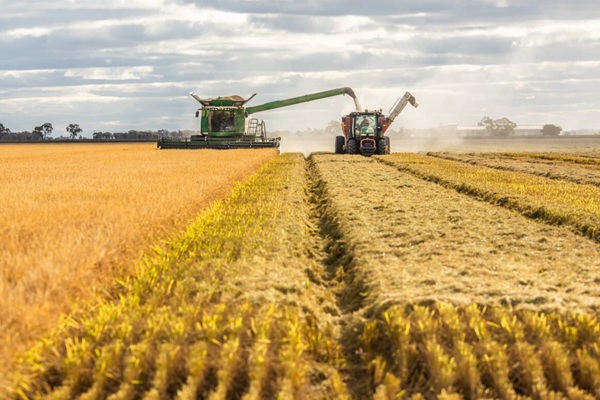
Choosing a Region-Compatible Variety
Different rice varieties thrive under specific conditions regarding temperature, disease prevalence, irrigation levels, and day length. The variety you choose must be compatible with your region’s climate to witness maximum efficiency.
The selected variety should have a high germination capacity. Furthermore, the seed variety chosen must be resistant to the common diseases of your region. The selected seed should be mature, but signs of aging should not be visible on the seed itself.
Choosing the right variety can noticeably increase tonnage without increasing costs. For variety selection, consult with an agricultural expert or experienced local farmers who understand the micro-climate of the area.
Transplanting at the Right Time and Place
To increase rice tonnage, attention to even the smallest details matters. Transplanting seedlings too early or too late exposes the plant to temperature stress. This issue leads to a reduction in the number of panicles and, consequently, low grain density.
The spacing and placement of the seedlings you plant also have a significant impact on crop tonnage. When the density of seedlings is too high and they are planted too close together, competition for light and food increases, resulting in reduced yield. Balancing the distance between seedlings increases the number of fertile tillers and uniformity of the panicles, which directly raises the tonnage.
Suitable Weather and Climate
Rice is a tropical plant and requires moisture and heat for ideal growth. The suitable temperature for rice growth is 24 degrees Celsius and above. Additionally, for a suitable harvest, the annual rainfall in your region should ideally be 150 centimeters or more. In areas where rainfall is insufficient, supplemental irrigation infrastructure must be robust to mimic these conditions.
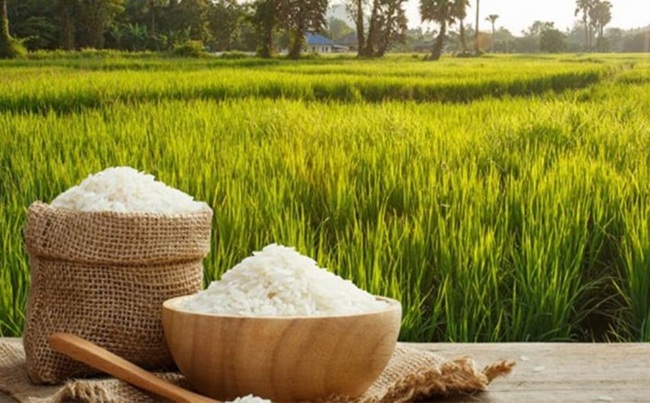
Pest and Disease Control
Rice paddies are humid environments. Consequently, conditions are ripe for disease outbreaks in these fields. Rice farmers (shalicars) must regularly check the conditions of the paddy and, if necessary, control pests using suitable products. Of course, prevention is always better than cure. It is better to prevent the occurrence of diseases and pests through preventive strategies.
Planting disease-resistant seeds, sanitizing agricultural equipment, removing weeds, and proper fertilization all help increase the plants’ resistance to diseases and pests. Integrated Pest Management (IPM) is a modern approach that combines biological control and responsible chemical use to manage these threats effectively.
Conducting a Soil Test Before the Fertilization Program
Soil testing in rice paddies is important for several critical reasons:
- Precise Determination of Soil Fertilizer Needs: Every paddy’s soil has different conditions regarding nutrients (Nitrogen, Phosphorus, Potassium, Zinc, etc.). A soil test reveals which elements are low or even excessive in your soil. This prevents uncontrolled or insufficient fertilizer consumption.
- Increasing Performance and Quality of Rice Product: When fertilization is performed based on soil test results, the plant receives exactly the nutrients it needs. As a result, we witness an increase in performance per unit area.
- Reducing Production Costs: Without a soil test, a farmer may either over-fertilize or choose the wrong fertilizer. Soil testing ensures that only necessary fertilizers are used in the correct amounts. Consequently, costs decrease significantly.
- Preventing Long-Term Soil Fertility Decline: The incorrect use of chemical fertilizers gradually causes salinity, acidification, or imbalance in the soil. Soil testing helps ensure nutritional management is carried out properly, keeping the land fertile for years to come.
- Diagnosing Specific Paddy Soil Problems: A soil test can identify issues such as micronutrient deficiencies (e.g., Zinc), salinity, inappropriate acidity (pH), or the accumulation of toxic elements. Diagnosing these cases without a test is impossible.
Therefore, soil testing in rice paddies is not an extra or costly task, but a necessary tool for increasing product yield, reducing costs, preserving the soil, and ensuring sustainable agriculture. By treating the soil as a living entity that requires specific care, farmers can reverse the trend of declining yields and secure a profitable future.