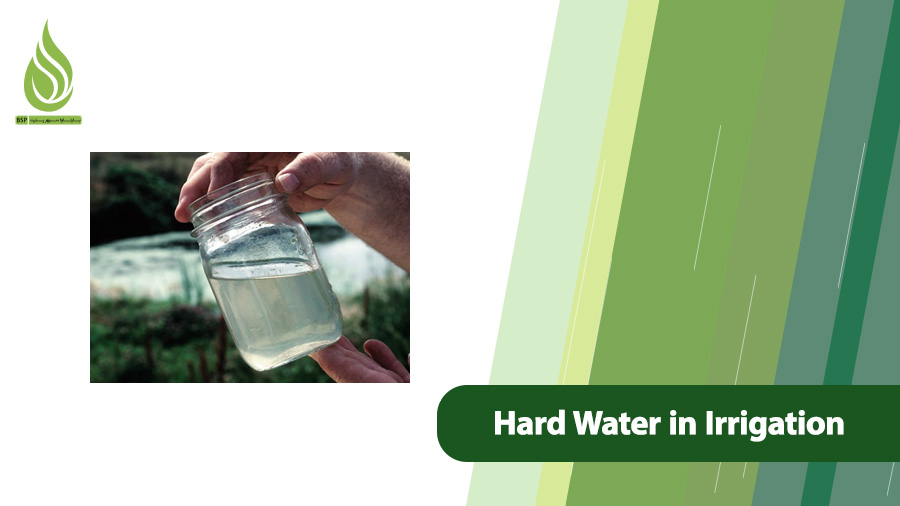
What Happens If the Agricultural Irrigation Water Is Hard?
Hard water in irrigation is a common challenge for farmers worldwide, particularly in arid and semi-arid regions where groundwater sources often contain high levels of dissolved minerals. Hard water is defined as water with elevated concentrations of calcium (Ca²⁺) and magnesium (Mg²⁺) ions, typically exceeding 150 mg/L (or parts per million) of calcium carbonate equivalent. While these minerals are essential for plant growth in small amounts, excessive levels can lead to significant issues in soil health, plant nutrition, and irrigation systems.
This guide explores the causes and effects of hard irrigation water on soil and crops, drawing from global agricultural research, including guidelines from the Food and Agriculture Organization (FAO). We’ll also discuss practical management strategies to mitigate these impacts, ensuring sustainable farming practices. By understanding and addressing hard water challenges, farmers can maintain soil productivity, improve crop yields, and reduce long-term costs.
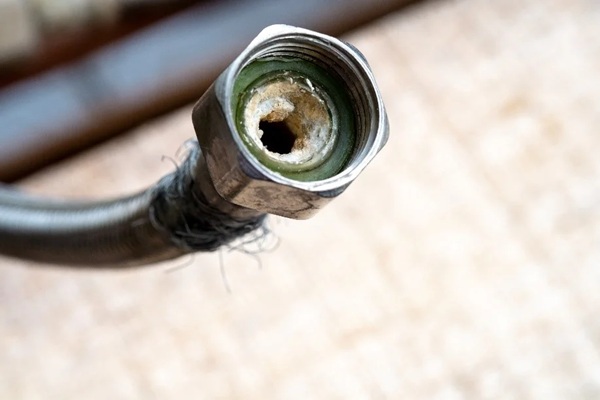
Hard water scale buildup on drip irrigation emitters is a visible sign of mineral deposition, reducing water flow efficiency and increasing maintenance needs.
Understanding Hardness in Irrigation Water
Hardness in water refers to the concentration of dissolved calcium and magnesium ions, which originate from geological sources as water percolates through soil and rock layers rich in limestone, dolomite, or gypsum. According to FAO guidelines, water hardness is classified based on potential restrictions for irrigation use, focusing on salinity, infiltration rates, and specific ion toxicity.
Hard water forms naturally when rainwater or surface water absorbs minerals while flowing toward aquifers. In regions relying on deep wells, hardness levels are often higher due to prolonged contact with mineral-rich strata. Globally, hard water issues are prevalent in areas like the Middle East, parts of India, the western United States, and Australia, where irrigation expansion has coincided with water-stressed zones. Recent FAO data from 2025 highlights that renewable water availability per person has declined, exacerbating reliance on harder groundwater sources.
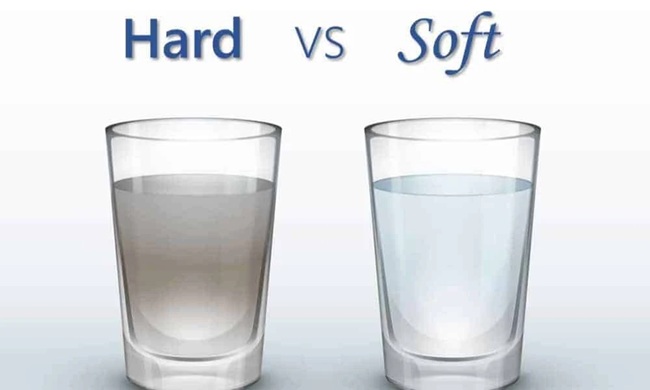
Hardness is divided into two types:
- Temporary Hardness: Primarily from calcium and magnesium bicarbonates, which can be partially removed by boiling or chemical treatments.
- Permanent Hardness: Caused by sulfates and chlorides of calcium and magnesium, which are more stable and harder to treat.
In many agricultural regions, including parts of the U.S. Midwest and Asia, groundwater hardness exceeds 300 mg/L, leading to gradual soil degradation if unmanaged.
Is Hard Water Dangerous for Agriculture?
Moderate hardness is not inherently harmful and can even supply beneficial calcium and magnesium to plants. However, excessive hardness poses risks over time. For human consumption, high hardness can contribute to health issues like kidney stones, but in agriculture, the focus is on soil and crop impacts.
Prolonged use of very hard water increases salinity and alkalinity, reducing nutrient availability and crop performance. Studies from university extensions, such as those from Penn State and the University of Minnesota, show that hardness above certain thresholds correlates with decreased yields in sensitive crops like fruits and vegetables.
The severity depends on hardness degree, irrigation frequency, soil type, and drainage. In clay-heavy soils, effects are amplified due to poor infiltration, while sandy soils may leach minerals faster but still accumulate issues.
Iron chlorosis, characterized by yellowing leaves with green veins, is a common symptom in plants irrigated with hard water, due to reduced iron uptake in high-pH soils.
Impacts of Hard Water on Agricultural Soil
Continuous irrigation with hard water alters soil chemistry and physics, often irreversibly without intervention. Key effects include:
- Salt Accumulation: Minerals build up as water evaporates or is transpired by plants, increasing electrical conductivity (EC) and salinity. FAO warns that high EC restricts water uptake by roots.
- Reduced Soil Aeration: Calcium and magnesium form dense aggregates in heavy soils, limiting oxygen and water penetration, stressing roots.
- Rising Soil pH: Bicarbonates raise alkalinity, pushing pH above 8.0, locking up micronutrients like iron, zinc, and manganese.
- Nutrient Imbalances: High calcium competes with potassium, magnesium, and micronutrients, causing deficiencies.
- Increased Fertilizer Needs: Precipitated nutrients reduce efficiency, forcing higher applications and costs.
- Plant Symptoms: Chlorosis, stunted growth, and reduced yields are common.
- Irrigation System Damage: Scale clogs pipes, filters, and emitters, lowering efficiency.
Global studies indicate that in water-stressed areas, hard water contributes to soil degradation on millions of hectares.
Global Perspectives on Hard Water in Irrigation
Hard water challenges are not limited to one region. In the United States, the Midwest and California face high bicarbonate levels, leading to iron chlorosis in crops like soybeans and corn. In India and Pakistan, groundwater hardness exacerbates salinity in irrigated fields. FAO’s 2025 AQUASTAT report notes increasing pressure on freshwater, with agriculture accounting for 72% of withdrawals, often from hard sources.
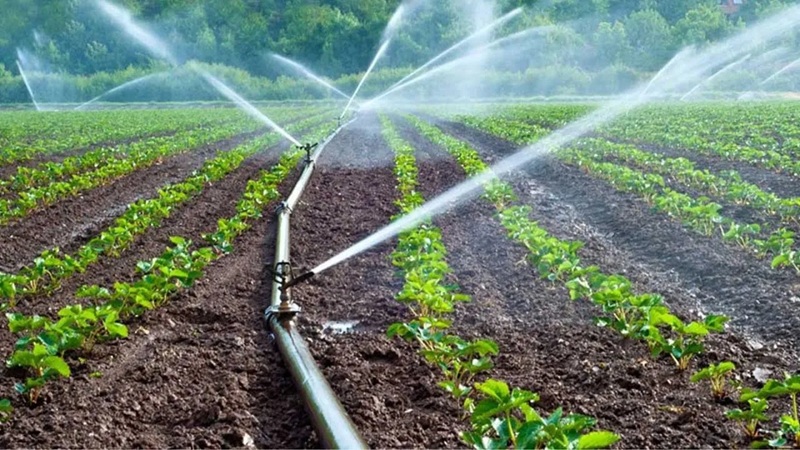
Climate change and over-extraction worsen hardness as aquifers deepen. Sustainable management is critical for food security.
What Can Farmers Do If Irrigation Water Is Hard?
Effective management starts with testing and tailored strategies.
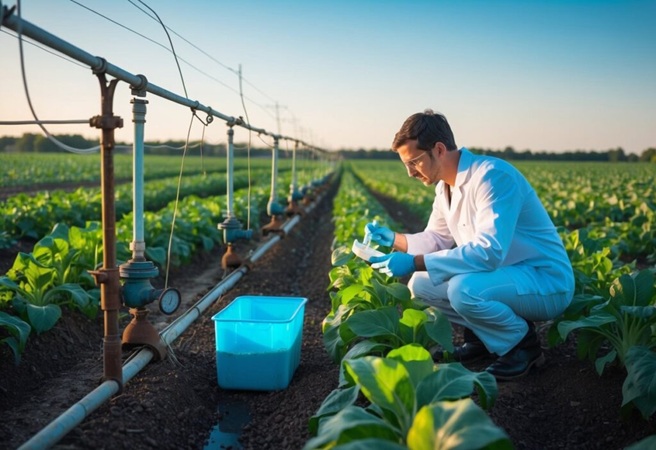
1. Test Your Irrigation Water and Soil
The first step is comprehensive analysis. Test for total hardness, EC, pH, bicarbonates, sodium adsorption ratio (SAR), and ions like calcium, magnesium, and sodium. University extensions recommend annual testing.
Soil tests reveal pH changes and nutrient status. Use FAO guidelines for interpretation:
- No restriction: Hardness < 175 mg/L
- Slight to moderate: 175–500 mg/L
- Severe: >500 mg/L
2. Amend Soil Structure
Incorporate organic matter like compost or manure to improve aeration and buffer effects. Adding compost enhances soil structure and microbial activity, countering compaction from hard water minerals. Gypsum (calcium sulfate) displaces sodium in sodic soils but is less effective for general hardness.
3. Use Chemical Amendments
Acidifying agents neutralize bicarbonates. Sulfuric acid or ammonium-based fertilizers lower pH effectively.
Ammonium Sulfate as a Key Solution
Ammonium sulfate (21-0-0-24S) is an excellent fertilizer for hard water scenarios. It provides nitrogen and sulfur while acidifying soil through nitrification, releasing hydrogen ions to lower pH.
Benefits in alkaline/hard water conditions:
- Improves micronutrient availability (iron, zinc).
- Supplies sulfur for protein synthesis.
- Reduces bicarbonate effects.
- Enhances overall plant vigor.
Ammonium sulfate granules are easy to apply and provide dual nutrition with soil-acidifying properties. Apply based on soil tests, often split into multiple doses. It’s particularly useful for crops like wheat, corn, onions, and canola.
4. Advanced Water Treatment
Filtration removes particulates, but for hardness reduction, consider reverse osmosis (for small scales) or ion-exchange softeners (avoid sodium-based for soil). Innovative systems like ozone treatment prevent scale without chemicals.
5. Optimize Irrigation Practices
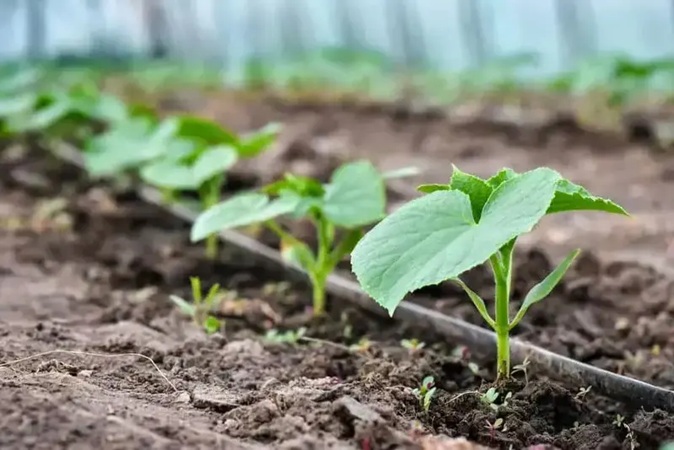
Use drip irrigation for efficiency, but maintain with acid flushes. Frequent, lighter irrigations prevent deep salt accumulation. Leach soils periodically if drainage allows.
6. Adjust Fertilization Strategies
In hard water, use chelated micronutrients (e.g., Fe-EDTA) resistant to precipitation. Foliar sprays bypass soil issues. Time fertigation carefully. Split applications improve uptake.
Case Studies and Best Practices
In California, farmers use ammonium sulfate to combat alkalinity in vineyards. Midwest corn growers report yield boosts with sulfur-inclusive fertilizers. International examples from India show gypsum and organic amendments reclaiming hard water-affected lands.
Conclusion: Toward Sustainable Management
Hard irrigation water poses ongoing challenges, but with proactive testing, amendments like ammonium sulfate, and efficient practices, farmers can protect soil and maximize yields. Ammonium sulfate stands out as a versatile, cost-effective tool for providing essential nutrients while correcting pH imbalances in hard water systems.
For high-quality ammonium sulfate fertilizer to support your crops, explore reliable sources tailored to agricultural needs. Sustainable water management ensures long-term productivity amid global water stresses.