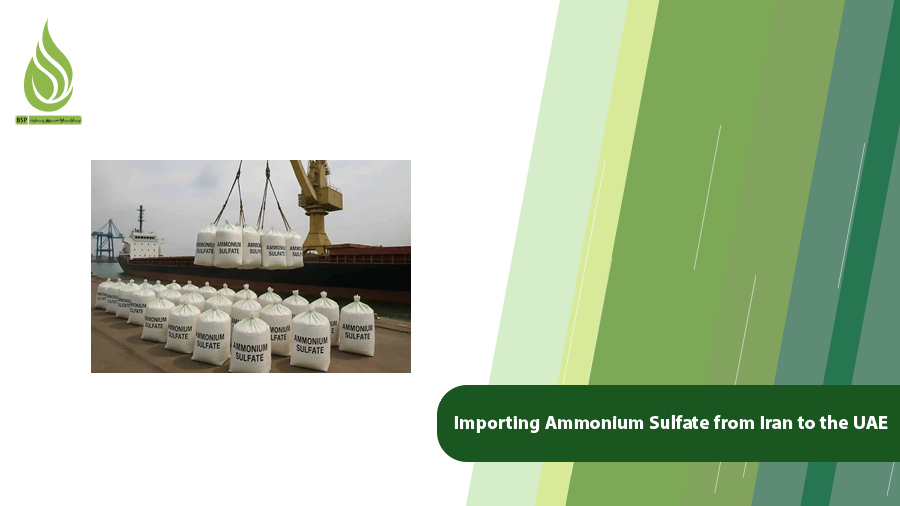
Importing Ammonium Sulfate from Iran to the UAE and Dubai
In modern farming, it is very difficult to increase crop production without using mineral fertilizers. Ammonium sulfate is one of the most important and common fertilizers used. The United Arab Emirates imports a large amount of its agricultural mineral fertilizers from Iran, which creates a strong business opportunity for traders. Importing ammonium sulfate to the UAE and Dubai helps local farms and also allows for profitable re-export to nearby markets.
Trade Dynamics of Ammonium Sulfate Between Iran and the UAE
Farming in the United Arab Emirates faces big challenges, including poor soil, extreme heat, and very little farmable land. To solve these problems, the UAE has invested heavily in modern greenhouses, hydroponics, and smart farming in recent years. These advanced methods require high-quality, specialized fertilizers, which are mostly imported. This has made the UAE a major center for buying ammonium sulfate in the Middle East.
Ammonium sulfate is a common nitrogen fertilizer that helps plants grow, keeps nitrogen in the soil longer, and increases crop yields. It works well in both greenhouses and traditional farms. Some of the ammonium sulfate brought into the UAE is also sent to nearby markets, including Oman, Saudi Arabia, several African countries, and parts of Central Asia.
While mainly used in farming, ammonium sulfate also serves other purposes, such as in livestock feed, metal finishing, and medicine. Some imports are specifically meant for these different industries.
Iran is a major producer of chemical fertilizers and provides a steady supply to Dubai. With access to low-cost materials and many factories, Iran is one of Dubai’s closest and most affordable suppliers. Being nearby also keeps shipping costs down and speeds up deliveries, making this an important trade connection.
The UAE imports fertilizers to improve its food supply, make agriculture more efficient, support modern farms, and allow for re-export. Recent analysis shows the Middle East market for ammonium sulfate is expected to grow about 5.8% each year from 2025 to 2030, thanks to higher demand from farming and new investments. In 2025, trade between Iran and the UAE, not including oil, totaled $27 billion, with fertilizers as part of this exchange. This shows strong economic connections and good opportunities for traders in the ammonium sulfate business.
To give some context, Iran’s own ammonium sulfate market is projected to be worth about $11 million by 2030, growing at 5.5% per year. The UAE’s role as a central re-export hub increases the value of these imports, helping businesses reach a wider regional market.
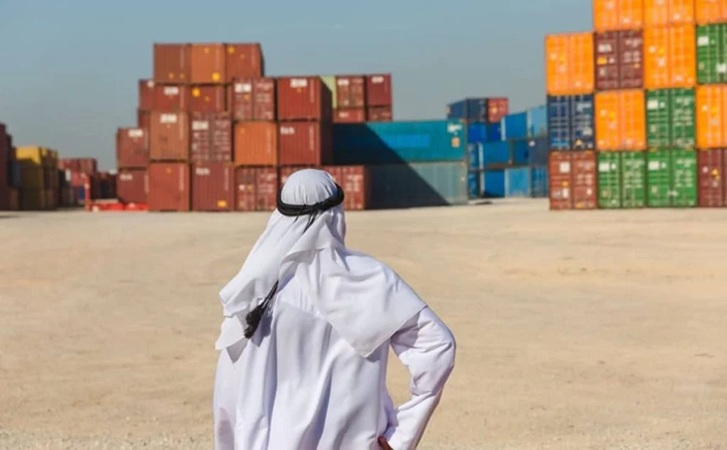
Introducing Ammonium Sulfate from Iran
Iranian ammonium sulfate is well-known in the region for its high quality and dependable results in farming. Several companies in Iran produce this fertilizer, with some used locally and the rest shipped abroad. Major importers of Iranian ammonium sulfate include the UAE, Turkey, Iraq, India, and Brazil. We suggest you also take a look at our guide to importing ammonium sulfate to Turkey.
Technical specifications of Iranian ammonium sulfate typically include:
- Purity and quality:
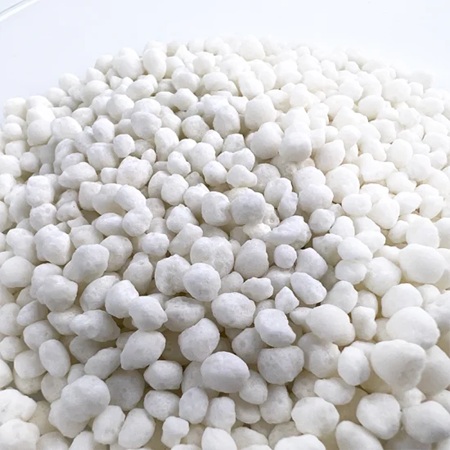
21%nitrogen and24%sulfur - Product forms: Available in granular, crystalline, and powder varieties (granular is the most popular for imports to Dubai due to its ease of handling and application)
- Packaging: Standard
25 kgand50 kgbags - Certifications and tests: Chemical analysis, certificate of origin, and relevant quality standards
The granular type is especially popular for imports to Dubai because it doesn’t clump, spreads uniformly, and breaks down slowly in the soil, which provides long-lasting nutrients. Iranian manufacturers follow international standards, guaranteeing that the product meets global expectations for purity and effectiveness. We suggest you also take a look at our guide to granular ammonium sulfate characteristics.
To explain its makeup, ammonium sulfate is a mineral salt that supplies two key nutrients: nitrogen, which plants need to grow, and sulfur, which supports enzyme activity and green leaves. In dry regions, which often lack sulfur, this fertilizer is crucial for correcting this shortage and increasing harvests. Trusted producers, such as Barsava Sepehr Part, make products that meet recognized international quality standards.
For farmers using hydroponic systems in the UAE, the crystalline form allows for accurate mixing into nutrient solutions, while the powder form works well for spraying onto leaves. This flexibility makes Iranian ammonium sulfate a reliable option for many different farming needs.
Benefits and Uses of Ammonium Sulfate Fertilizer in Agriculture
To give a clearer understanding, here’s a closer look at why ammonium sulfate is so important in farming today. This fertilizer supplies nitrogen and sulfur—two nutrients plants need to stay healthy. Nitrogen helps plants grow strong and produce more, while sulfur is needed to create amino acids, vitamins, and enzymes.
One important benefit is its ability to make alkaline soils more acidic, like those often found in the Middle East. By lowering the soil’s pH, it helps plants absorb more nutrients, especially iron and phosphorus, which are less available in high-pH soil. This is particularly useful for crops such as berries, potatoes, and legumes, which grow better in somewhat acidic soil.
In greenhouse and hydroponic systems, which are common in the UAE, ammonium sulfate helps plants green up quickly without the danger of overfeeding. It does not evaporate into the air as easily as other nitrogen fertilizers, which means less waste and a smaller environmental effect. Research also indicates it can help plants better handle dry conditions by encouraging stronger roots and helping the soil hold more water.
Beyond its basic uses, ammonium sulfate corrects sulfur shortages in plants, which often show up as yellow leaves or poor growth. It is also used as a protein supplement in animal feed and is important in industrial settings for water treatment and flame retardants. In sustainable agriculture, it helps reduce greenhouse gas emissions compared to other fertilizers like urea.
Advantages of Importing Ammonium Sulfate from Iran
Importing ammonium sulfate from Iran offers several compelling benefits:
- Competitive Pricing: Low production costs in Iran translate to affordable prices for UAE importers, making it a cost-effective option amid fluctuating global markets.
- Suitable Quality for Agricultural Use: Iranian products boast appropriate purity levels for farming and other applications. Premium brands even exceed basic standards.
- Stable and Continuous Supply: Iranian manufacturers can handle long-term orders without interruptions, even during peak seasons.
- Short Transit Times: Proximity reduces shipping durations, cutting costs and preserving product freshness.
- Direct Factory Purchases: Eliminate middlemen to save on extras.
- Strong Bilateral Trade Relations: Long-standing ties between Iran and the UAE simplify processes, with flexible customs rules fostering international business.
- Supply Reliability: High production capacity ensures availability year-round.
These advantages are especially important in 2026, as prices for ammonium sulfate in the Middle East change due to shifts in supply and energy costs. For traders based in the UAE, this can mean improved profit margins and quicker transactions.

Step-by-Step Process for Importing Ammonium Sulfate from Iran
Navigating imports requires careful planning. Here’s a detailed breakdown:
- Research Reputable Iranian Producers: Investigate manufacturers’ track records, request samples for quality checks, and verify certifications. Focus on those with export experience to the Middle East.
- Compare Product Specs: Evaluate compositions, pricing, and forms across suppliers to find the best fit.
- Place Your Order: Contact the chosen producer to specify requirements.
- Negotiate and Sign Contracts: Agree on price, quantity, payment terms, delivery timelines, and transport. Formalize everything in a legal contract.
- Handle Payments: Opt for secure methods like letters of credit or bank transfers, considering any international restrictions.
- Await Shipment from Iran: Monitor production and loading.
- Prepare Clearance Documents: Gather import permits, commercial invoices, bills of lading, certificates of origin, product analyses, and clearance fees. In the UAE, fertilizers must be registered with the Ministry of Climate Change and Environment (MOCCAE). Import approvals are valid for six months, with fees for permits and sample analysis.
- Clear Customs in the UAE: Submit docs and coordinate with a licensed clearing agent.
For fertilizers that are restricted, you will also need extra approval from the Ministry of Interior. To make the process smoother, register your products with MOCCAE and provide the required lab certificates and safety data sheets. This helps ensure you meet all regulations and prevents delays.
Purchasing Ammonium Sulfate from Barsava Sepehr Part Company
Iranian ammonium sulfate shines for its quality and value, and among producers, Barsava Sepehr Part stands out as a trusted supplier. Barno brand has garnered attention for standout features:
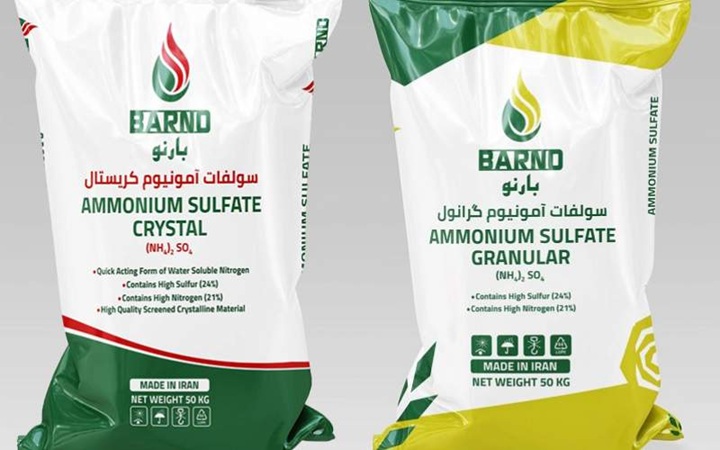
- Variety in Forms: Granular, crystalline, and powder options suit various application methods in farms and greenhouses.
- Standard Chemical Makeup:
21%nitrogen and24%sulfur, compliant withISO 17025andASTM D3590. - Free of Contaminants: Rigorous quality controls eliminate heavy metals and impurities.
- Cost Efficiency: Lower prices than European equivalents without sacrificing quality.
- Durable Packaging: Moisture-resistant
25 kgand50 kgbags maintain integrity during transit and storage.
Barsava Sepehr emphasizes soil pH correction, ideal for Iran’s and the UAE’s alkaline terrains. Their products enhance nutrient assimilation, making them a smart choice for UAE importers.

Transportation Options
Shipping between Iran and the UAE primarily occurs via sea or air. Sea freight suits bulk volumes, offering lower costs. Key ports include Bandar Abbas and Bushehr in Iran, and Jebel Ali in the UAE.
Air freight provides speed for urgent needs but at higher expense. International airports in both countries facilitate this. For chemicals, ensure compliance with hazardous material regs. Options like FCL (Full Container Load) or LCL (Less than Container Load) add flexibility.
In 2026, with potential disruptions from regional tensions, diversifying routes, perhaps via land through intermediaries, can mitigate risks.
Challenges in Importing
While rewarding, this trade isn’t without hurdles. Awareness and preparation are key:
- Complex Customs Regulations: UAE and Iranian laws can shift; stay updated on tariffs, docs, and classifications. Errors lead to delays.
- Quality Compliance: Products must match UAE standards; secure COA, tech sheets, and samples beforehand.
- Currency and Payment Issues: Sanctions complicate transfers; use authorized exchanges or UAE-based accounts.
- Shipping Delays: Port congestion or doc issues can slow things; choose reliable carriers and prepare packaging per standards.
Good solutions include working with experienced agents, doing your research, and using trade agreements.