What is Tree Trunk Protector Paint? Why Do Orchardists Use It?
One of the most effective preventive measures an orchardist or homeowner can take during the cold season is painting the trunks of their trees. Known commercially as “tree whitewash” or “tree trunk protector paint,” this application serves as a vital shield, significantly increasing a tree’s resistance to environmental stressors. However, the benefits of this practice extend far beyond simple aesthetics. In this comprehensive guide, we will explore the numerous advantages of painting tree trunks, explain the science behind it, and detail the conditions and techniques necessary for proper application to ensure the longevity and health of your trees.
What is Tree Trunk Protector Paint?
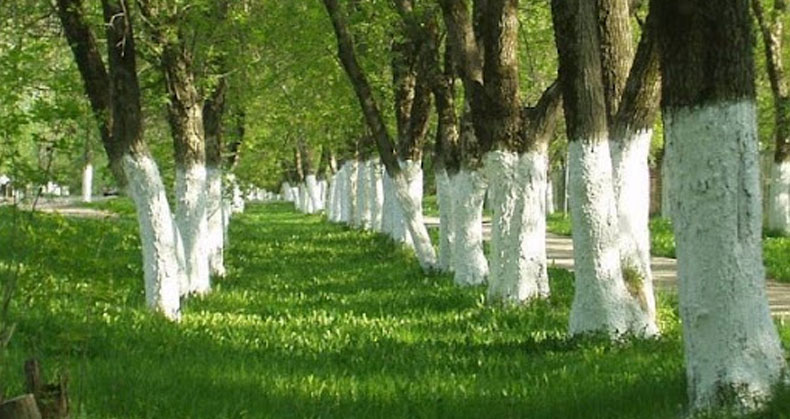
If you have ever traveled through agricultural regions or visited well-maintained orchards, you have likely seen trees with stark white trunks. This practice, often referred to as “whitewashing,” is a fundamental and scientific activity in horticulture designed to care for trees during the winter and early spring. While it may look like a decorative choice, it serves several critical physiological purposes, the most important of which is protecting the tree from extreme temperature fluctuations and solar radiation.
To understand why this is necessary, we must look at the biology of the tree. In winter, nights are often bitterly cold. However, during the day, the direct rays of the sun can significantly warm the bark of the tree; especially on the southwest-facing side. This drastic temperature difference causes the bark tissue to expand during the warm day and contract rapidly during the freezing night. This cycle of expansion and contraction creates stress within the wood, eventually leading to vertical cracks known as “sunscald” or “frost cracks.”
Once the bark cracks, the tree’s first line of defense is breached. These fissures become entry points for freezing air, pathogenic fungi, wood-boring insects, and bacteria. To prevent this, orchardists paint the trunks with a special white color. The white color reflects the sun’s rays rather than absorbing them, keeping the bark temperature more stable and preventing the cracking caused by thermal shock. In essence, the trunk protector paint acts like sunscreen for the tree. This technique is beneficial for almost all types of trees, including fruit-bearing varieties (like apples, peaches, and citrus) and ornamental or non-fruit bearing trees.
The Advantages of Using Tree Trunk Protector Paint
With the onset of the cold season, trees enter dormancy, a state of suspended animation. During this period, the transport of nutrients and water to the canopy slows down or stops entirely. Consequently, the trunk and branches become more vulnerable to environmental insults than at any other time of year. As mentioned, the expansion and contraction of the trunk due to temperature swings can cause severe damage. Painting the trunk offers a robust solution to these challenges. Here are the primary advantages and applications of using trunk protector paint:
1. Prevention of Thermal Stress (Sunscald and Frost Cracks)
The most immediate benefit of whitewashing is the prevention of sunscald. The trunk of the tree acts as a thermal mass. Dark-colored bark absorbs heat, which can stimulate cellular activity prematurely on a sunny winter day. When the sun sets and temperatures plummet, these active cells are killed by the freeze, causing the bark to die and split. The white paint reflects the sunlight, keeping the bark dormant and cool. This prevents the violent expansion and contraction that leads to bark splitting, thereby stopping cold air and pathogens from penetrating the heart of the tree.
2. Protection Against Pests and Fungi
The rough texture and natural fissures (crevices) of a tree trunk provide an ideal sanctuary for various pests, insects, and fungal spores. Many destructive pests, such as borers, moths, and beetles, overwinter or lay their eggs in these cracks to survive the cold. Similarly, fungal spores linger in the bark’s crevices waiting for the warm, moist conditions of spring to germinate. When the cold season ends and the new growth phase begins, these organisms emerge and begin their destructive lifecycle. Applying a protective layer of paint creates a physical barrier. It seals the cracks, making it difficult for wood-boring insects to burrow into the tree and significantly hindering the establishment and spread of fungal diseases.
3. Regulation of Moisture and Dormancy
When a tree enters dormancy, its metabolic needs change. Excess moisture trapped in the bark or entering through cracks can disrupt this delicate state or lead to rot during wet winters. Painting the trunk helps regulate the moisture exchange through the bark. It prevents the bark from becoming waterlogged in rainy winters and ensures the tree can maintain a healthy, deep dormancy without the stress of freeze-thaw cycles caused by trapped water.
4. Keeping Trees Cool in the Spring
As winter transitions into spring, the sun’s intensity increases rapidly. In early spring, the air might still be freezing at night, but the sun is strong. A dark, unpainted trunk can absorb a tremendous amount of heat during the day. This artificial warming can trick the tree into “waking up” too early. If the tree buds out early due to trunk warmth, a subsequent frost can kill the new blossoms or young leaves, devastating the fruit harvest for that year. The white paint reflects this intense spring sun, keeping the trunk cool and ensuring the tree remains dormant until the weather is consistently warm enough for sustainable growth.
5. Prevention of Trunk Rot
Termites, ants, and wood-decaying fungi are major threats to the structural integrity of trees. They thrive in dark, damp, and protected environments. If the bark is damaged or cracking, it provides an entry point for these organisms. Over time, they can hollow out the trunk, causing the tree to rot from the inside out. In severe cases, this can lead to the death of the tree or cause it to become a hazard that falls during a storm. By sealing the trunk and preventing the initial damage caused by weather, the protector paint stops these destructive organisms from gaining a foothold, effectively saving the tree from internal decay.
What Type of Paint Should Be Used?
Selecting the right material is crucial for the health of the tree. Most orchardists and arborists use white paint for this purpose. The choice of white is scientific: white is the most reflective color and effectively repels heat. In contrast, dark colors (black, brown, dark green) absorb heat and solar energy, which can cause the bark to burn or stimulate premature growth, leading to severe damage.
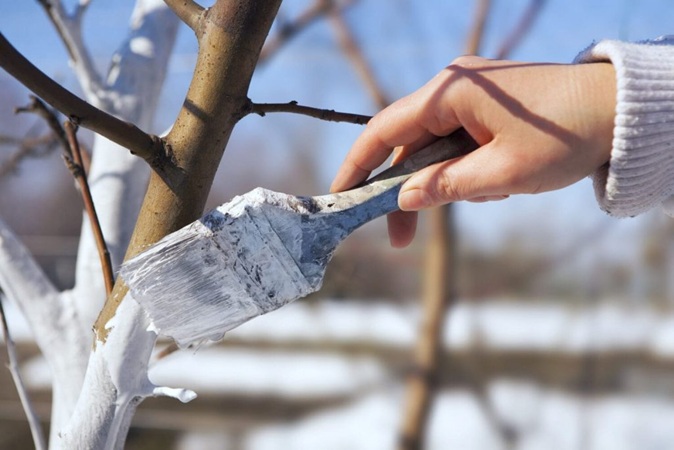
The paint used as a trunk protector must possess specific characteristics to ensure it aids the tree rather than harming it:
- Water-Based and Breathable: The paint must be a water-based (latex or acrylic) interior or exterior grade paint. It should be “semi-plastic” or flexible. Crucially, you must avoid oil-based paints. Oil-based paints seal the trunk too tightly, creating a non-permeable barrier. Trees “breathe” through their bark (a process called respiration), exchanging gases and moisture with the environment. Oil paints essentially suffocate the tree, trapping moisture inside and leading to rot and disease.
- Proper Dilution: To create the ideal whitewash, mix the paint with water. A common ratio is one part white latex paint to one part water (50/50 mix). This dilution ensures the paint is thin enough to allow the bark to breathe but thick enough to provide adequate coverage.
- Eco-Friendly Formulation: Ideally, choose a paint that has the least amount of volatile organic compounds (VOCs) and harmful additives to minimize impact on the surrounding ecosystem.
- Commercial Tree Paints: Many agricultural supply stores sell specialized products known as “tree treatment paint” or “tree trunk guard.” These are formulated specifically for horticulture. They often contain fungicides or insecticides in the mix to provide dual protection. These products are environmentally friendly, breathable, and safe for the tree. If available, these are highly recommended over standard household paint.
- Homemade Options: Traditionally, a mixture of hydrated lime (slaked lime) and water has been used. This creates a white, alkaline coating that reflects sun and deters pests. While effective, modern latex paint is often preferred for its durability and adhesion.
Additives for Enhanced Protection
Depending on the specific challenges in your orchard or garden, you can modify your paint mixture to address specific problems:
- Pesticides: Some farmers add insecticides to the paint mixture to target overwintering pests. This creates a toxic barrier for insects attempting to burrow into the bark.
- Rodent Repellents: If your orchard is plagued by rodents like rabbits, mice, or voles, which often chew on the bark of young trees in winter, you can add a rodent repellent to the paint. This helps prevent girdling, which occurs when animals chew a ring of bark off the trunk, cutting off the nutrient flow and killing the tree.
Best Practices for Application
The method of application is just as important as the type of paint used.
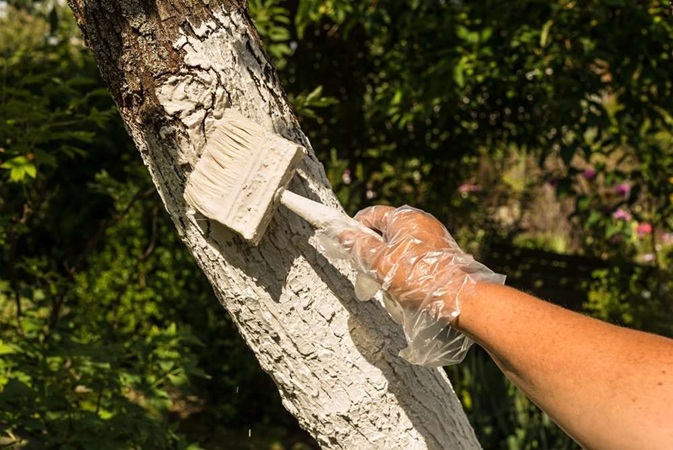
- Tools: The best tool for painting trees is a simple paintbrush. A wide brush allows for even application and ensures you get the paint into the deep crevices of the bark. Spray machines can be used, but they often waste material and may not coat the texture of the bark as effectively as a brush.
- Consistency: The consistency of the paint should be similar to that of whole milk or heavy cream. It should not be so runny that it drips excessively and fails to form a protective layer, nor so thick that it cannot penetrate the bark’s texture.
- Rough Bark: If the tree trunk is very rough or deeply furrowed, you may need to thin the paint slightly more to ensure it reaches into all the crevices. In this case, apply two or three thin layers rather than one thick one. Allow the first layer to dry completely before applying the second to ensure adequate coverage and protection.
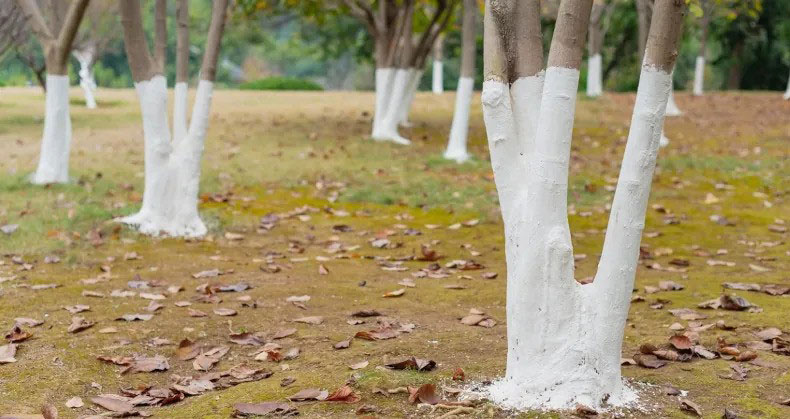
- Coverage Area: Start painting from the base of the trunk (right at the soil line, often called the root collar) and continue upward to a height of about half a meter (approximately 20 to 24 inches). For young trees with thin bark, you may want to paint even higher, up to the first main branches.
The Best Time to Use Trunk Protector Paint
Timing is critical for maximizing the effectiveness of trunk protector paint.
- Late Autumn (The Prime Time): While you can technically paint tree trunks in any season, the optimal time is late autumn, typically in mid-to-late November in the Northern Hemisphere (or May in the Southern Hemisphere). This ensures the paint is fresh and provides maximum protection during the coldest months of the year. Most orchardists consider this an essential part of their autumn horticulture routine.
- Early Spring: Painting in early spring is also beneficial. This application protects the trees from the intense, fluctuating sun of early spring, preventing sunscald before the leaves emerge to shade the trunk.
- Annual Maintenance: Trunk protector paint is not permanent. It weathers, fades, and flakes off over time. Therefore, it is best practice to repaint your trees once a year. If you can only perform the task once a year, prioritize the late autumn application to prepare the trees for winter.
- Weather Conditions: Choose a day for painting when the weather is dry and mild. Avoid painting if rain is forecast within the next 24 to 48 hours, as the rain will wash the paint away before it dries and adheres properly. Always check the local weather forecast before beginning the project. Ideally, the temperature should be above freezing (above 5°C or 40°F) during application so the paint dries correctly.
Step-by-Step Guide: How to Paint Trees
To achieve the best results, follow these steps for painting your trees:
- Preparation: Before you begin, inspect the trunk. Remove any loose bark, moss, or lichens with a stiff brush or scraper. The surface should be relatively clean so the paint can adhere directly to the bark.
- Mixing: Stir your pre-prepared paint mixture thoroughly to ensure an even consistency. If you are adding any additives (like fungicides or repellents), mix them in well at this stage.
- Application: Using a large paintbrush or sprayer, start applying the paint.
- Technique: Begin at the bottom of the trunk, right where the tree meets the soil. Paint upwards, ensuring you cover the root flare (the area where the trunk widens at the base). Continue painting up to a height of about 60 centimeters (roughly 2 feet).
- Coverage: Be meticulous. Ensure every part of the trunk surface is covered, paying special attention to cracks and crevices where pests might hide.
- Layering: If the first coat does not provide sufficient opacity or coverage, wait for it to dry completely. Then, apply a second coat to reach the desired level of protection.
Conclusion
Painting tree trunks is a time-honored horticultural practice that blends simplicity with scientific effectiveness. By acting as a reflective shield, a physical barrier against pests, and a regulator of temperature, trunk protector paint plays an indispensable role in modern orchard management. Whether you are managing a commercial orchard or caring for a few beloved trees in your backyard, this simple task can mean the difference between a thriving, productive tree and one that succumbs to the harsh elements of winter. By choosing the right materials and applying them at the right time, you invest in the long-term health and structural integrity of your trees, ensuring they remain a vibrant part of the landscape for generations to come.