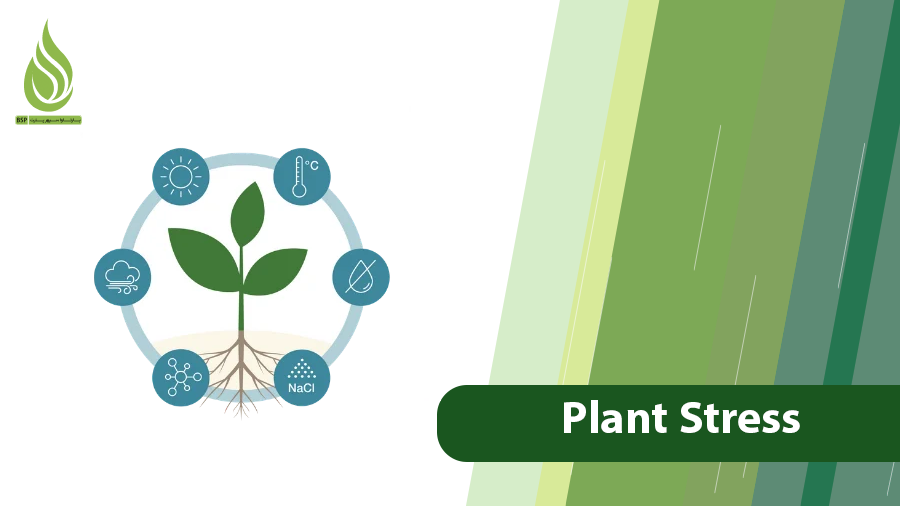
What is Plant Stress & How to Manage It?
In everyday gardening and farming, plant stress, sometimes called strain, happens whenever a plant cannot grow at its best, which leads to lower harvests or poor health. Many things can cause this stress, from extreme heat or cold to pests and diseases. This guide will explain the different kinds of plant stress, what causes them, and offer practical steps to prevent and handle these problems. Whether you are caring for a backyard garden in Central Asia or managing a large orchard, these tips will help your plants stay healthy.
What Does Plant Stress Really Mean?
Imagine a healthy plant is growing well in ideal sunlight, but then it is moved to a dark, shaded area. Its health and growth will naturally decline.
Like people, plants are sensitive to their environment. Changes such as temperature swings, too much or too little sun, or dry conditions can cause stress. If this isn’t identified and managed quickly, it can cause serious problems. A stressed plant may experience:
- Disrupted internal processes.
- Leaves that cannot photosynthesize properly. (Light is crucial for photosynthesis; you can learn more about how this process works in our dedicated guide.)
- Slowed growth.
- A shift in energy from growing to just surviving.
You might see signs like lower yields, dropping leaves, or, in severe cases, the plant dying. While short-term stress can often be reversed, long-term stress can stop growth and drastically reduce harvests.
Recent research adds that plants have internal systems to manage stress. For example, during a drought, certain hormones signal the leaves to temporarily close their pores to save water. This is a survival tactic, but if the stress lasts too long, it can permanently slow the plant’s growth. For farmers in dry regions like Central Asia, where climate change is causing more unpredictable weather, understanding how plants respond to stress is crucial.
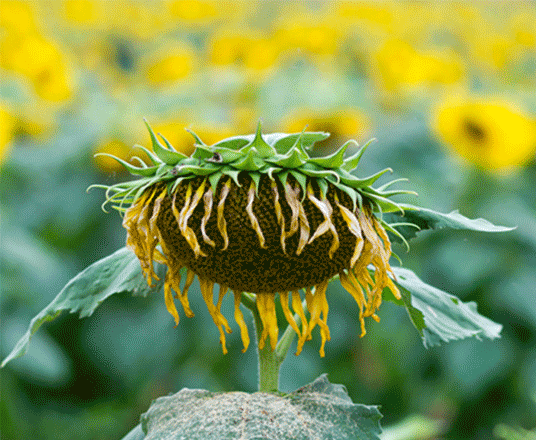
What Causes Stress in Plants?
Plant stresses are divided into two main categories:
- Biotic Stresses: Caused by living things.
- Abiotic Stresses: Caused by environmental conditions.
Biotic Stress (From Living Organisms)
Biotic stress is caused by living organisms such as viruses, bacteria, fungi, pests, and weeds. These invaders damage plant tissues and can kill the plant.
Soil contains many microorganisms. A healthy balance between helpful and harmful ones supports plant health, but an increase in disease-causing organisms, soil pollution, or weak roots can disrupt this balance. These harmful organisms feed on plants, damage roots, reduce photosynthesis, and block nutrient flow; all of which stop normal growth. For instance, insects that eat leaves reduce the plant’s ability to produce energy, which causes stress and slows development. While plants have natural defenses, severe attacks or a lack of nutrients can break down this protection.
To expand on this, living and environmental stresses often combine; for example, a plant weakened by drought becomes an easier target for fungal disease. In Central Asia, where cotton and wheat are major crops, pests like the cotton bollworm increase losses, costing millions each year. Methods like Integrated Pest Management (IPM), which uses natural predators and reduces chemical sprays, have worked well in countries like Uzbekistan.
Abiotic Stress (Environmental Factors)
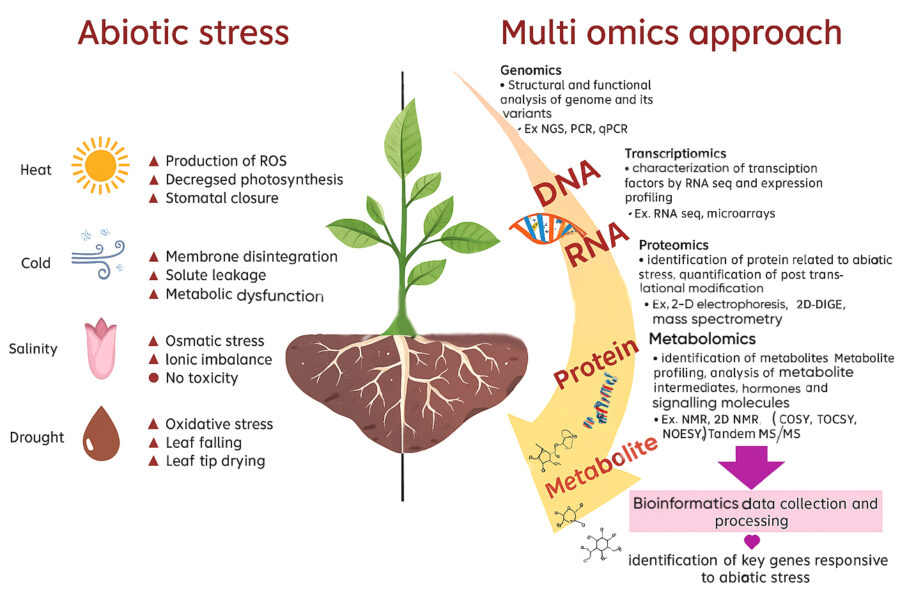
Abiotic stress comes from non-living environmental factors and is a leading cause of poor plant health, stunted growth, and lower yields. The main types include:
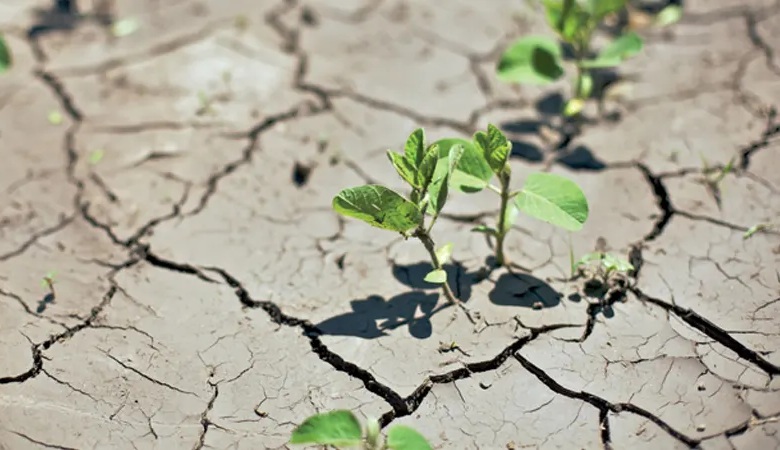
- Drought and Water Shortage: This occurs when plants don’t get enough water to grow and stay healthy. Signs include leaves that wilt, curl, or drop, and overall growth stops. We suggest you take a look at our guide to manage leaf curl.
- Overwatering: Too much water damages root cells, leading to root rot, leaves turning yellow, and poor nutrient absorption.
- Soil and Water Salinity: Common in dry areas, high salt levels in the soil or water interfere with water and nutrient uptake. Look for a white crust on the soil surface, leaf tips turning brown, and smaller plants.
- Heat and Intense Light: High temperatures increase water loss, leading to dehydration and damage to plant tissue. Symptoms include leaves getting scorched, yellowing between the veins, and early leaf drop.
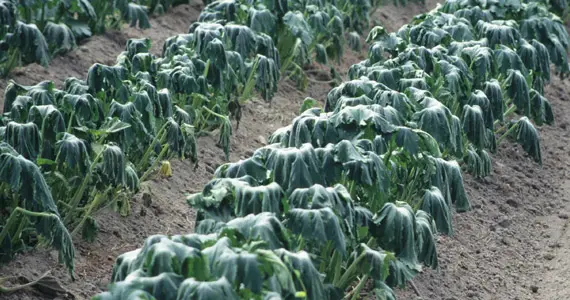
- Cold and Frost: Freezing temperatures can damage plant tissues, especially in late winter or early spring. Watch for leaves and buds turning black, tissues becoming soft, and growth stopping early in the season.
- Nutrient Deficiencies: This happens when the soil doesn’t have enough nutrients or the roots can’t absorb them. Lack of iron or potassium is common, but the specific missing nutrient depends on the soil.
- Physical Damage (Moving, Pruning, or Damaging Roots): Common with potted plants, activities like repotting, heavy pruning, or harming the roots can shock the plant. This causes drooping leaves, stopped growth, and new leaves falling off.
- Strong Winds: Wind dries out leaves quickly, disrupting the plant’s water balance. This can lead to broken branches, dry leaf tips, and rapid dehydration.
- Overuse of Chemicals: Applying too much fertilizer or pesticide, especially during the heat of the day, can harm plants. Signs include leaf burn, stopped growth, and changes in leaf color.
Looking deeper, environmental stresses like high soil salinity impact over 20% of the world’s irrigated farmland. Regions like Central Asia’s Aral Sea basin are severely affected due to salt buildup from irrigation practices. Plants try to cope by producing special compounds to keep their cells from drying out.
In countries like Tajikistan and Kyrgyzstan, where farmland is limited by mountains, problems like extreme heat make things worse. In difficult years, these combined stresses can reduce wheat harvests by as much as 30%.
A Closer Look at How Stresses Interact
It’s important to understand that living and environmental stresses often work together. For example, a plant weakened by heat becomes more vulnerable to diseases. Research from the National Institutes of Health (NIH) shows that plants have ways to manage multiple threats. When faced with heat, they produce protective proteins that can also help defend against insects.
In sustainable farming, natural solutions like beneficial soil bacteria can help plants cope with both types of stress by improving root health and nutrient absorption. For farmers in Central Asia, using these methods can lead to stronger crops despite a changing climate.
How to Prevent Stress in Plants
Prevention is always better than a cure. Here are key ways to protect your plants:
- Water Regularly: Follow a consistent schedule. Drip irrigation is ideal to avoid both drought and overwatering.
- Flush Out Salt: Periodically use deep, heavy watering to wash excess salts away from the root zone.
- Choose Tough Plants: In salty areas, select crop varieties known for their salt tolerance.
- Adjust Soil pH: For alkaline soil, adding sulfur can lower the pH and help plants access nutrients.
- Protect from Weather: Use shade cloths in extreme heat and protective covers or heaters against frost. Water in the early morning or evening, and avoid pruning just before a freeze.
- Provide Balanced Food: Use a fertilizer plan based on a soil test instead of guessing, which prevents nutrient problems.
- Improve Soil Health: Support helpful soil microbes. Avoid excessive tilling and poor watering habits.
- Control Pests and Disease: Check plants often and use environmentally friendly methods to manage problems early.
- Use Mulch: A layer of mulch helps keep soil moisture and temperature stable, suppresses weeds, and reduces fungal issues.
In Central Asia, methods like minimal tilling, crop rotation, and cover crops have reduced plant stress by 20-40% in field tests by conserving precious soil moisture. Tools like satellite monitoring can also help spot signs of stress early for quicker solutions.
Tips for Fast Plant Recovery After Stress
To help a stressed plant recover, first identify the cause, then use specific solutions.
Key Recovery Strategies:
- Water Correctly First: If stress is from drought, heat, or salt, water the plant properly before using fertilizer. This helps the roots recover so they can absorb nutrients again.
- Use Targeted Nutrition: After watering, apply specific supplements:
- Amino Acids and Calcium: Help repair plant tissue and improve resistance to drought, heat, salt, and cold.
- Micronutrient Mixes: Provide iron, zinc, and other trace elements to fix yellow leaves and restart growth.
- High-Potassium Fertilizer: Strengthens plant cells against temperature swings and reduces fruit or flower drop.
- Vitamins (like E and C): Protect plant cells from damage caused by harsh conditions and strengthen defenses.
- Natural Growth Hormones: Can help regrow roots, keep leaves healthy, and encourage new growth after stress.
- Adjust the Environment: Ensure the plant has the right light and humidity, and protect it from drafts.
- Manage Pests and Disease: Check the plant and soil carefully, and use safe treatments if needed.
- Provide Direct Care: Remove dead leaves or stems, repot if the roots are too crowded, and loosen the soil to prevent sogginess.
Extra Recovery Tips: For a very dry potted plant, soak the entire pot in water, then let it drain completely. After a heatwave, water deeply in the morning and trim lightly to help the plant focus its energy. Organic mulch can also help by keeping the roots cooler.
The Role of Ammonium Sulfate in Stress Management
While not always called an “anti-stress” product, ammonium sulfate fertilizer is very helpful in tough growing conditions, especially in the alkaline soils common in Central Asia. It supplies nitrogen for fast recovery and green growth, and sulfur to gently lower soil pH, which helps plants absorb other nutrients. The sulfur also supports chlorophyll production, improving photosynthesis when plants are stressed, and helps plants handle drought and salty soil by encouraging stronger roots.
For crops like onions, garlic, and leeks, which are important in the region, ammonium sulfate provides the right balance of nitrogen and sulfur for stronger plants. Blended products, such as mixes with urea, release nutrients steadily, which prevents them from washing away during rainy periods.
To use it safely, apply it once the plant has recovered from stress to avoid damage. It gently lowers soil pH, which also helps manage salt problems. In field tests, its use reduced crop losses in high-pH soil by helping plants take in nutrients more effectively.
Case Studies: Real-World Recovery Success
Here are real-world examples of how to manage plant stress:
- In Oregon after a major
2021heatwave, gardeners helped plants recover by watering early in the morning and waiting to fertilize until the plants showed signs of new growth. - In Arizona’s desert climate, using mulch and applying ammonium sulfate helped tomatoes better withstand intense heat.
- Farmers in Kazakhstan, Central Asia, combined helpful soil bacteria with sulfur-based fertilizers to reduce drought damage to wheat by half.
These cases show that local solutions often work best.
When Should You Use Anti-Stress Fertilizers?
Use these special fertilizers when plants are under sudden or severe stress they cannot overcome alone, or during sensitive growth phases. Watch for early warning signs like wilting, stalled growth, yellowing leaves, or dropping buds and fruit. While very helpful, overuse can lead to plant dependency, harm the soil, or create nutrient imbalances; so correct timing and measured doses are key, and expert advice is recommended if uncertain. Modern 2025 approaches, such as bioirrigation and precision farming apps, allow for fine-tuned applications in dry regions. For growers in Central Asia, incorporating ammonium sulfate into their fertilizer plans is an effective strategy for managing common environmental stresses.
By identifying and addressing stress early, you can help your plants recover quickly and support their health for the future. This guide gives you the knowledge to turn these challenges into opportunities for stronger, healthier growth.